Pick by goal
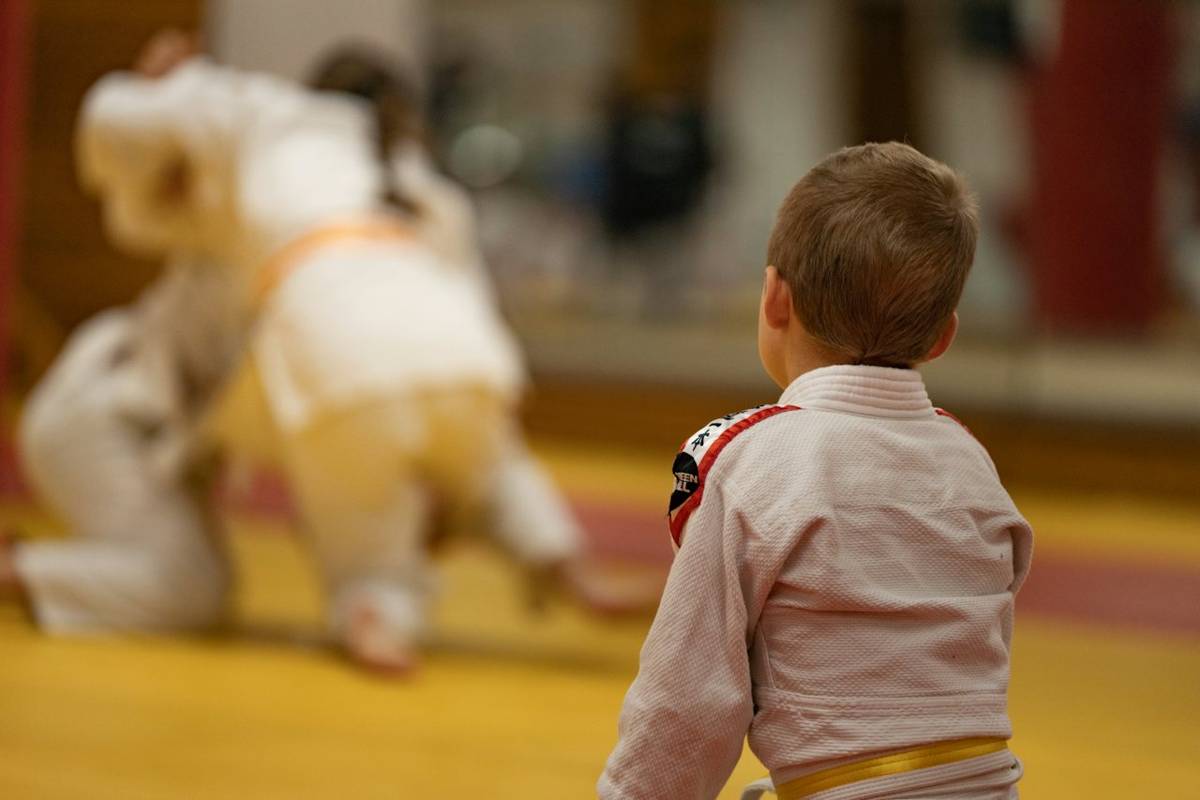
- Self-defenseBJJControl and escapes without punching.
- Discipline and focusKarateForms, etiquette and patient progress.
- Energy and goalsTaekwondoHigh kicks and frequent belts.
- Best valueJudo or wrestlingCommunity clubs often cost far less.
- Athletic, competitive kidWrestlingBuilds strength and leads to school teams.
- Movement and performanceKung fu or wushuFlowing forms and acrobatics.
On this page
- Start with why you want your child to train
- The main styles at a glance
- Taekwondo: kicks, belts and a clear ladder of goals
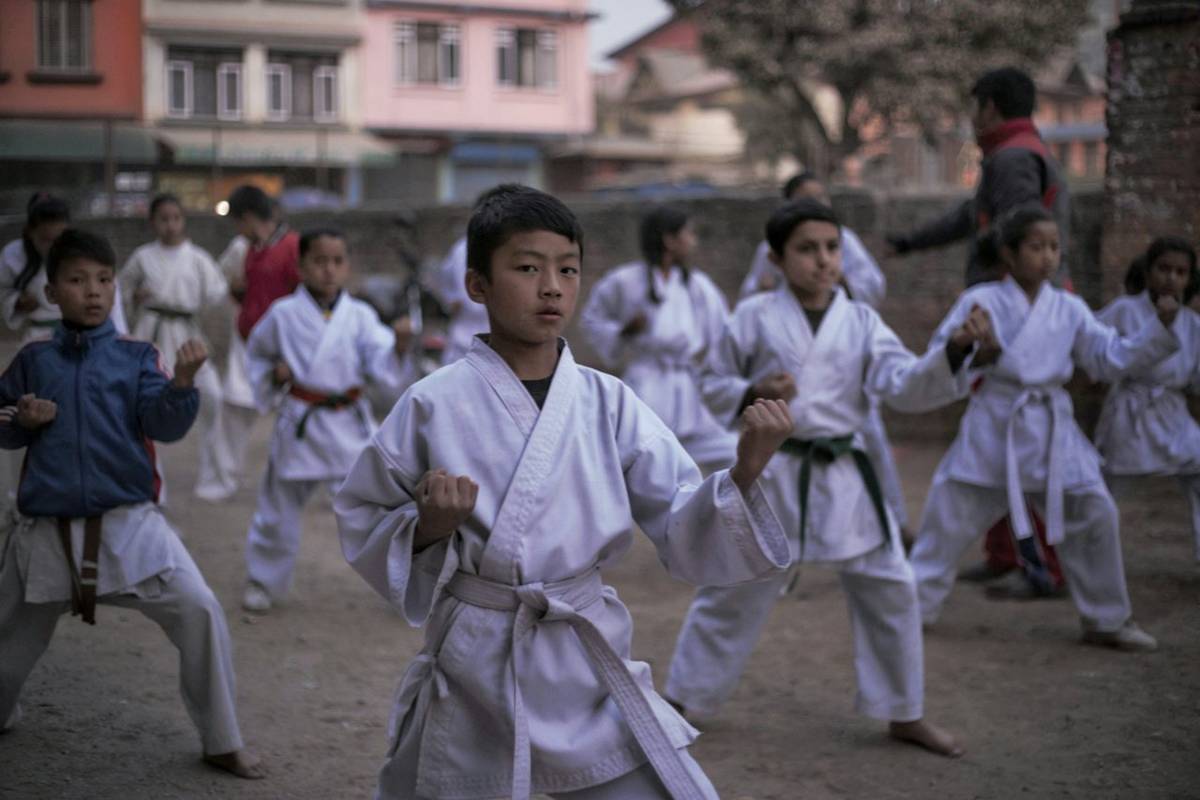
- Karate: tradition, discipline and the hands as well as the feet
- Brazilian Jiu-Jitsu: the “chess on the mat” option
- Judo: throws, falls and outstanding value
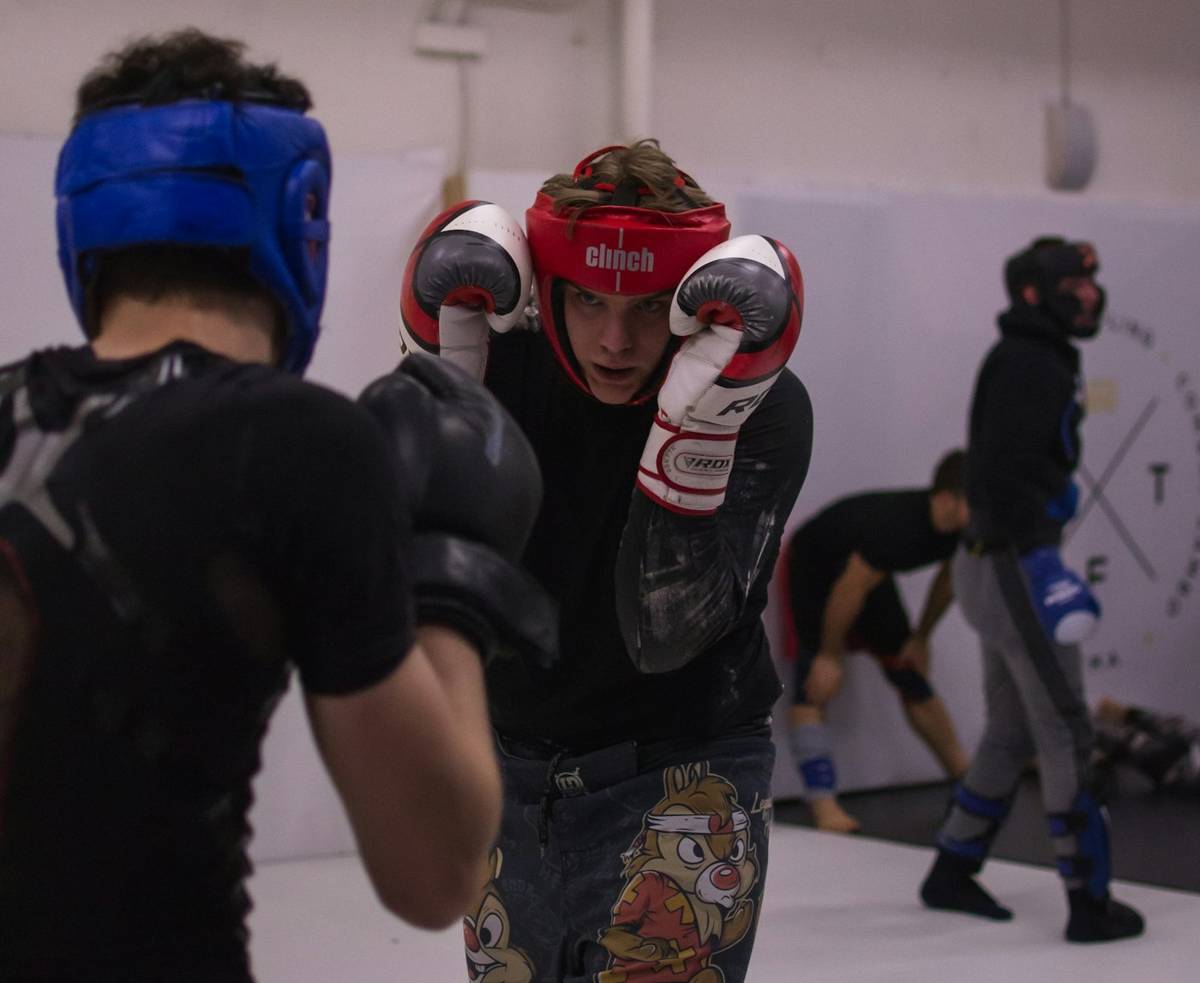
- Kung fu, wrestling and kickboxing
- Safety: what actually matters
- Cost
- So which one should you choose?
Every parent who types “best martial art for kids” into a search bar gets the same answer from every school: theirs. A jiu-jitsu academy will tell you grappling is the only real self-defense, a Taekwondo school will point to the Olympics, and a karate dojo will talk about discipline and tradition. None of them are lying, exactly. Each style really does have strengths. But each one also suits a different kind of child, a different family budget and a different reason for signing up in the first place.
This guide compares the styles American children most often take, without selling any of them. It starts with the one question that matters most, which is why you want your child to train, and then walks through what each style actually teaches, how it feels to a six-year-old, what it costs and what to watch for.
Not sure where to begin? Our six-question quiz suggests the three styles that best fit your child, with the reasons.
Start with why you want your child to train
Parents usually have one of four goals, even if they would not put it this way. Some want self-defense, often because a child is being picked on. Some want discipline and focus, a structured activity where a child learns to listen, wait their turn and finish what they start. Some want fitness and confidence, especially for a child who does not enjoy team sports. And some have a child who simply saw a movie or a friend’s belt test and is desperate to try.
These goals point to different styles. If self-defense is the main reason, the grappling arts deserve a hard look, because most real conflicts between children involve grabbing, pushing and wrestling to the ground rather than kicks. If structure and goals matter most, the belt-heavy striking arts such as Taekwondo and karate are built around exactly that. If fitness and competition matter most, wrestling and judo offer some of the hardest physical training for the money. Keep your own reason in mind as you read the descriptions below.
The main styles at a glance
| Style | What it is | Striking or grappling | Usual starting age | Olympic sport |
|---|---|---|---|---|
| Taekwondo | Korean art known for fast, high kicks | Striking, mostly kicks | About 4 to 6 | Yes, since 2000 |
| Karate | Japanese and Okinawan art of punches, kicks and set forms | Striking, hands and feet | About 4 to 6 | Only at Tokyo 2020 |
| Brazilian Jiu-Jitsu | Ground grappling: pins, escapes and holds | Grappling | About 4 to 6 | No |
| Judo | Japanese art of throws and pins | Grappling, standing throws | About 5 to 7 | Yes, since 1964 |
| Kung fu and wushu | Chinese arts with flowing forms and acrobatics | Mostly striking and forms | About 5 to 7 | No |
| Wrestling | Takedowns and pins, often a school sport | Grappling | Clubs from about 5 | Yes, freestyle and Greco-Roman |
| Muay Thai and kickboxing | Punches, kicks, knees and elbows | Striking | Usually 8 and up | No |
The table is a starting point, not a verdict. Starting ages in particular vary from school to school, and many schools run a “little ninjas” or “tiny tigers” class for four- and five-year-olds that is mostly games, balance and listening, whatever the style on the sign.
Taekwondo: kicks, belts and a clear ladder of goals
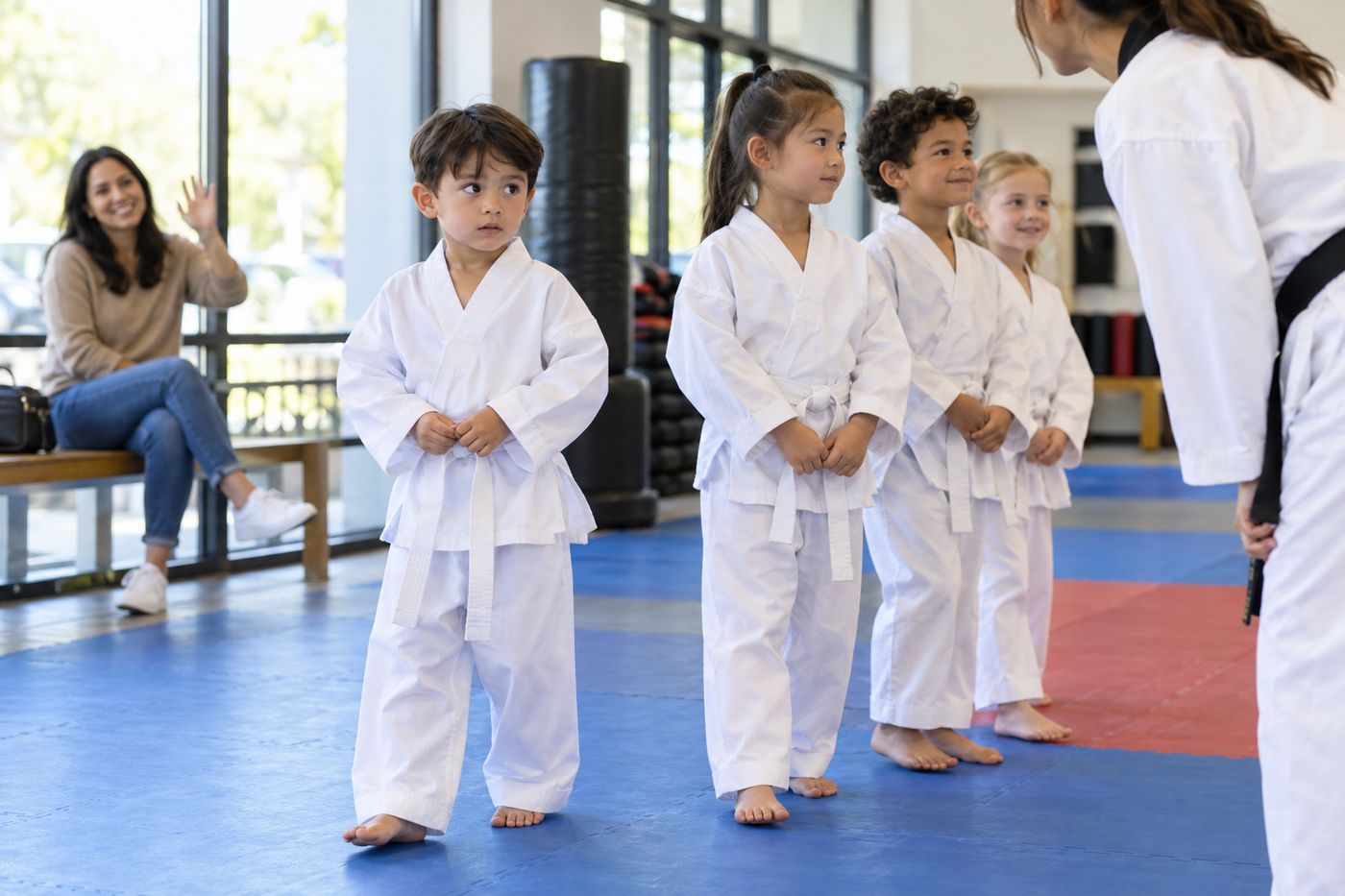
Taekwondo is the most common children’s martial art in the United States. It is famous for kicking, and children love that, because high and spinning kicks look spectacular and are fun to practise. Classes usually mix basic techniques, forms (set routines called poomsae), kicking drills and, from a certain belt, sport sparring in padded vests and helmets.
Its biggest strength for children is structure. There is a new belt every few months, each with clear requirements, and the regular tests give kids a steady sense of progress. That suits children who like goals and visible rewards. The weakness, which critics point out often, is that sport sparring rewards fast kicks to a padded vest, which is a long way from a playground scuffle. Quality also varies enormously between schools. Our Taekwondo section explains the belts, forms and tests in depth.
Karate: tradition, discipline and the hands as well as the feet
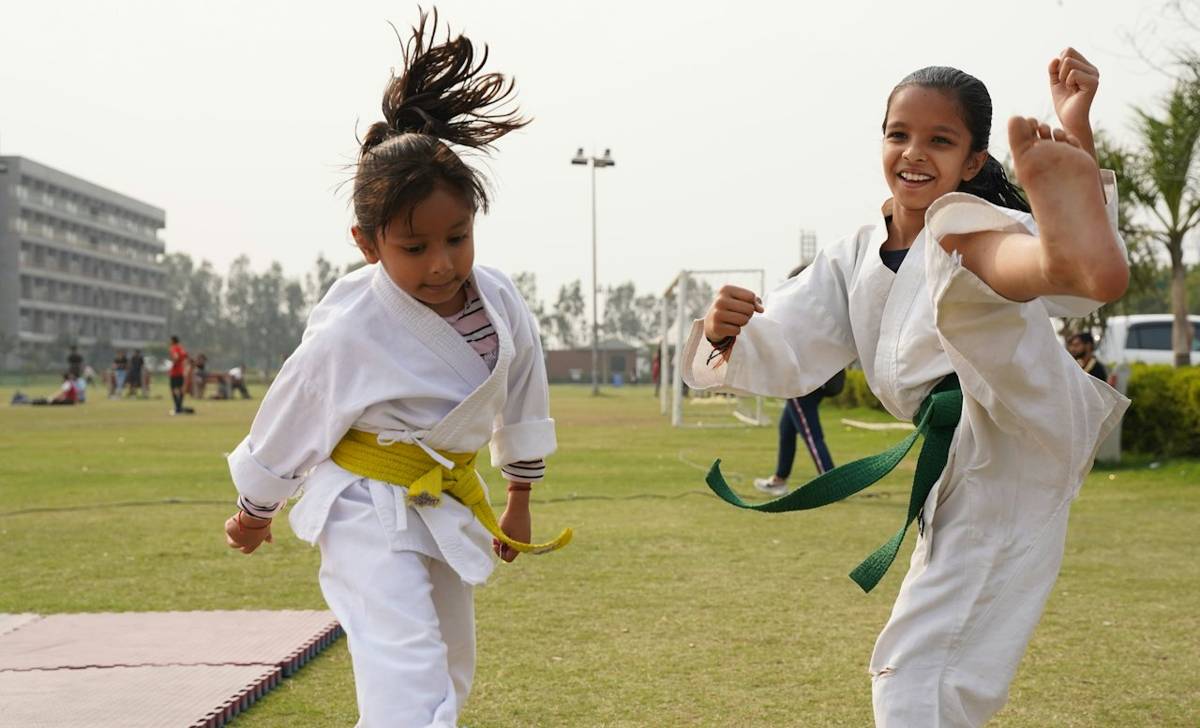
Karate covers a family of styles, among them Shotokan, Goju-ryu, Shito-ryu, Wado-ryu and the full-contact Kyokushin. Compared with Taekwondo, karate uses the hands much more and kicks lower. Classes revolve around basics (kihon), forms (kata) and sparring (kumite), with a strong emphasis on etiquette, posture and control.
Karate suits children who respond well to calm, traditional structure. Sparring for children is usually point-based and light-contact, though Kyokushin and similar styles spar harder. Like Taekwondo, karate schools range from excellent to belt factories, and the style name tells you less than a visit does. See our karate for kids guide for the styles and belts.
Brazilian Jiu-Jitsu: the “chess on the mat” option
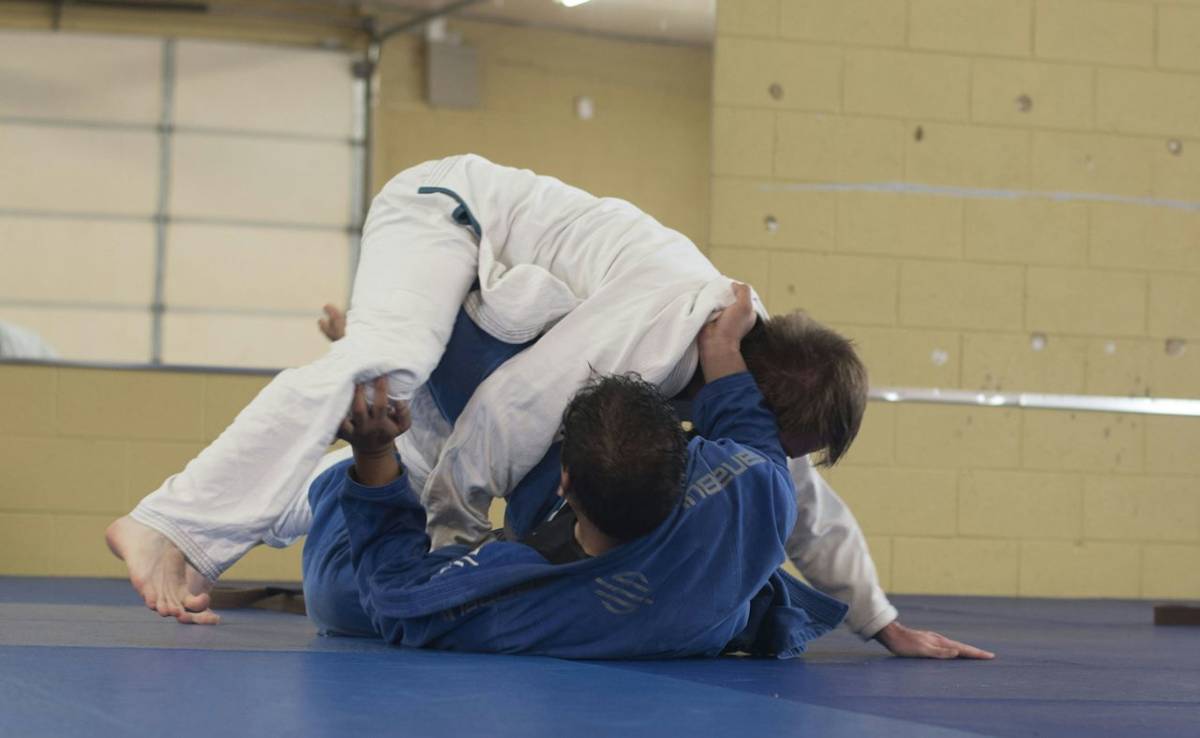
Brazilian Jiu-Jitsu, usually shortened to BJJ, is fought mostly on the ground. Children learn to control another child, escape from underneath, and hold a position without hurting anyone. There is no punching or kicking at all in kids’ classes, which many parents find reassuring, and children can practise at full effort against a resisting partner almost from the first week.
That live practice is why BJJ has such a strong reputation for self-defense, and why many parents of bullied children choose it. It also suits thoughtful kids who like puzzles. The downsides are that belt promotion is slow and less visible than in the striking arts, monthly fees tend to be at the higher end, and some children dislike the close physical contact at first. More in our BJJ for kids guide.
Judo: throws, falls and outstanding value
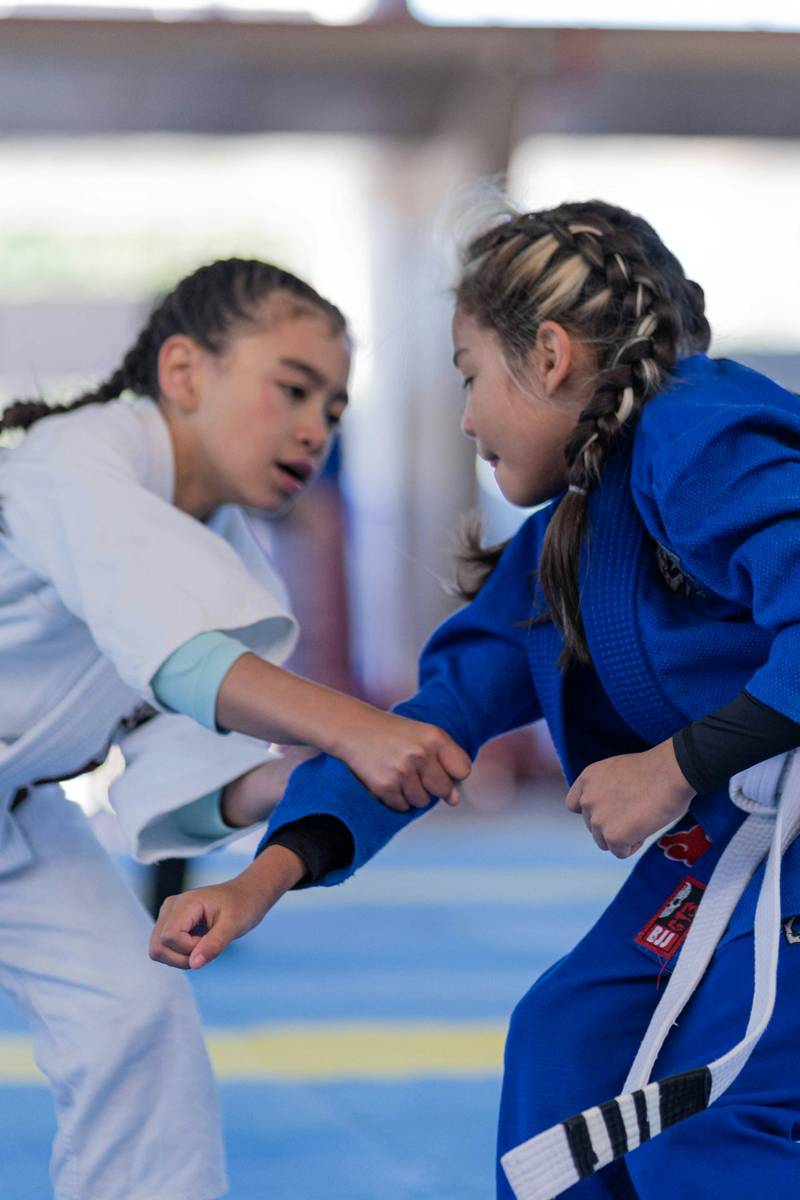
Judo was created in Japan in 1882 and has been an Olympic sport since 1964. It focuses on throwing an opponent to the ground and then pinning them. The first thing every judo student learns is how to fall safely, a skill that protects children on the playground and the bike as well as on the mat.
Judo suits active kids who love rough-and-tumble play. Many judo clubs in the US are run as nonprofits or community programs, so fees are often lower than at commercial schools, and the culture tends to be less sales-driven. Children’s rules forbid the most dangerous techniques until the teen years. Read more in our judo for kids guide.
Kung fu, wrestling and kickboxing
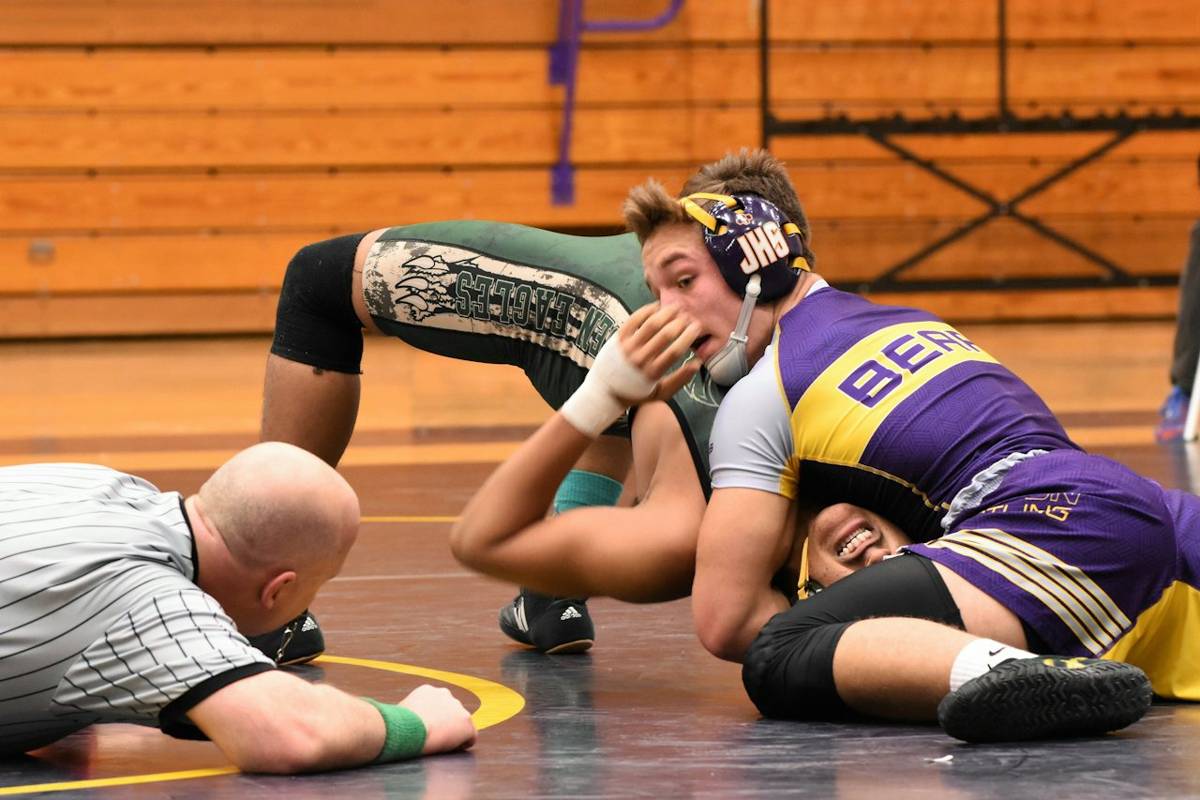
Kung fu is an umbrella for hundreds of Chinese styles, and modern wushu is its sport form, built around acrobatic routines. It suits children who love movement and performance, but quality and content vary even more than in other styles. Wrestling is one of the hardest and cheapest combat sports, often run through schools and youth clubs, and it builds strength, toughness and takedown skills that carry over to every grappling art. Muay Thai and kickboxing are usually better for older children and teens, because sparring involves real strikes. Our more styles section covers each of them.
Safety: what actually matters
All of the major styles are reasonably safe in a well-run children’s program, because the rules for kids ban the techniques most likely to cause injury. The bigger safety differences are between schools, not styles. Look for an instructor who separates children by age and size, insists on control, and never lets young children spar hard to the head. In striking arts, ask at what age head contact begins and what protective gear is required. In grappling arts, ask how the instructor supervises live practice and whether children learn to tap out (signal surrender) from the start.
Cost
Commercial schools in most American cities charge somewhere around $100 to $250 a month for children’s classes, with belt testing fees, uniforms and sparring gear on top. Community programs, YMCAs, park districts and school wrestling teams can cost a fraction of that. Prices depend far more on the city and the type of school than on the style, though BJJ academies often sit at the top of the range and judo clubs and wrestling programs at the bottom. Our cost by style guide breaks down the usual extra fees.
So which one should you choose?
If your main goal is self-defense, start with BJJ or judo, or wrestling for an athletic child. If you want structure, goals and a steady ladder of achievements, Taekwondo or karate will suit most children well. If your child is shy, look for small classes and a warm instructor in whatever style is nearby. For specific matchups, read karate vs Taekwondo, BJJ vs judo and Taekwondo vs BJJ.
Then go and watch a real class at two or three schools. A great teacher in a “less ideal” style will do far more for your child than a poor one in the “perfect” style, and your child’s own enthusiasm after a trial class is the best predictor of whether they will stick with it. Our checklist of warning signs of a bad school will help you tell the difference.
Typical ranges at reputable schools. Taekwondo and karate award junior black belts to children; judo and BJJ set minimum ages for black belt.
Questions parents and students ask
What is the best martial art for kids?
There is no single best style. Grappling arts such as Brazilian Jiu-Jitsu and judo are strongest for practical self-defense without hitting, karate and Taekwondo offer the most structure and the clearest belt goals, and wrestling is the best value for athletic kids. The quality of the school and instructor matters more than the style.
What is the safest martial art for children?
Well-run programs in any major style are reasonably safe for children, because kids' rules ban the most dangerous techniques. Styles without hard head contact in sparring, such as Brazilian Jiu-Jitsu, judo and non-contact or light-contact karate, avoid the main concussion risk of striking arts.
What age should a child start martial arts?
Most schools take children from about four to six, usually in a separate class built around games, balance and listening. Grappling and striking techniques become more technical from about seven or eight.