| Judo | Wrestling | |
|---|---|---|
| What you win with | Clean throws, pins (and submissions for older teens) | Takedowns, control, near-falls and pins |
| Uniform | Judo gi (heavy jacket, trousers, belt) | Singlet, wrestling shoes, headgear |
| Gripping | Mostly on the jacket; direct leg grabs are banned | On the body and legs; shots to the legs are central |
| Falling | Breakfalls taught from the first class | Some, but not a formal part of practice |
| Belts | Yes, colored junior belts | No belts; progress shows in matches |
| When | Year round at most clubs | Seasonal; school teams mostly in winter |
| Olympic | Yes, since 1964 | Yes, freestyle and Greco-Roman |
| Typical cost | Often low at nonprofit clubs | Usually the cheapest: school teams and youth clubs |
Pick by goal
- Wants to wrestle in high schoolWrestlingYouth clubs feed straight into school teams.
- Young and a little timidJudoSafe falling and belts build confidence step by step.
- Lowest costWrestlingSchool and club seasons are often very cheap.
- Year-round activityJudoMost clubs train all year.
On this page
Judo and wrestling are the two oldest grappling sports most American families can find nearby, and they share more than either side sometimes admits. Both teach a child to stay balanced, to take an opponent down and to hold them there. Both are Olympic sports with clear rules for children, and both tend to be run by volunteers and nonprofit clubs rather than franchises, which keeps them affordable. The differences are in the details, and those details shape how the sport feels to a seven-year-old and where it can lead by fourteen.
This guide compares the two side by side. For the wider picture, including Brazilian Jiu-Jitsu, see our guide to judo for kids, our wrestling guide and the comparison of all the main styles.
Throws and takedowns
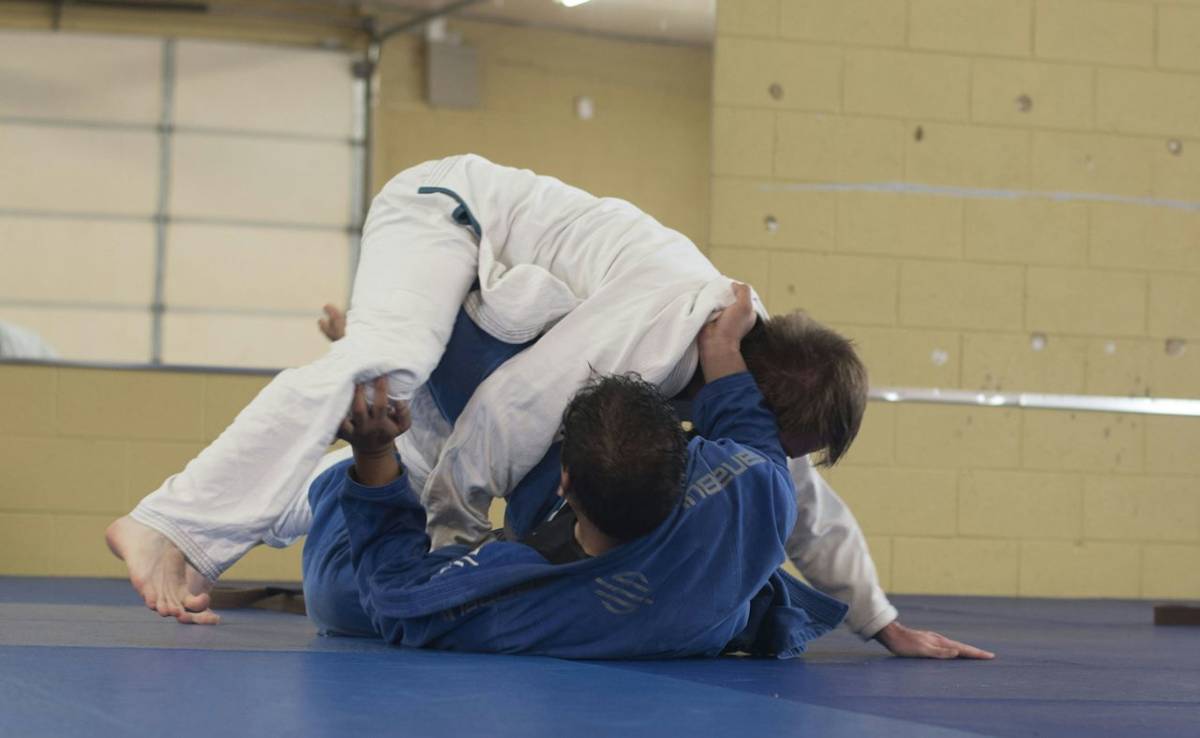
The heart of judo is the throw. Players grip each other’s jackets and try to off-balance their partner and throw them cleanly onto their back, and a perfect throw ends the match on the spot. Because the jacket gives so much to hold, judo throws can be big and spectacular: hip throws, shoulder throws and foot sweeps that lift a partner right off the mat. Under international rules, players are not allowed to dive straight for the legs, so most of the action happens upright, with posture and grips.
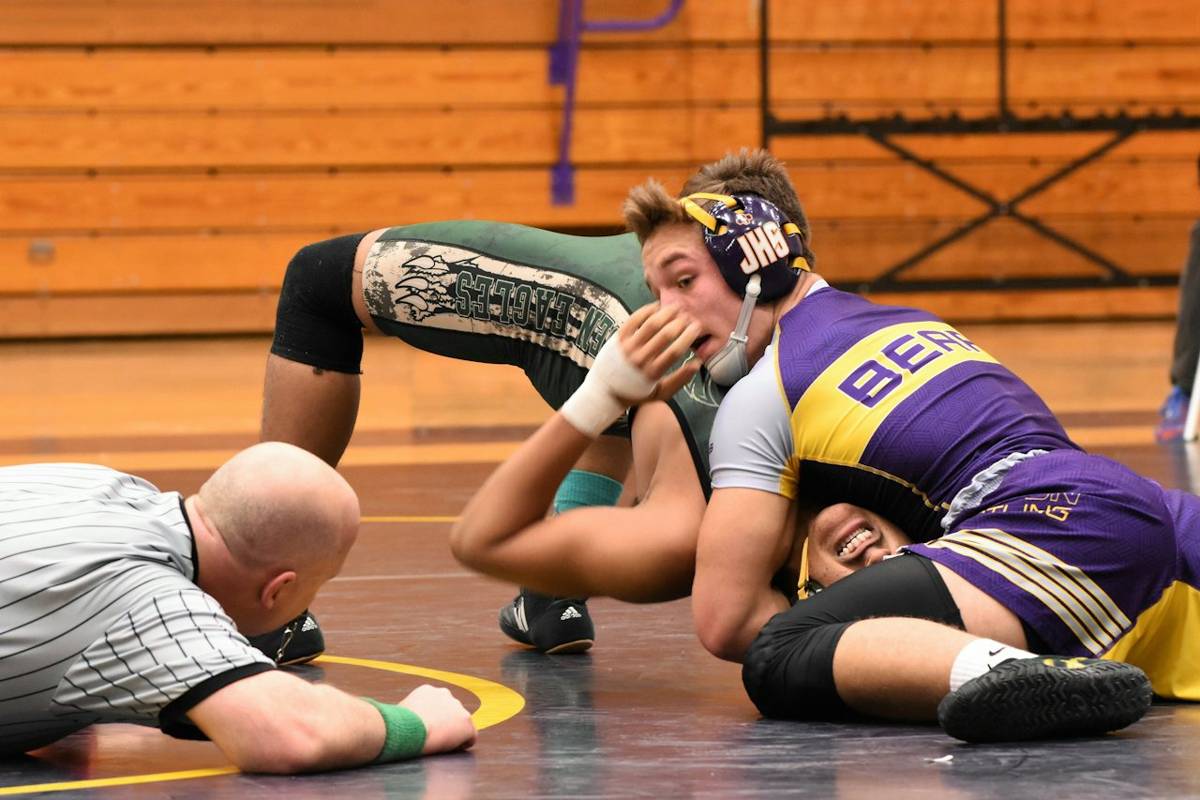
Wrestling is about takedowns and control. There is no jacket, so wrestlers grab the body, the arms and above all the legs. The classic move is the shot, a fast change of level to grab one or both legs and drive through. Matches are scored on takedowns, escapes, reversals and exposing an opponent’s back, and a pin ends the match. Wrestling looks less dramatic than a big judo throw, but it is relentless, and a wrestling practice is one of the hardest workouts a child can do.
On the ground
Both sports finish the job on the ground, but with different goals. In judo, a player who lands a throw that is not quite perfect can follow up with a pin, called osaekomi, holding their opponent on their back for a set number of seconds. Chokes and armlocks exist in judo but are not allowed for young children; they come in during the teenage years under strict rules.
In wrestling, the ground battle is about turning an opponent onto their back and keeping them there, or escaping and reversing if you are underneath. There are no submissions at all. Wrestlers develop exceptional hip strength, scrambling and a refusal to be held down, which is one reason wrestling is often recommended for children dealing with bullying.
Uniforms, belts and seasons
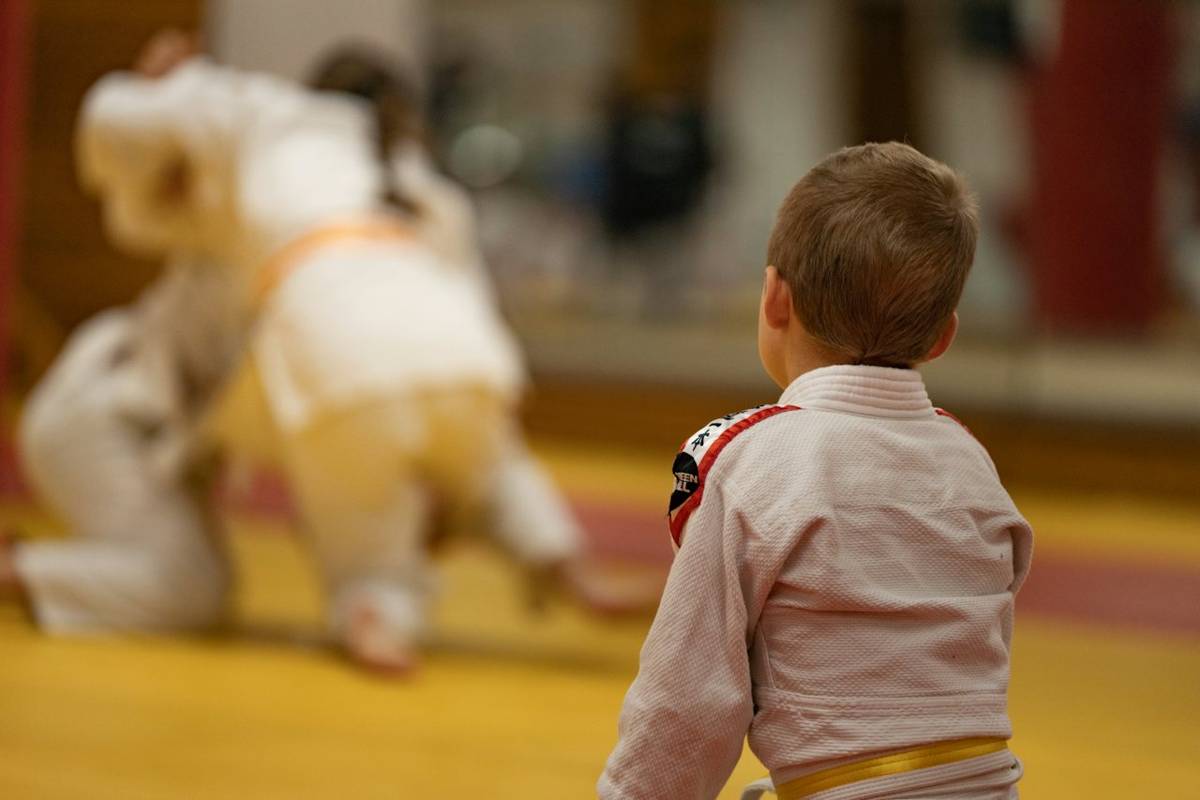
Judo is practiced in a heavy cotton jacket and trousers, the judogi, tied with a colored belt. Children move through junior belt colors over the years, often with stripes in between, and promotions usually happen in class or at small grading days. Our judo belts guide explains the order. Most clubs train year round, two or three evenings a week.
Wrestlers wear a singlet, wrestling shoes and headgear that protects the ears. There are no belts. Progress shows in match results and in moving up through local, state and national tournaments. Youth wrestling in the US often follows a season, with folkstyle (the scholastic style) in the winter and freestyle and Greco-Roman, the Olympic styles, in the spring and summer. Some clubs run all year, but many children take a break between seasons.
Competition and where it leads
Judo competition for children happens at local and regional tournaments, with divisions by age, weight and sometimes belt. Judo is an Olympic sport, but in the US it remains small, so travel to bigger events is common for children who get serious. The big advantage is that a judo player can keep competing at every age, and many clubs have adults training alongside teenagers.
Wrestling has the deepest youth competition system of any combat sport in the country. Children can compete almost every weekend in the season, and the path runs straight into middle school and high school teams, then college programs. For a child who loves competition and wants to be part of a school team, that pathway is a big point in wrestling’s favor.
Safety
Judo’s great safety asset is ukemi, the art of falling. Children spend the first weeks learning to fall backward, sideways and forward without hurting themselves, and they keep practicing it for as long as they train. It is a skill that pays off on icy sidewalks and playgrounds too. Common judo injuries are sprains and bumps rather than anything serious, especially in children’s classes.
Wrestling is also safe for children with good coaching, but parents should know three things. Skin infections such as ringworm spread on wrestling mats, so clean mats, showers and checking skin matter. Neck and shoulder strain can happen in scrambles. And as children get older, some programs push weight cutting before weigh-ins, which is unhealthy for growing bodies. A good youth coach discourages it firmly. Ask about all three on your first visit.
Cost
Both sports are among the best value in martial arts. Many judo clubs are nonprofits based in community centers, YMCAs, universities or police athletic leagues, charging far less than a commercial martial arts school. Clubs usually require a yearly national membership as well. Youth wrestling can be cheaper still, often paid per season, with school teams costing very little. The main costs in wrestling are shoes, headgear, a singlet and tournament entry fees. Our cost calculator adds it all up.
Which should your child choose?
Choose wrestling if your child is athletic, competitive and likely to want a school team, or if budget is tight. Choose judo if your child would enjoy belts, a uniform and the thrill of big throws, if you want year-round training, or if your child is younger or more cautious and would benefit from learning to fall first. If both are nearby, there is no need to choose forever. Plenty of children do judo in the autumn and spring and wrestle in the winter season, and they become better grapplers for it.
Whichever you pick, watch a class before signing up. Look for a coach who keeps young children moving and smiling, who partners them sensibly by size, and who is strict about safety and sportsmanship.
Questions parents and students ask
Is judo or wrestling better for kids?
Neither is better for every child. Wrestling suits athletic, competitive kids and leads naturally to school teams. Judo suits children who will enjoy a uniform, belts and big throws, and it teaches safe falling very thoroughly. Many grapplers do both.
Can my child do both judo and wrestling?
Yes, and many do. The skills overlap a lot: balance, grip fighting, pins and toughness. A common pattern is judo year round and wrestling during the school season. Coaches in both sports usually welcome cross-training.
Which is safer, judo or wrestling?
Both are reasonably safe for children in well-run programs. Judo spends more time teaching how to fall. Wrestling's main concerns for older kids are skin infections, neck strain and unhealthy weight cutting, all of which a good coach manages carefully.