| Karate | Krav Maga | |
|---|---|---|
| What it is | Traditional martial art | Modern self-defense system |
| Focus | Technique, kata, discipline, sparring | Awareness, escapes, simple strikes, getting away |
| Forms | Kata at every belt | None |
| Competition | Point sparring and kata tournaments | None; it is not a sport |
| Belts | Yes, broadly familiar | Some schools use levels or belts |
| Best starting age | About 4 to 6 | Often 6 to 8 and up |
| Typical cost | About $100 to $250 a month | Similar, often a little higher |
Pick by goal
- Long-term disciplineKarateYears of structured progress and etiquette.
- Practical safety skillsKrav MagaAwareness, boundaries and escapes.
- Young child under 6KarateKids' programs are built for small children.
- Wants tournamentsKarateKrav Maga has no competition.
On this page
Some parents come to martial arts wanting discipline and fitness for their child; others mainly want their child to be safe. That difference often decides between a traditional art like karate and a modern self-defense system like Krav Maga. Both can be good for children, but they are built for different purposes, and a kids’ class in each looks quite different.
For background, see karate for kids and Krav Maga for kids, or our guide to the best martial art for a bullied child.
Purpose
Karate is a traditional martial art. Its goals include self-defense, but also physical development, discipline, respect and long-term improvement through kata, technique and sparring. It is something a child can do for years and grow with.
Krav Maga was developed in the mid-twentieth century and later adopted by the Israel Defense Forces. It is a self-defense system, not a sport. There are no forms and no competitions. Adult classes focus on dealing with real threats as quickly and simply as possible. Kids’ programs adapt this heavily: awareness, confidence, saying no, escaping grabs and getting away to a trusted adult.
What children do in class
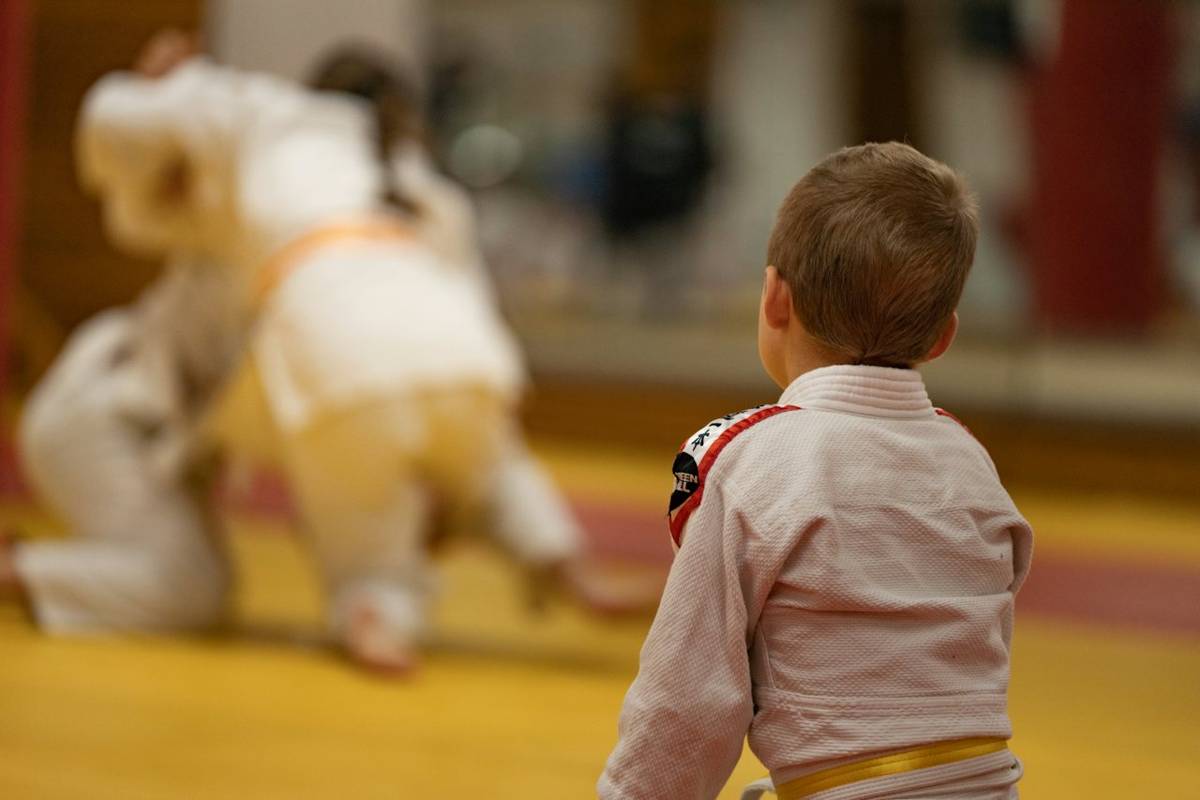
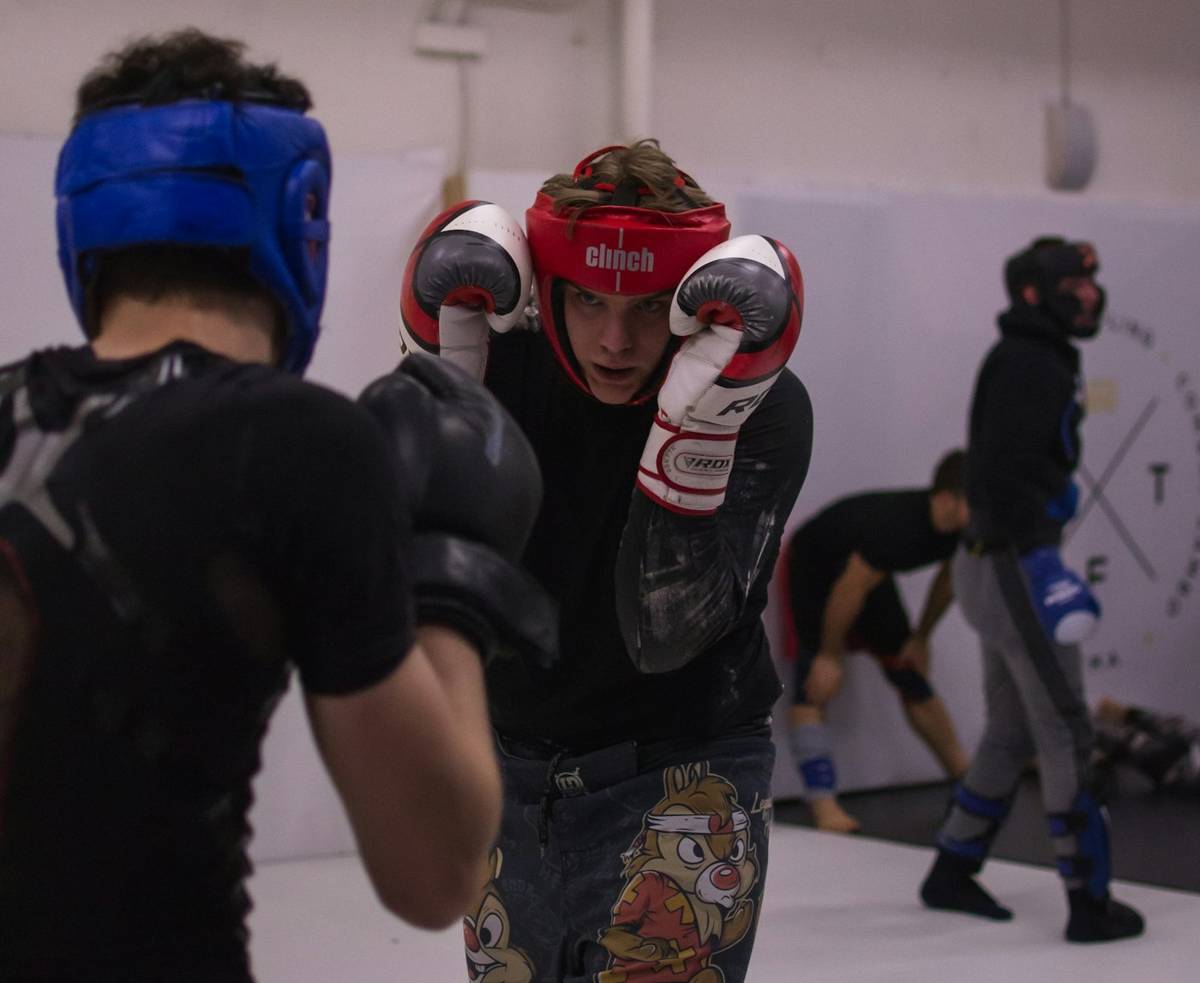
A children’s karate class usually includes lines of basic techniques, pad work, kata for the next belt, games and, a few belts in, light point sparring. Etiquette and structure are a big part of it.
A kids’ Krav Maga class typically includes fitness drills, escapes from wrist grabs, bear hugs and pushes, simple palm strikes and kicks on pads, falling safely, and scenario games that practise awareness and using a loud voice. Good programs keep it age-appropriate and avoid anything frightening.
Structure and progress
Karate has a familiar belt system with regular tests and kata to learn at each level, which gives children clear goals. Our karate belts guide shows a common order. Krav Maga schools vary: some use levels or belts, others none. There is no long ladder of forms to work through, so long-term motivation depends more on the instructor.
Self-defense
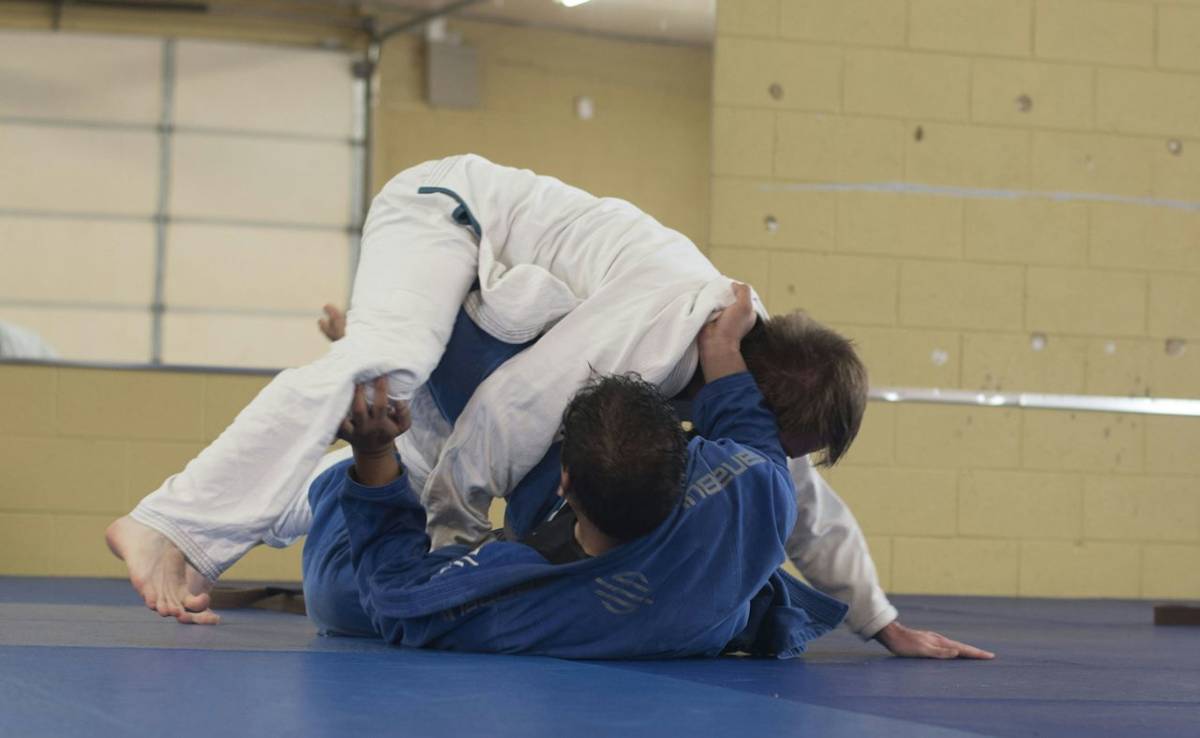
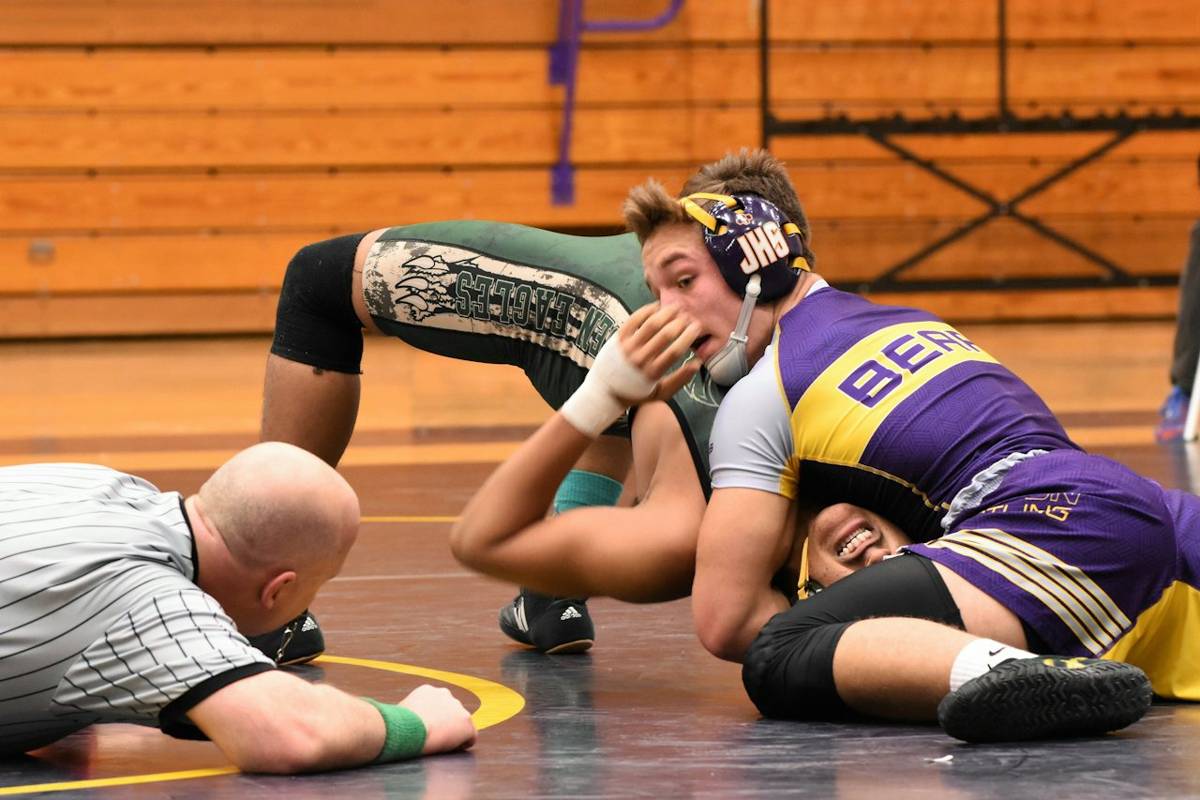
Krav Maga’s whole curriculum is aimed at self-defense, and good kids’ programs teach useful habits such as awareness, boundaries and escape. Karate’s self-defense value depends on the school: dojos with regular sparring and realistic drills teach composure and timing under pressure, while forms-focused dojos teach less that transfers directly. For children, both should put avoidance, de-escalation and telling an adult first, and the grappling arts are worth considering too.
Ages and safety
Karate programs are built for young children, with many schools teaching from about four. Kids’ Krav Maga usually starts a little older, often around six to eight, and some schools prefer older children because the subject matter is more serious. In both, look for controlled drills, sensible partnering by size and an instructor who keeps things calm.
Cost
Both are usually taught at commercial schools at broadly similar prices, often around $100 to $250 a month for children. Karate may add testing fees and sparring gear. Our cost calculator totals the full yearly cost.
Which should your child choose?
Choose karate if you want a long-term activity that builds discipline, fitness and steady progress, especially for a younger child. Choose Krav Maga if practical safety skills are the priority and your child is a bit older, or consider a short self-defense course alongside another art. Either way, watch a class and listen to how the instructor talks to children about danger. Calm and confident is what you want.
Questions parents and students ask
Is Krav Maga good for kids?
A good kids' program can be excellent: it teaches awareness, boundary setting, escaping grabs and when to run and get help. Quality varies a lot, so look for instructors with real experience teaching children, controlled drills and an emphasis on avoiding trouble.
Is karate or Krav Maga better for self-defense?
Krav Maga is designed specifically for self-defense, so its whole curriculum points that way. Karate's self-defense value depends on how much realistic practice a school includes. For children, both should stress avoidance and getting help first.
Can a child do karate and Krav Maga?
Yes. Some families pair a traditional art for discipline and fitness with a short Krav Maga or self-defense course for practical skills. The two do not conflict.