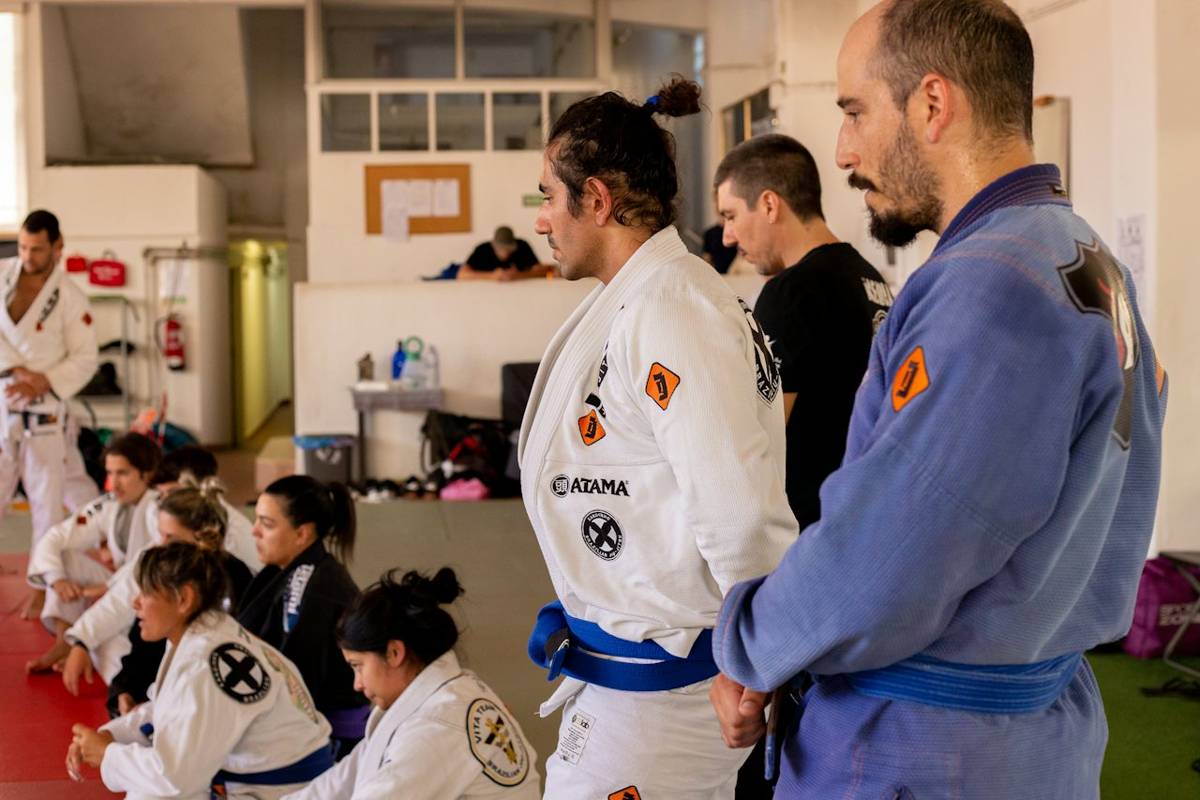
Pick by goal
- Pinned or pushed aroundBJJEscapes and control from the ground.
- Shoved and knocked downJudoBalance, throws and safe falling.
- Older, athletic kidWrestlingTakedowns and strength.
- Needs confidence firstAny good schoolSmall classes and a patient teacher matter most.
On this page
Many parents first look into martial arts because their child is being picked on. It is a very understandable instinct: you want your child to feel safe and to be able to protect themselves. Martial arts can help a great deal, but some styles help more than others, and the most important benefit is not the one most people expect.
First, an important point. Bullying is a problem for adults to solve, not something a child should handle alone with their fists. Talk to your child, document what is happening, and work with the school. Resources such as StopBullying.gov explain how. Martial arts are a powerful addition to that plan, not a replacement for it.
Confidence is the biggest benefit
Children who are bullied often get targeted partly because they seem unsure of themselves. A few months of martial arts can change how a child carries themselves: standing taller, making eye contact, using a strong voice. Many schools explicitly teach children to say “Stop, leave me alone!” loudly and clearly, and practise it. That alone can end a lot of bullying before anything physical happens. Any good school, in any style, can provide this.
Why grappling arts are so often recommended
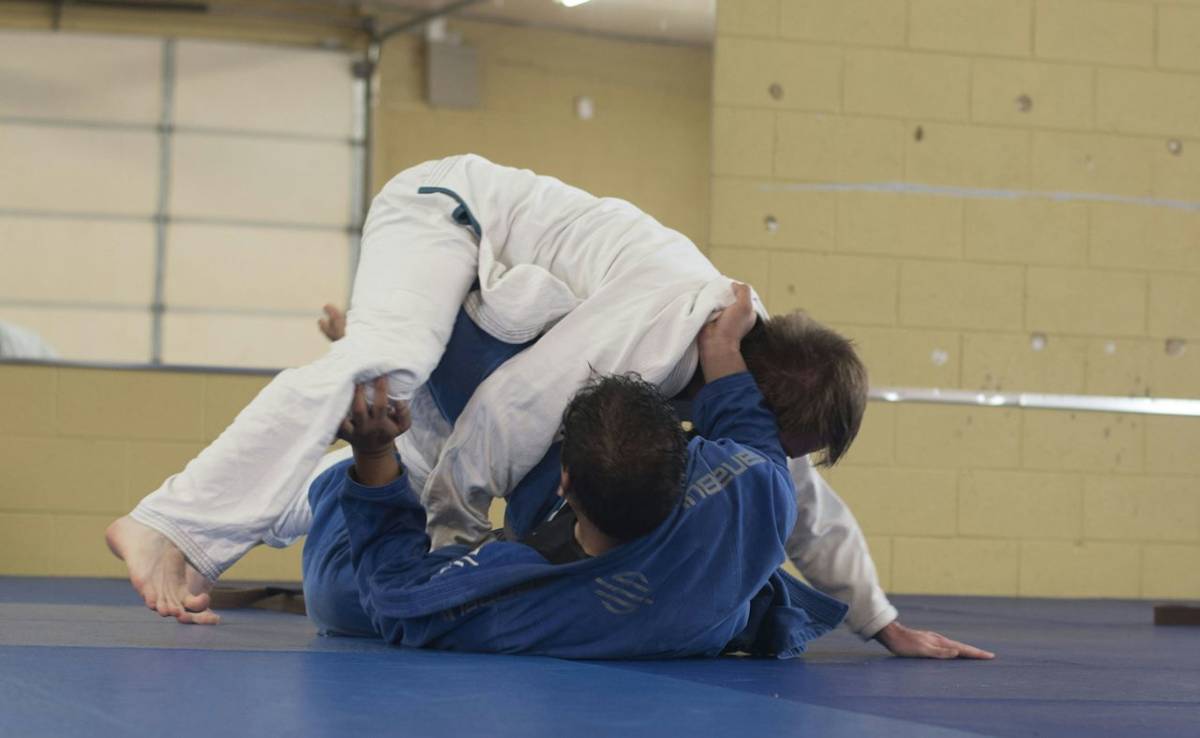
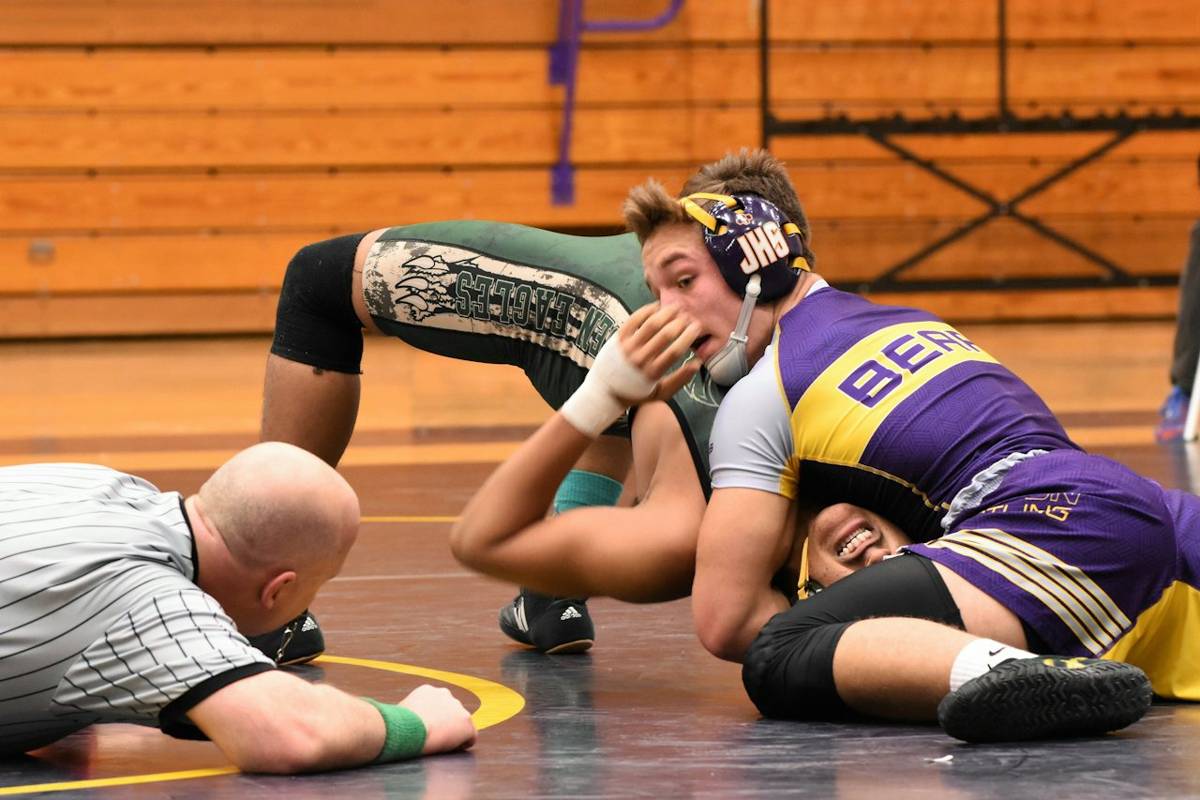
When bullying does turn physical between children, it rarely looks like a kickboxing match. It usually involves pushing, grabbing, headlocks, being held down or pulled to the ground. Brazilian Jiu-Jitsu, judo and wrestling train exactly these situations. Children learn to keep their balance, break a grip, escape from underneath someone and hold another child down calmly until an adult arrives, all without punching or kicking anyone.
Just as important, grappling is practised live against a resisting partner from early on. A child who has escaped from underneath dozens of classmates in practice knows, rather than hopes, that they can handle themselves. That calm certainty is exactly what makes a confrontation less likely to escalate. Non-striking skills also keep your child out of trouble at school, where hitting back often gets both children suspended.
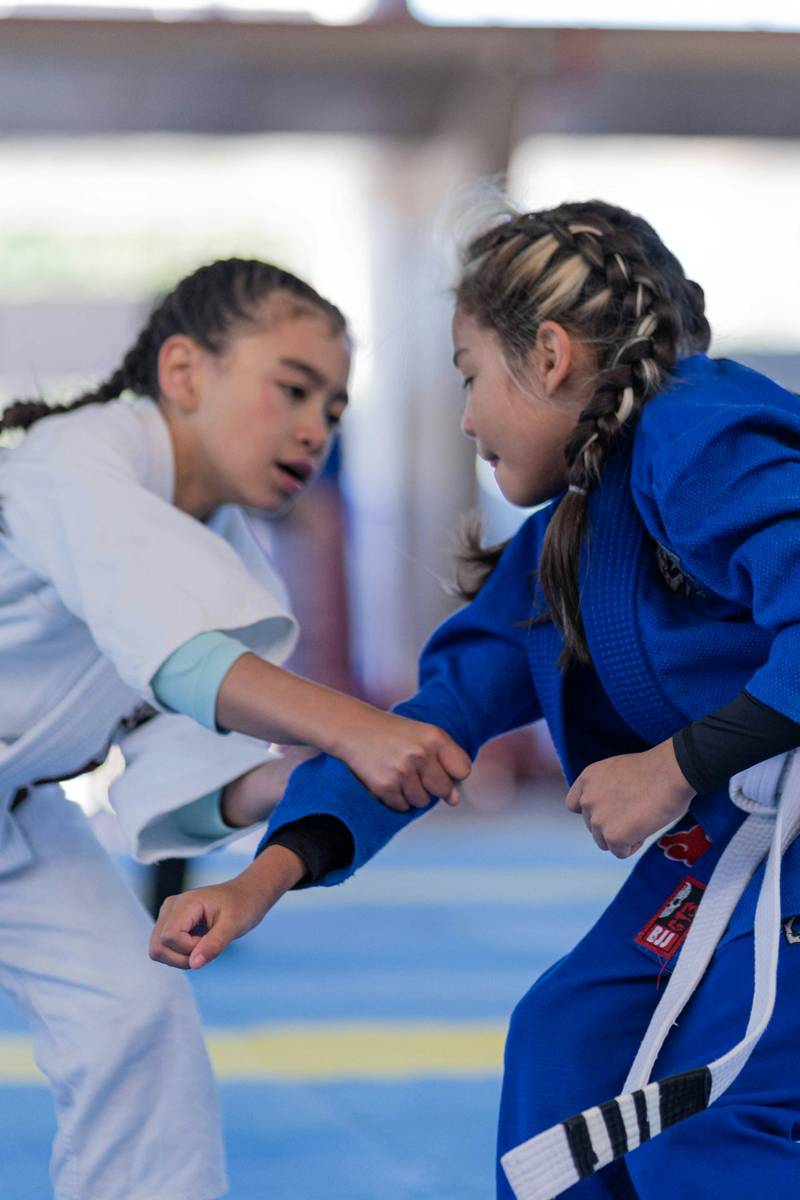
What striking arts offer
Taekwondo and karate build confidence, fitness, focus and discipline, and good schools teach practical self-defense: escaping wrist grabs, blocking, creating distance and getting away. Children who enjoy kicking and structure may stay with a striking art longer, and sticking with it matters more than the style. The limitation is that much of the sparring is sport-based, which differs from a real scuffle. If you choose a striking art, ask how the school teaches self-defense and anti-bullying specifically.
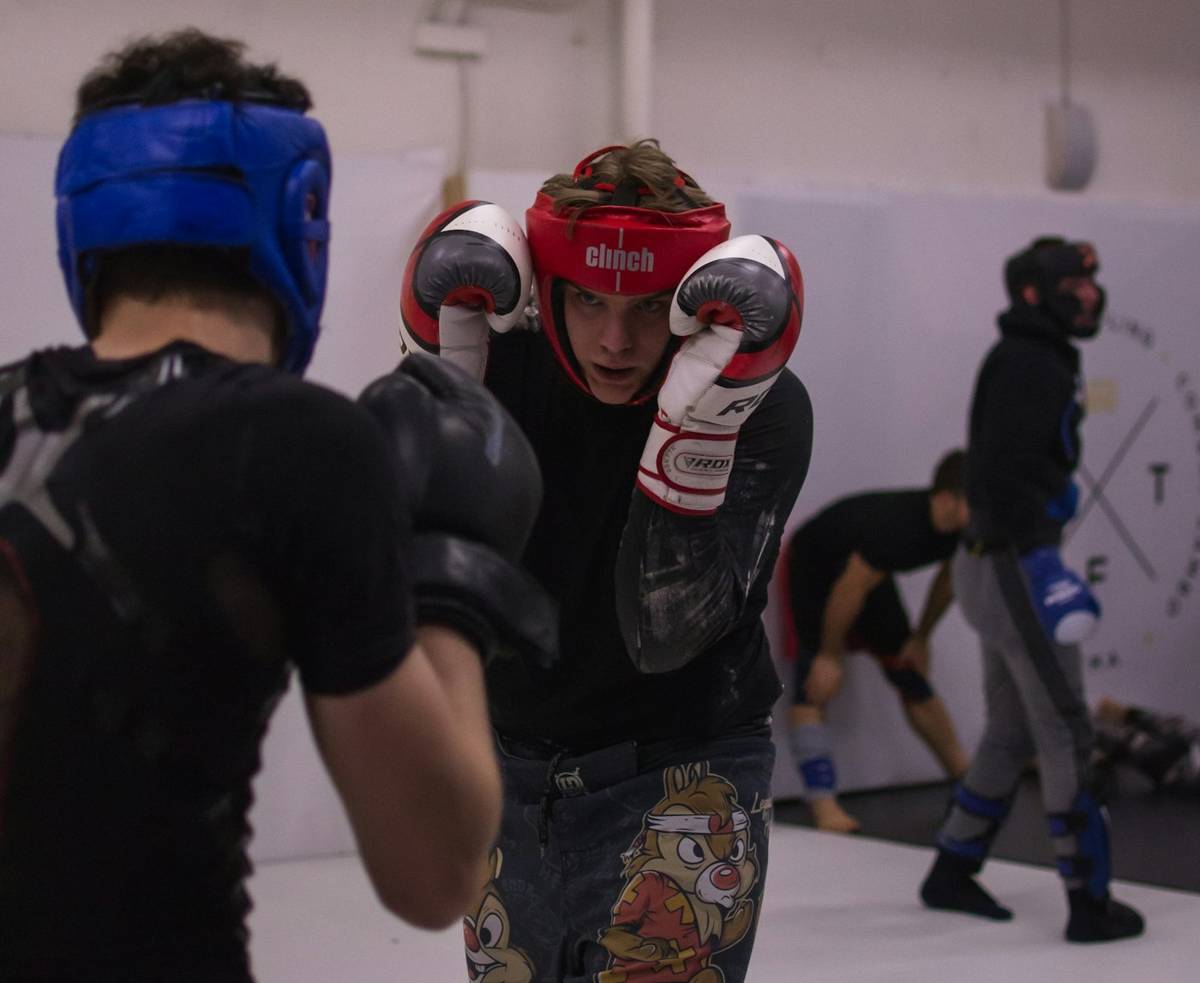
Kickboxing and Muay Thai teach very effective striking but are usually better suited to teenagers, and striking another child carries obvious risks.
What to look for in a school
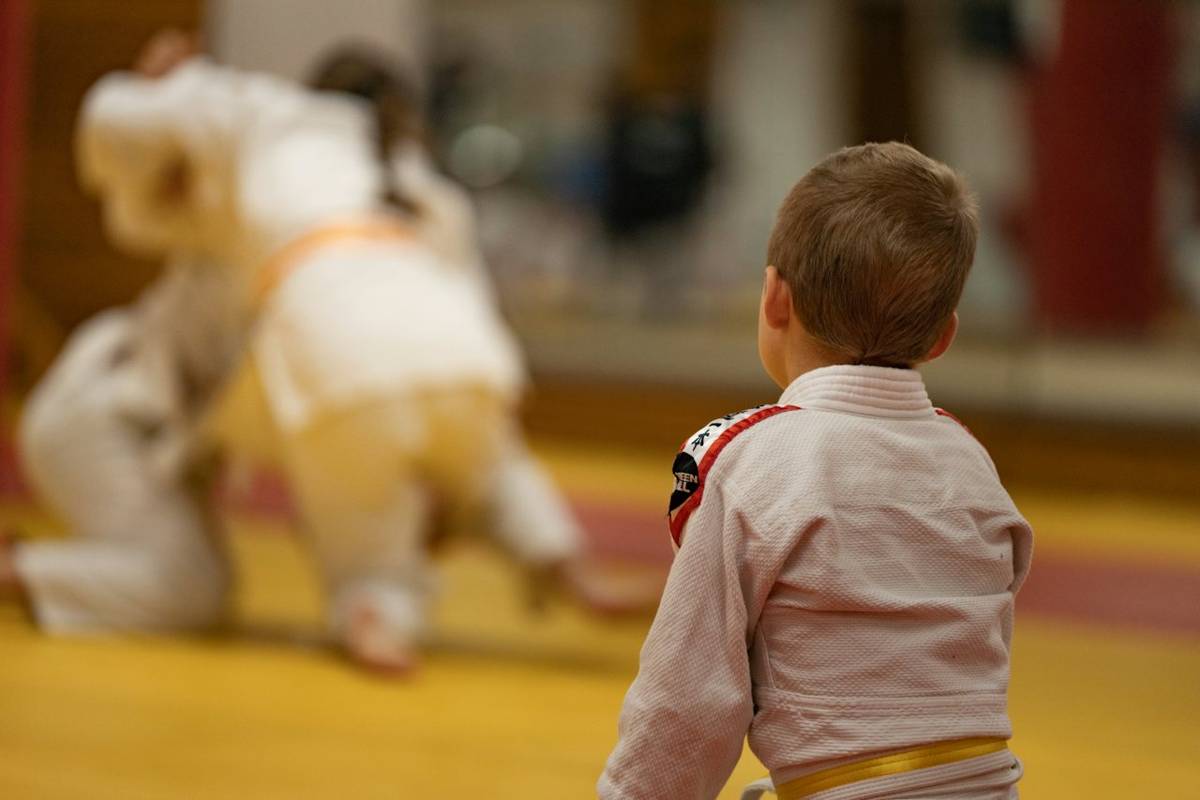
Ask whether the school has an anti-bullying or self-defense curriculum for children, and what it teaches about avoiding fights. Watch how the instructor talks about conflict: you want “walk away, use your voice, tell an adult, and protect yourself only if you have to”, not “show them who’s boss.” Look for a warm, supportive class culture. A bullied child needs a place where they feel safe and welcome, not a second set of tough kids to deal with. Small classes and an instructor who notices quiet children are big advantages.
Our recommendation
If a good BJJ, judo or youth wrestling program is nearby, it is usually the strongest choice for a bullied child. If your child is drawn to Taekwondo or karate instead, a good school will still build real confidence, so choose the one they will stick with. Pair any style with open conversations at home and action at school. For side-by-side comparisons, see Taekwondo vs BJJ and BJJ vs judo.
Questions parents and students ask
What is the best martial art for bullying?
Grappling arts such as Brazilian Jiu-Jitsu, judo and wrestling are most often recommended, because they teach children to control and escape from another child without hitting, and children practise against real resistance. Any good martial arts program can also build the confidence that makes a child a less likely target.
Will martial arts make my child more aggressive?
Good programs tend to do the opposite. Children learn self-control, respect and that fighting is a last resort. If a school encourages aggression outside class, that is a warning sign about the school.
Should my child fight back against a bully?
Martial arts should be one part of a plan, not the plan. Children should first walk away, use their voice and tell a trusted adult, and parents should work with the school. Physical skills are for protecting yourself when there is no other way out.