| Folkstyle | Freestyle | Greco-Roman | |
|---|---|---|---|
| Where | US schools and colleges | International, Olympics | International, Olympics |
| Legs | Attack and use | Attack and use | No holds below the waist |
| Focus | Control and riding | Big moves, exposure | Upper-body throws |
| Kids usually start | Yes, most do | Spring and summer clubs | Older kids |
Pick by goal
- Toughness and fitnessA youth wrestling clubHard work at a low cost.
- Base for MMA or BJJWrestlingTakedowns and top control carry over.
- Wants belts and ranksJudo or BJJWrestling has no belts.
On this page
Wrestling rarely appears on lists of martial arts for kids, because it has no belts, no uniforms with patches and no bowing. But for parents who want their child to be strong, tough, confident and able to handle themselves, it is one of the best and cheapest options available. Coaches in every grappling art and in MMA will tell you that a wrestling background is a huge advantage.
The three styles
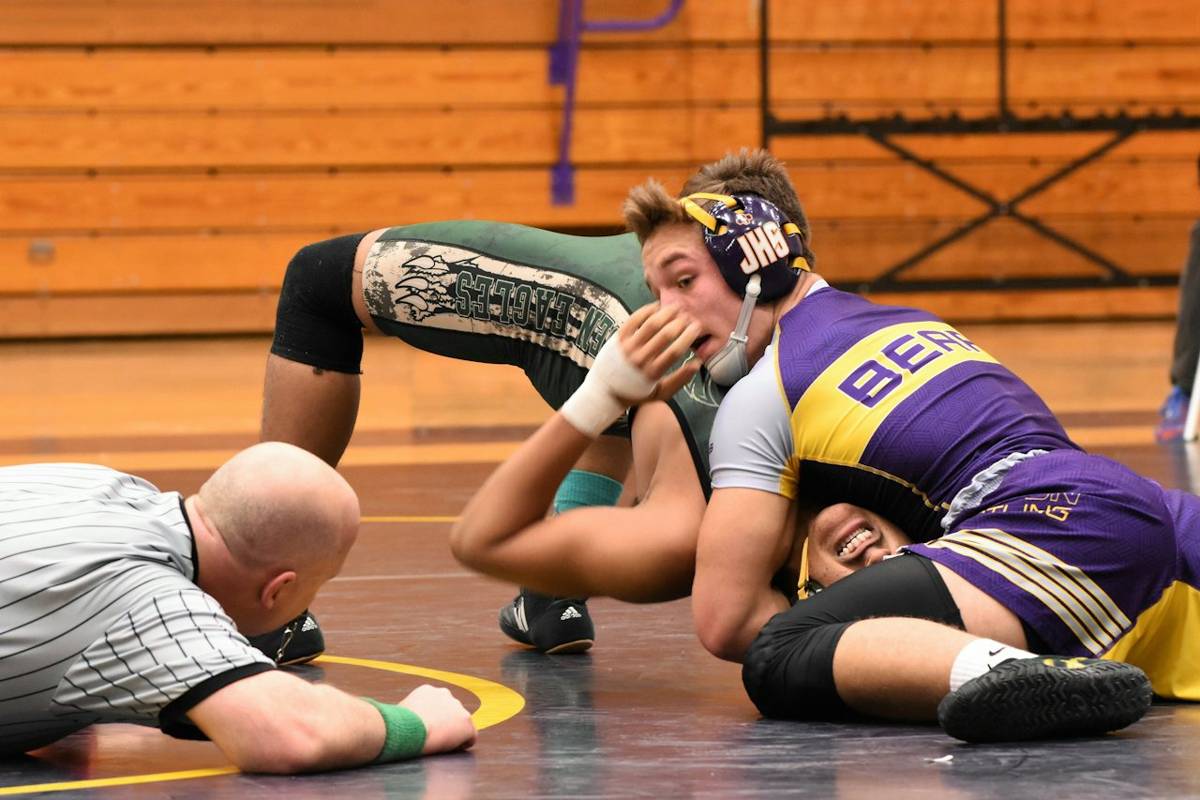
American children may encounter three forms of wrestling. Folkstyle is the style used in US schools and colleges, and the one most kids learn first. It rewards control: taking an opponent down, holding them down, escaping and reversing. Freestyle and Greco-Roman are the two Olympic styles. Freestyle allows attacks on the legs and rewards big, explosive moves, while Greco-Roman allows holds only above the waist. Many youth clubs teach folkstyle during the school year and freestyle and Greco-Roman in the spring and summer.
Clubs and school teams
Young children usually start in youth clubs, often run by volunteers, high school coaches or parents, and many are affiliated with USA Wrestling, which provides insurance and runs tournaments. Practice typically runs during a winter season, two or three evenings a week. From middle school, many children wrestle for their school team, which is one of the most affordable sports a family can choose.
What practice looks like
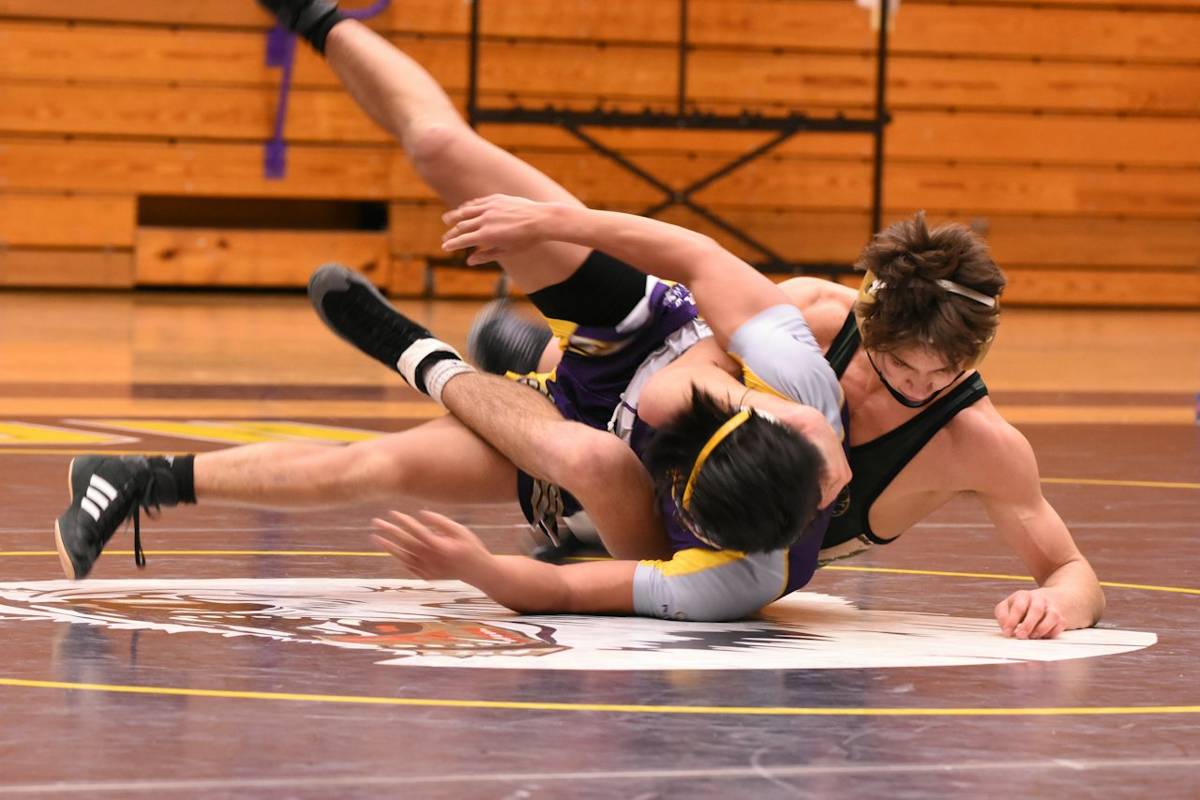
Practices are physically demanding. They start with a hard warm-up, then technique drilling with a partner (stance, motion, shots at the legs, sprawls, escapes and pins), followed by live wrestling and conditioning. Good youth coaches keep it fun for young children with games and plenty of encouragement. Older children’s practice is tough by design, and that toughness, built in a supportive team, is one of wrestling’s greatest gifts.
Tournaments
Children wrestle in tournaments grouped by age and weight, often several matches in one day. Matches are short and intense, a few minutes long. Youth tournaments are a big part of the culture, and many parents find the atmosphere exciting, if long.
Safety, skin and weight
Like any contact sport, wrestling has injury risks, mostly sprains, strains and bruises. Two issues are specific to wrestling. First, skin infections such as ringworm and impetigo can spread on mats, so good clubs clean mats daily, require children to shower after practice and check skin before tournaments. Second, weight cutting: in older age groups, some wrestlers try to lose weight quickly to compete in a lower class, which can be unhealthy. School associations have rules to limit this, and good youth coaches do not allow young children to cut weight at all. Ask any club where it stands.
Why wrestling works so well with martial arts
Wrestling builds strength, balance, endurance and grit, and teaches children to stay on their feet and control another person. These skills transfer directly to BJJ, judo and MMA. Many families combine wrestling season in the winter with a martial art the rest of the year.
Cost
Youth wrestling is usually inexpensive, often charged per season rather than per month. You will need wrestling shoes, headgear (required in US folkstyle) and, for competition, a singlet. School teams typically involve modest fees. See our cost by style guide.
The wrestling season
Wrestling runs on a calendar. In most of the US, folkstyle season fills the winter months, from about November to March, with practices several times a week and tournaments most weekends. In spring and summer, many clubs switch to freestyle and Greco-Roman, with fewer practices and optional events. Families should expect early weekend starts, long tournament days and a lot of sitting on bleachers, so pack snacks, a chair cushion and patience. Many children wrestle in season and do another sport the rest of the year, which coaches generally encourage. Our wrestling profile lists the official club finder.
Is wrestling right for your child?
Wrestling suits active, competitive children who like a challenge and enjoy being part of a team. It can be hard at first, but children who stick with it gain remarkable confidence. For the bigger picture, see the best martial art for kids and the best martial art for bullying.
Questions parents and students ask
What age can kids start wrestling?
Many youth wrestling clubs take children from about five, and school teams usually start in middle school. Children can start at any age; plenty of successful high school wrestlers began at 12 or 13.
Is wrestling safe for kids?
Youth wrestling is a contact sport with injury risks similar to other contact sports, mainly sprains, strains and skin infections. Good coaching, matching by weight and age, clean mats and good hygiene keep risks low.
Is wrestling a martial art?
Wrestling is one of the oldest combat sports in the world and an Olympic sport. It does not use belts or forms, but its takedown and control skills are central to every grappling martial art and to MMA.