Wrestling
folkstyle, freestyle and Greco-Roman
Takedowns, pins and toughness, usually through youth clubs and school teams at low cost.
- Comes from
- Worldwide
- Type
- Grappling, takedowns and pins
- Usual start
- Clubs from about 5
- Olympic
- Yes
- Typical cost
- Often charged per season
- Ranks
- None: seasons and teams
In one minute
Wrestling rarely appears on lists of martial arts, because it has no belts and no bowing. Yet it is one of the oldest combat sports in the world, an Olympic sport, and the base that coaches in every grappling art wish their students had.
Most American children start in volunteer youth clubs and move to school teams in middle school. Practice is demanding and seasonal, the cost is low, and the confidence children build is remarkable.
Inside a class
What a class looks like
A typical 60 to 90 minute youth practice, minute by minute.
- 15 minWarm upRunning, tumbling and stance-and-motion drills
- 25 minTechniqueShots, sprawls, escapes and pins
- 15 minDrillingRepetition with a partner of similar weight
- 15 minLive wrestlingShort, intense goes with a coach watching
- 10 minConditioningSprints and bodyweight work, kept fun for little ones
About 80 minutes in all.
Ranks and progress
No belts. Children progress through age groups, weight classes and teams.
- 1Youth clubFrom about 5, often volunteer-run
- 2Middle school teamMany children join here
- 3High school varsityState tournaments and rankings
- 4College and beyondNCAA, freestyle and Olympic styles
In pictures
A great fit for
- Athletic, competitive kids
- Families on a tight budget
- Children who want a team around them
Think twice if
- A coach allows young kids to cut weight
- Mats are not cleaned daily
- Your child wants a year-round, low-pressure activity
Month by month
The first year of Wrestling
What a child training about twice a week usually learns. Every school sets its own pace.
- Weeks 1 to 4Stance, motion and level changes
Wrestling stance, moving, changing levels and basic takedown entries.
- Months 2 to 3Takedowns and escapes
Single and double leg takedowns, standing up from bottom, and live wrestling.
- Months 3 to 5First tournaments
Many children compete during their first season at local events.
- Rest of yearOff-season or freestyle
A break, or freestyle and Greco-Roman in spring and summer.
Safety and contact
Sparring
Live wrestling starts early; practices are intense.
Head contact
No strikes, though bumps happen in scrambles. Headgear protects the ears.
Common injuries
Neck and shoulder strain, skin infections, unhealthy weight cutting in older kids.
Ask the school: Ask how mats are cleaned and what the club says about cutting weight.
What it costs
Typical US ranges. Prices vary a lot by city and school.
| Season or club fee | Often $50 to $150 a season |
|---|---|
| Membership card | Yearly, to compete |
| Shoes and headgear | $80 to $150 |
| Tournaments | $20 to $40 each |
Gear and when you need it
Don't buy everything up front. Most of it waits until later.
| Wrestling shoes | From the start |
|---|---|
| Headgear | From the start |
| Singlet | For competition |
| Mouthguard | Recommended, required with braces |
Signs of a good school
- Kids matched by age and weight
- Clean mats every practice
- Coaches firmly against weight cutting
- Fun, game-based practice for the youngest
Red flags
- Young kids cutting weight
- Constant hard live wrestling with no technique
- No skin-check policy
- Coaches yelling at children
Words you'll hear in class
- Shot
- Diving for the legs
- Sprawl
- Defending a shot
- Pin / fall
- Both shoulders down, wins the match
- Folkstyle
- US school style
- Freestyle
- Olympic style
- Escape
- Getting free from bottom
Myths and facts
MythWrestling is only for big kids.
FactWeight classes mean children compete against others their size.
MythIt is the same as pro wrestling.
FactAmateur wrestling is a real Olympic sport with no scripts or strikes.
MythYou must start young.
FactMany great wrestlers start in middle or high school.
Questions parents ask
What age can kids start wrestling?
Many youth clubs start around 5 or 6, and school teams usually start in middle school.
Is wrestling expensive?
It is usually the cheapest combat sport, often paid by the season.
Is wrestling good for bullying?
Yes. It builds strength, takedowns and confidence in close contact.
Do kids have to cut weight?
No, and they should not. Good coaches let children wrestle at their natural weight.
Find a Wrestling class near you
Search by ZIP code, see what's close, and use our checklist when you visit.
Find a classOfficial directories
Start reading
Our guides to Wrestling, written for parents.
How it compares
Side-by-side guides for parents weighing Wrestling against other styles.
Style vs styleJudo vs wrestling for kids: two grappling sports compared for parentsJudo or wrestling for your child? How the two grappling sports differ in throws, takedowns and pins, uniforms, seasons, competition, safety, cost and the kind of child each one suits.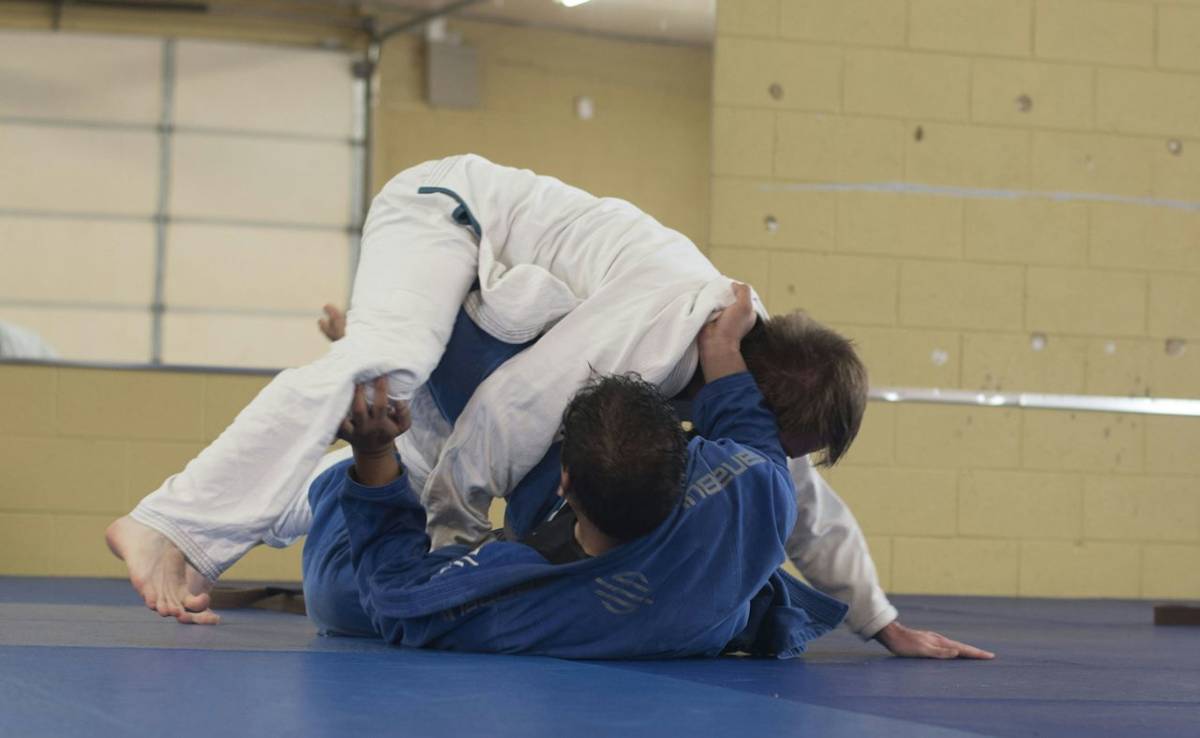 Style vs styleBJJ vs wrestling for kids: which grappling sport fits your child?Brazilian Jiu-Jitsu or wrestling for your child? How the two grappling sports differ in takedowns, ground work and submissions, pace, belts, seasons, safety, cost and the kind of child each one suits.
 Choosing a styleBest martial art for a child who is being bulliedWhich martial art helps a bullied child most? Why grappling arts like BJJ, judo and wrestling are often recommended, what striking arts offer, and how martial arts build confidence alongside talking to the school.