Krav Maga
קרב מגע "contact combat"
A modern self-defense system: awareness, escapes and simple strikes, with no sport or forms.
- Comes from
- Israel
- Type
- Self-defense system
- Usual start
- Often 6 to 8 and up
- Olympic
- No
- Typical cost
- $100 to $250 a month
- Ranks
- Levels or belts, varies
In one minute
Krav Maga was developed in the mid-twentieth century and later adopted by the Israel Defense Forces. It is a self-defense system rather than a sport, so there are no forms and no competitions.
Kids' programs adapt it heavily: awareness, boundaries, using a loud voice, escaping grabs and getting away to a trusted adult. Quality varies a lot, so the instructor's experience with children matters more than usual.
Inside a class
What a class looks like
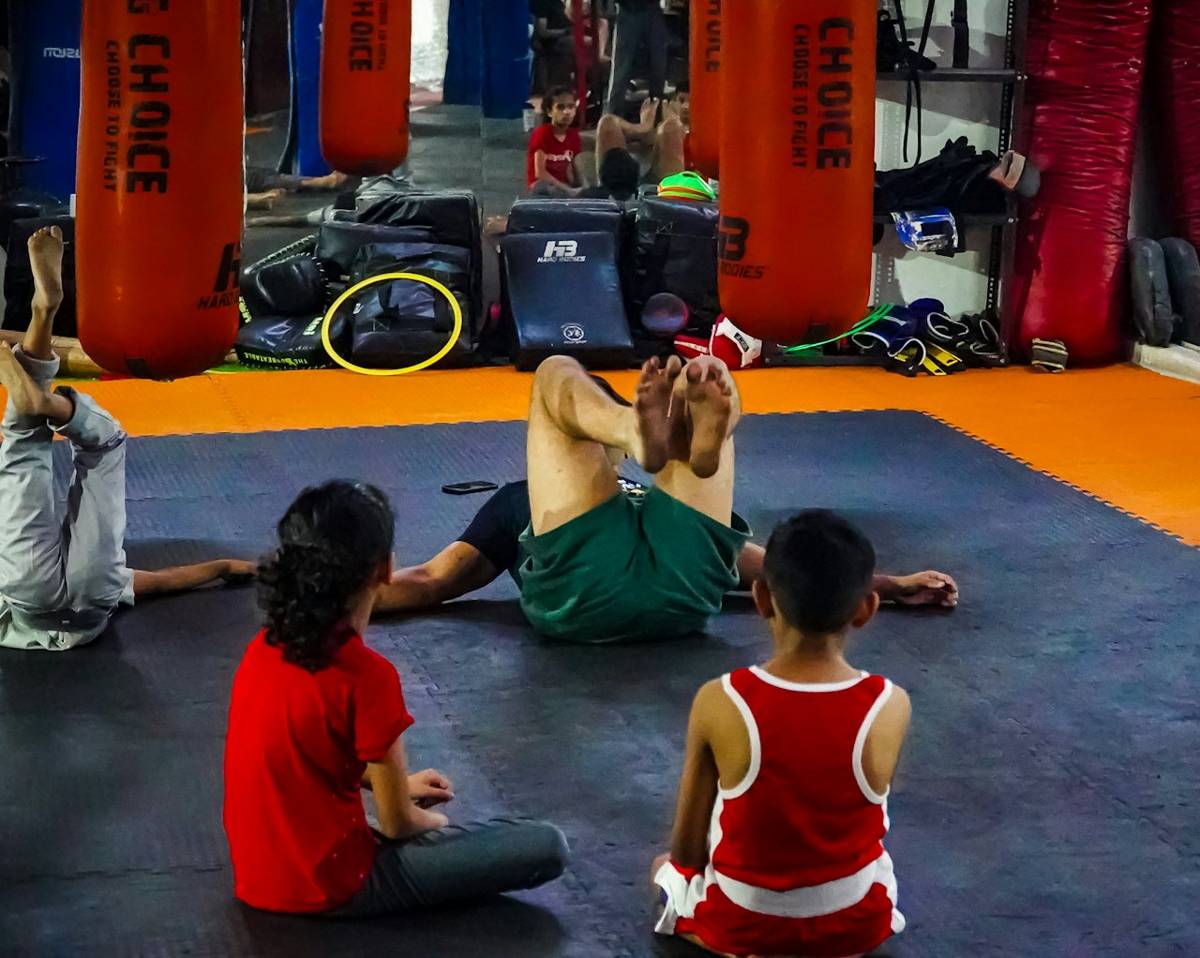
A typical 45 minute kids class, minute by minute.
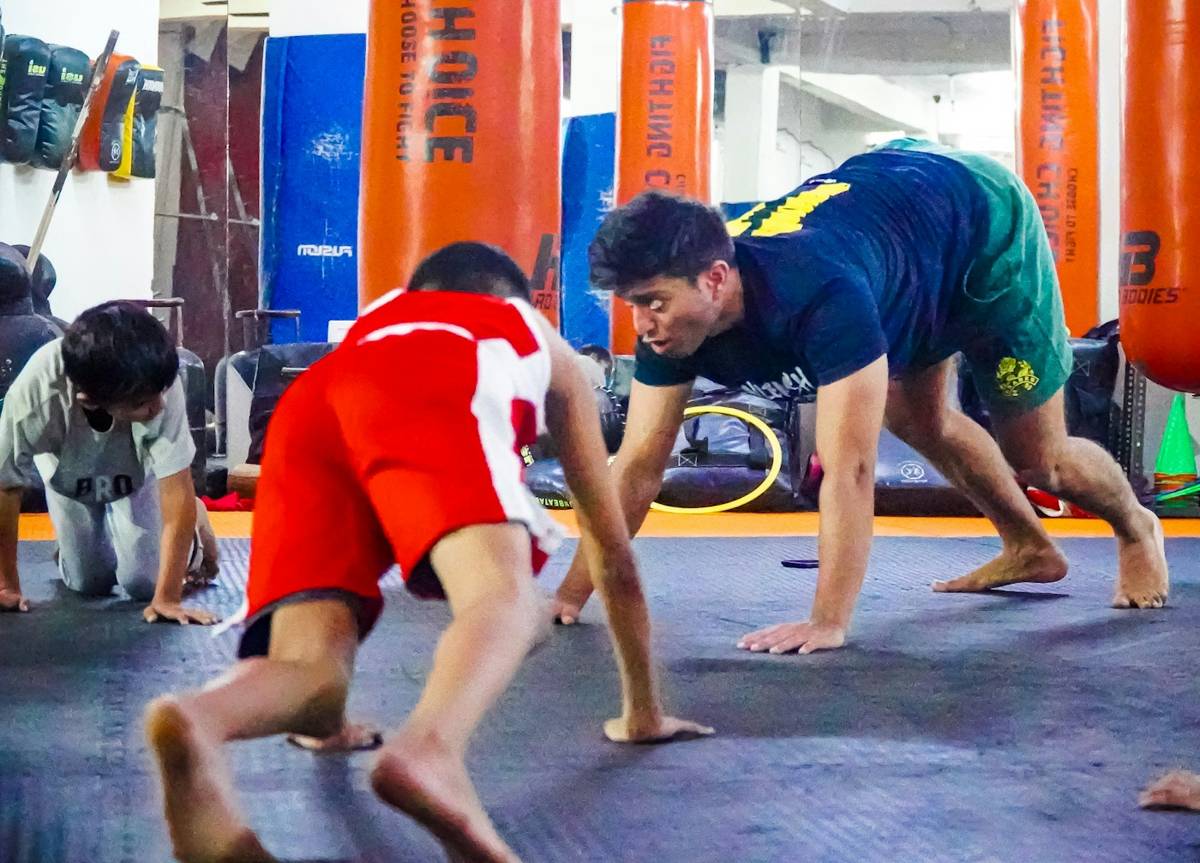
- 8 minWarm upMovement games and agility
- 12 minEscapesWrist grabs, pushes and bear hugs
- 12 minStrikes on padsPalm strikes, knees and kicks
- 8 minScenario gamesAwareness, voice and getting away
- 5 minCool down and talkSafety lessons in plain words
About 45 minutes in all.
Ranks and progress
There is no single system. Some schools use levels or colored belts and others have none, so ask how progress is marked.
- 1FoundationsAwareness, stance, simple strikes and escapes
- 2DevelopingEscapes from more grabs, falling safely
- 3Advanced youthPressure drills and scenario training
- 4Teen and adultAdult curriculum, often from mid-teens
In pictures
A great fit for
- Families who want practical safety skills
- Older children and teens
- Children who prefer drills to forms
Think twice if
- Your child is under about 6
- The class feels frightening rather than empowering
- You want long-term belts and competition
Month by month
The first year of Krav Maga
What a child training about twice a week usually learns. Every school sets its own pace.
- Weeks 1 to 4Stance, strikes and awareness
A ready stance, palm strikes and kicks, and how to notice danger and get away. Kids classes use lots of games.
- Months 2 to 3Releases and escapes
Escaping wrist grabs, bear hugs and pushes, and yelling for help. Children practise with partners, slowly.
- Months 4 to 8Ground escapes and first level test
Getting back up from the ground and escaping holds. Many programs hold a first level or belt test around here.
- Months 9 to 12Pressure drills and bully skills
Drills under mild stress, setting boundaries with words, and when to run or tell an adult.
Safety and contact
Sparring
Kids programs use controlled drills; free sparring is rare or very light.
Head contact
Usually little or no head contact for children, but check the program.
Common injuries
Bumps and bruises from drills, occasional sprains.
Ask the school: Ask whether there is a separate kids curriculum or if children just do the adult class.
What it costs
Typical US ranges. Prices vary a lot by city and school.
| Monthly tuition | $100 to $250 |
|---|---|
| Level or belt tests | $0 to $75 |
| Uniform or T-shirt | $20 to $50 |
| Gloves and shin guards | $50 to $100 |
Gear and when you need it
Don't buy everything up front. Most of it waits until later.
| School T-shirt and pants | From day one |
|---|---|
| Mouthguard | When partner drills get physical |
| Light gloves | After the first weeks |
| Shin guards and groin protector | Older kids and teens |
Signs of a good school
- A dedicated kids curriculum and coach
- Focus on awareness, escapes and getting away
- Instructors certified by a recognized krav maga body
- Calm, controlled drills, not scare tactics
Red flags
- Promises your child will be able to beat any attacker
- Children dropped into adult classes
- Fear-based selling
- Hard drills with no protective gear
Words you'll hear in class
- Burst
- Moving in fast to stop an attack early
- Ready stance
- Hands up, feet apart, ready to move
- Palm strike
- Strike with the heel of the hand
- Release
- Breaking free from a grab
- Combatives
- The basic strikes and kicks
- Retzev
- Continuous motion: keep moving and acting
Myths and facts
MythKrav maga is too violent for children.
FactKids programs focus on awareness, escapes and confidence, not hurting people.
MythIt is only for soldiers.
FactIt started with the Israeli military but civilian classes for families are common.
MythKids learn to fight bullies.
FactGood programs teach children to avoid, de-escalate and get help first.
MythThere are no ranks.
FactMany programs use levels or belts, though the system varies by organization.
Questions parents ask
What age can kids start krav maga?
Many schools run kids classes from about 5 or 6 and teen classes from about 12.
Is krav maga good for bullying?
It can build confidence and teaches escapes, but the best programs also teach words, boundaries and telling an adult.
Does krav maga have competitions?
No. It is a self-defense system, not a sport.
Find a Krav Maga class near you
Search by ZIP code, see what's close, and use our checklist when you visit.
Find a classStart reading
Our guides to Krav Maga, written for parents.
How it compares
Side-by-side guides for parents weighing Krav Maga against other styles.
Style vs styleKarate vs Krav Maga for kids: traditional art or self-defense system?Karate or Krav Maga for your child? How a traditional martial art and a modern self-defense system differ for children: what is taught, structure, belts, sparring, safety, cost and which child each suits. Choosing a styleBest martial art for a child who is being bulliedWhich martial art helps a bullied child most? Why grappling arts like BJJ, judo and wrestling are often recommended, what striking arts offer, and how martial arts build confidence alongside talking to the school.
 Choosing a styleBest martial art for kids: an honest comparison for parentsTaekwondo, karate, Brazilian Jiu-Jitsu, judo, kung fu, wrestling and kickboxing compared for children: what each one teaches, starting ages, costs, safety and which kind of child each style suits.