Kendo
剣道 "the way of the sword"
Japanese fencing with bamboo swords and armor, built on etiquette, spirit and timing.
- Comes from
- Japan
- Type
- Sword art with armor
- Usual start
- About 6 to 8
- Olympic
- No
- Typical cost
- Modest fees, armor later
- Ranks
- Kyu and dan grades, no colored belts
In one minute
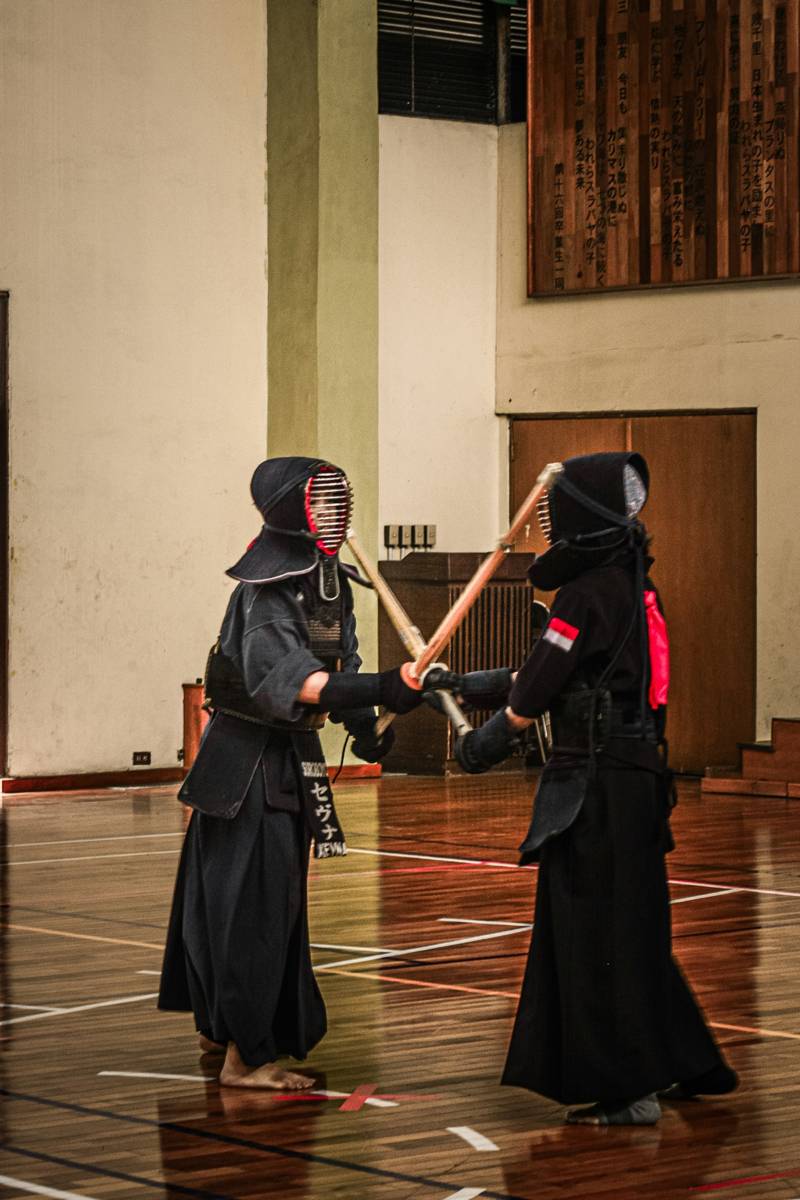
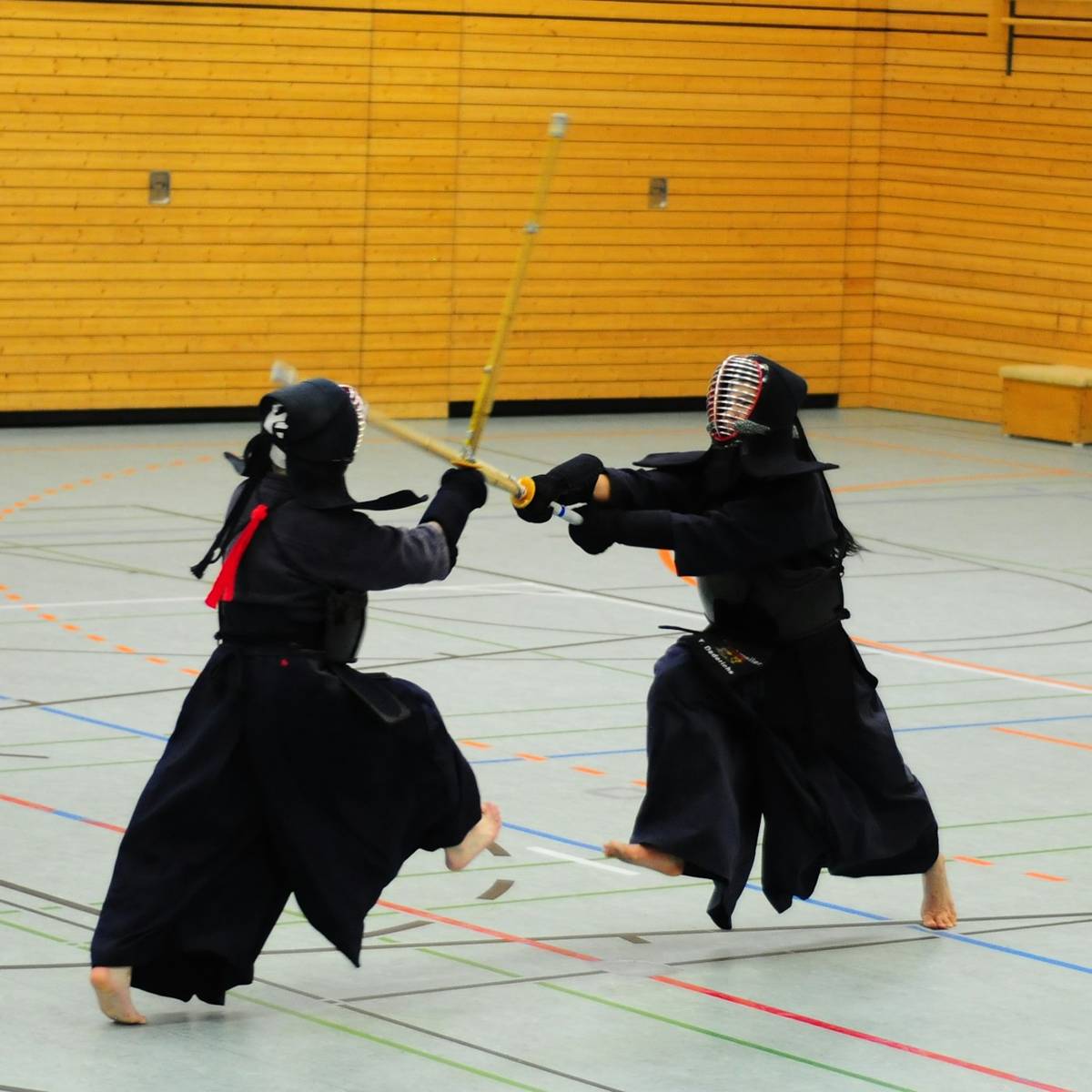
Kendo is the modern Japanese martial art of the sword. Practitioners wear armor called bogu and strike designated targets with a bamboo sword, the shinai, shouting the name of the target with full spirit.
Children usually start in practice clothes, learning footwork and strikes without armor, and wear armor once they are ready. Kendo clubs are often small and volunteer-run, with a strong emphasis on etiquette and respect.
Inside a class
What a class looks like
A typical 60 minute class, minute by minute.
- 10 minBow in and warm upEtiquette and stretching
- 15 minFootwork and swingsSuburi practice swings
- 20 minStrike drillsMen, kote and do targets
- 15 minPractice boutsFor students in armor
About 60 minutes in all.
Ranks and progress
Kendo uses kyu grades below first dan and dan grades above, tested at graded exams. There are no colored belts.
- 1BeginnerFootwork, swings and etiquette, no armor
- 2In armorStrikes against partners in bogu
- 3Kyu gradesGraded exams with practical tests
- 4ShodanFirst dan, with a minimum age
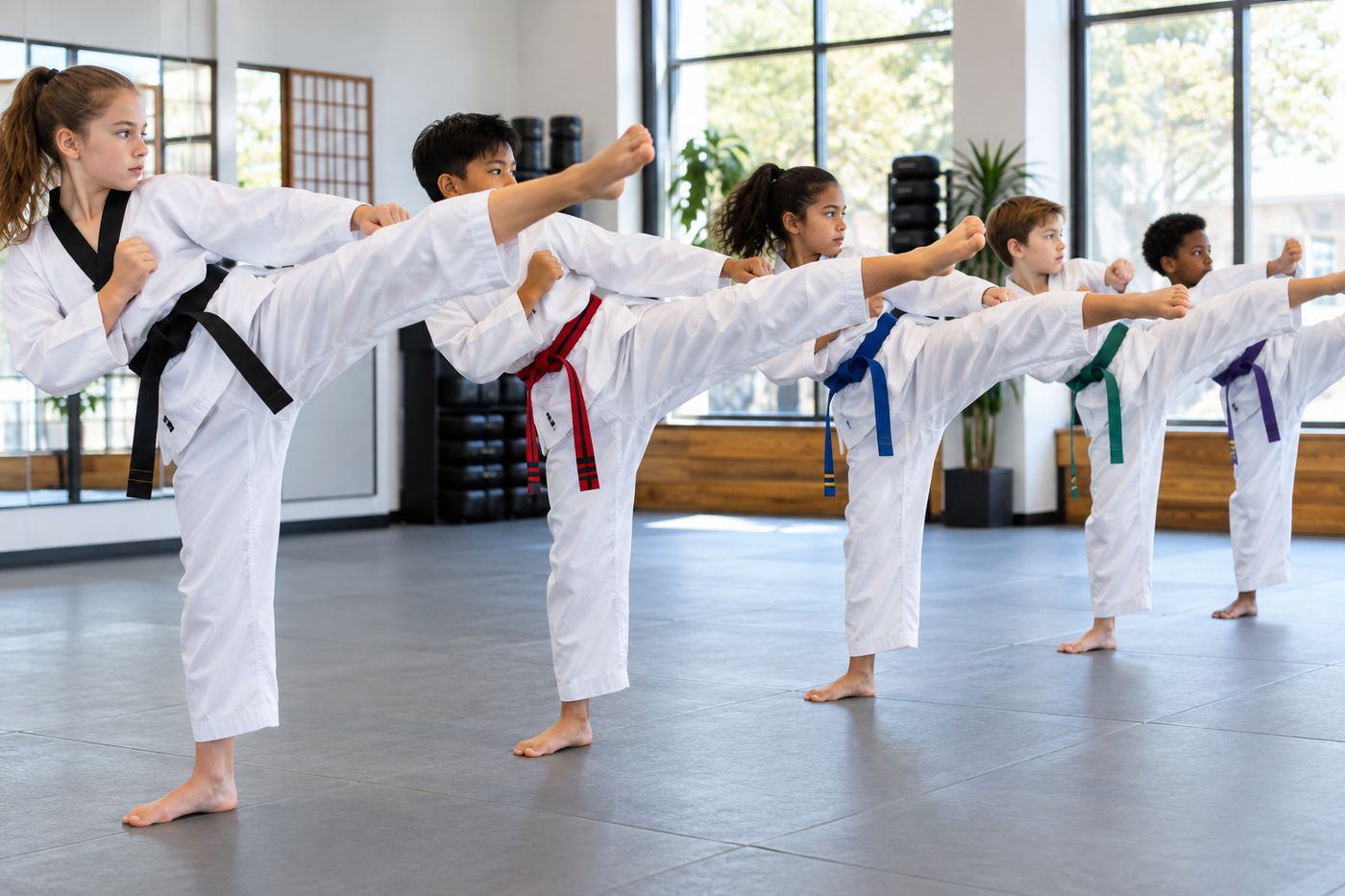
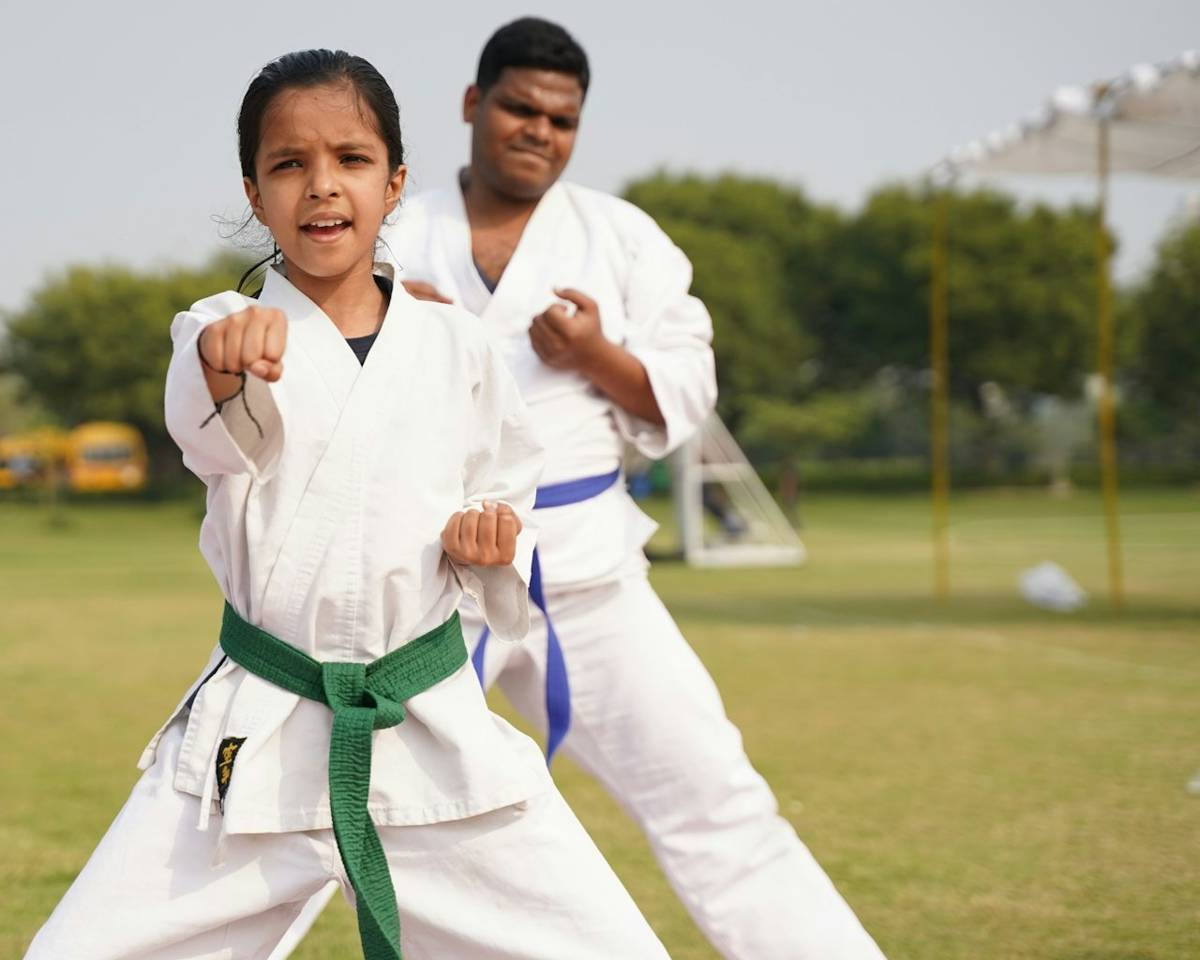
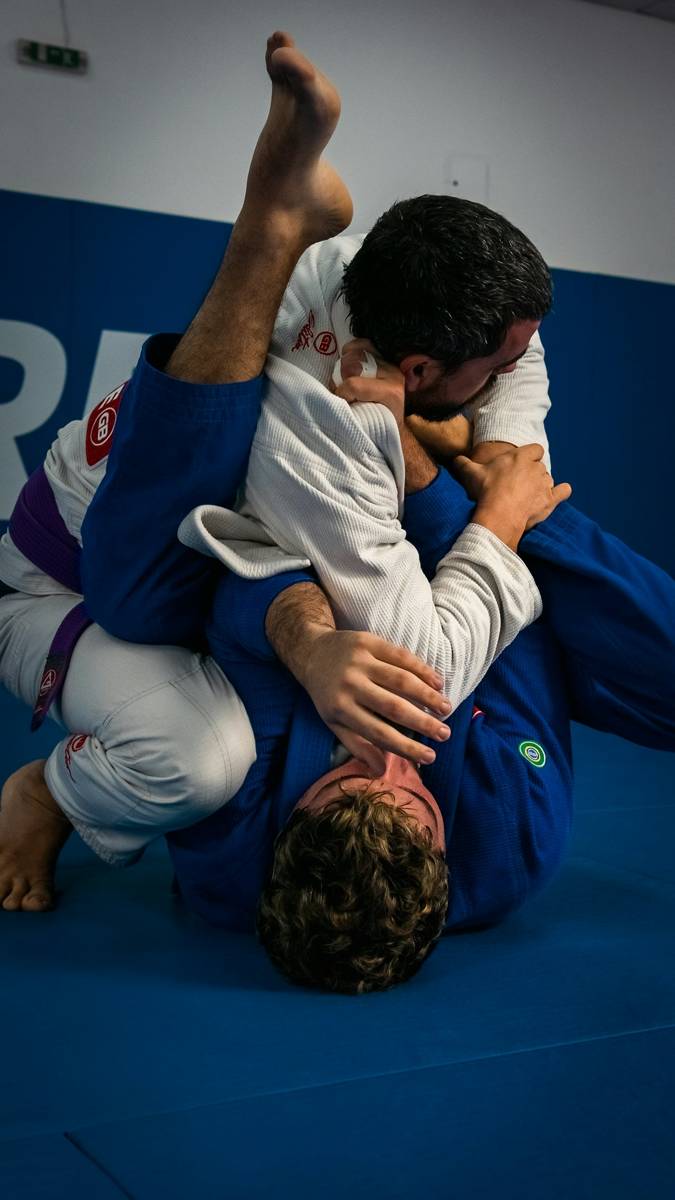
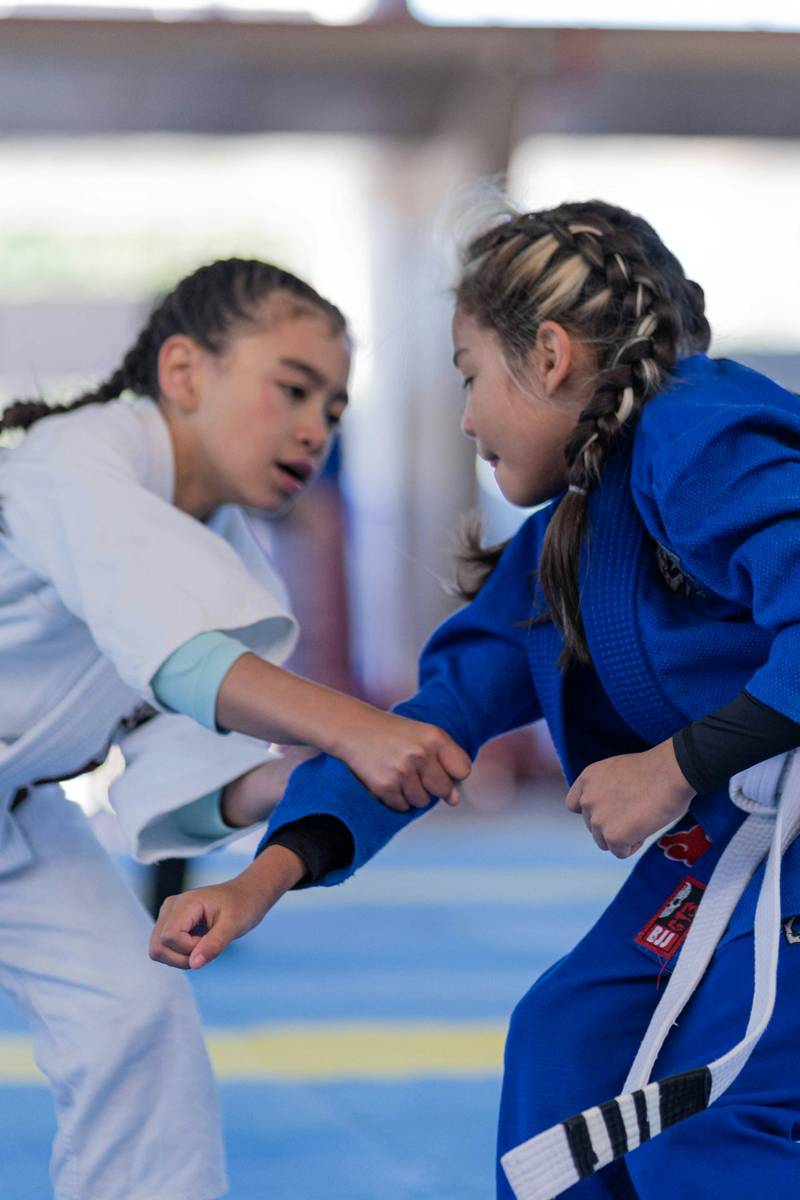
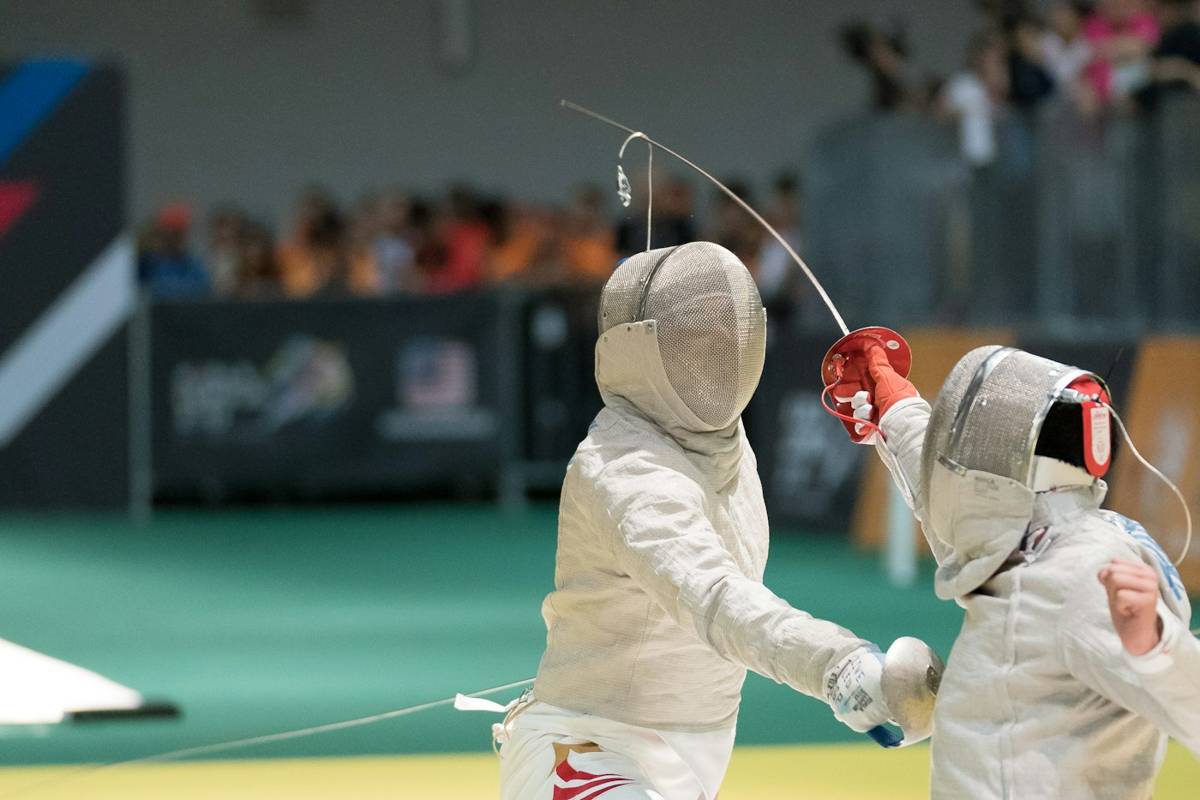
In pictures
A great fit for
- Disciplined, focused children
- Kids drawn to Japanese culture
- Children who like structure and ritual
Think twice if
- Self-defense is your goal
- Your child dislikes loud shouting
- There is no club nearby
Month by month
The first year of Kendo
What a child training about twice a week usually learns. Every school sets its own pace.
- Weeks 1 to 4Etiquette, footwork and swings
Bowing, holding the shinai (bamboo sword), sliding footwork and basic swings, all without armor.
- Months 2 to 3Strikes and kiai
Strikes to the head, wrist and body with a loud kiai, practised on partners and targets.
- Months 4 to 8Armor (bogu)
Children who keep going usually get armor and start receiving strikes. Kyu gradings begin.
- Months 9 to 12Practice matches
Keiko and simple matches in armor, plus the first kata at some dojos.
Safety and contact
Sparring
Begins once a child is in armor, after months of basics.
Head contact
The head is a target, protected by a padded helmet (men).
Common injuries
Bruised arms and wrists, sore feet; low overall.
Ask the school: Ask when children start wearing armor and whether the dojo lends it.
What it costs
Typical US ranges. Prices vary a lot by city and school.
| Monthly fee | $30 to $100 |
|---|---|
| Shinai (bamboo sword) | $30 to $70 |
| Keikogi and hakama | $80 to $150 |
| Armor set (bogu) | $300 to $800, sometimes lent |
Gear and when you need it
Don't buy everything up front. Most of it waits until later.
| Shinai and comfortable clothes | First weeks |
|---|---|
| Keikogi and hakama | After a few months |
| Armor (bogu) | After months of basics |
| Tenugui (head cloth) | With armor |
Signs of a good school
- A dojo registered with a national kendo federation
- A children's class or kids welcome
- Armor lent to beginners
- Strong etiquette and kind seniors
Red flags
- Armor required on day one
- Hard hitting of beginners
- No grading through a recognized body
- Unclear fees
Words you'll hear in class
- Shinai
- Bamboo sword
- Bogu
- Armor
- Men
- Head strike or helmet
- Kote
- Wrist strike
- Do
- Body strike
- Kiai
- Spirited shout
Myths and facts
MythKendo is violent.
FactStrikes land on armor, and the art is built on etiquette and respect.
MythKids use real swords.
FactThey use bamboo shinai; wooden swords are for kata only.
MythThere are colored belts.
FactKendo has kyu and dan grades but no colored belts.
MythIt is only for Japanese families.
FactDojos welcome everyone.
Questions parents ask
What age can kids start kendo?
Many dojos accept children from about 6 to 8.
Is kendo expensive?
Monthly fees are often modest; armor is the big cost, and many dojos lend it at first.
Why do kendo players shout?
The kiai shows spirit and is part of a valid strike.
Find a Kendo class near you
Search by ZIP code, see what's close, and use our checklist when you visit.
Find a classOfficial directories
Start reading
Our guides to Kendo, written for parents.
How it compares
Side-by-side guides for parents weighing Kendo against other styles.
 Choosing a styleBest martial art for kids: an honest comparison for parentsTaekwondo, karate, Brazilian Jiu-Jitsu, judo, kung fu, wrestling and kickboxing compared for children: what each one teaches, starting ages, costs, safety and which kind of child each style suits.
 Your childSafest martial art for kids: injury risk and head contact by styleWhich martial arts are safest for children? Common injuries in each style, head contact and concussion risk, how kids' rules protect young athletes, and the safety questions to ask any school.Choosing a styleMartial arts vs team sports for kids: which is the better choice?Should your child do martial arts or a team sport like soccer or basketball? How they compare for fitness, confidence, social skills, cost, schedules and the kind of child who thrives in each.