| Kendo for kids | |
|---|---|
| Starting age | About 6 to 8 |
| Equipment | Shinai first, armor after months |
| Targets | Head, wrists, body; throat for older students |
| Ranks | Kyu and dan, no colored belts |
| Typical cost | Modest fees; armor $300 to $800 |
Pick by goal
- Loves swords and JapanKendoTradition, etiquette and real sparring.
- Olympic sword sportFencingFast, electric scoring and a college path.
- Budget-consciousA dojo that lends armorSaves the biggest cost while your child tries it.
On this page
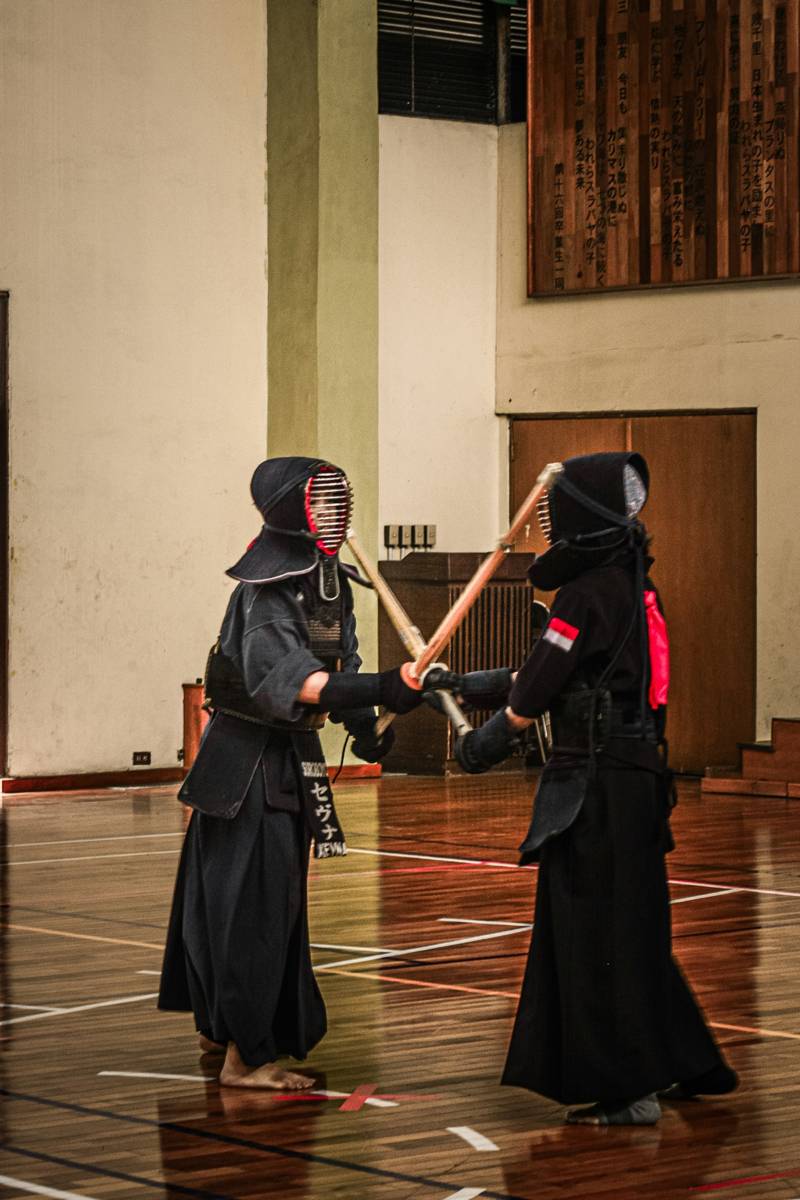
Kendo looks dramatic: two people in armor, bamboo swords raised, shouting as they strike. It is the modern form of Japanese swordsmanship and is practised by millions in Japan, where many children train at school. In the US it is a small, close-knit community, and children who join often stay for life.
What kendo is
Kendo means “the way of the sword”. It developed from the training methods of Japanese sword schools, which introduced bamboo swords and protective armor so that students could strike at full speed safely. Today it is governed internationally by the International Kendo Federation, and in the US by the All United States Kendo Federation (AUSKF) and its regional federations.
Swords and armor
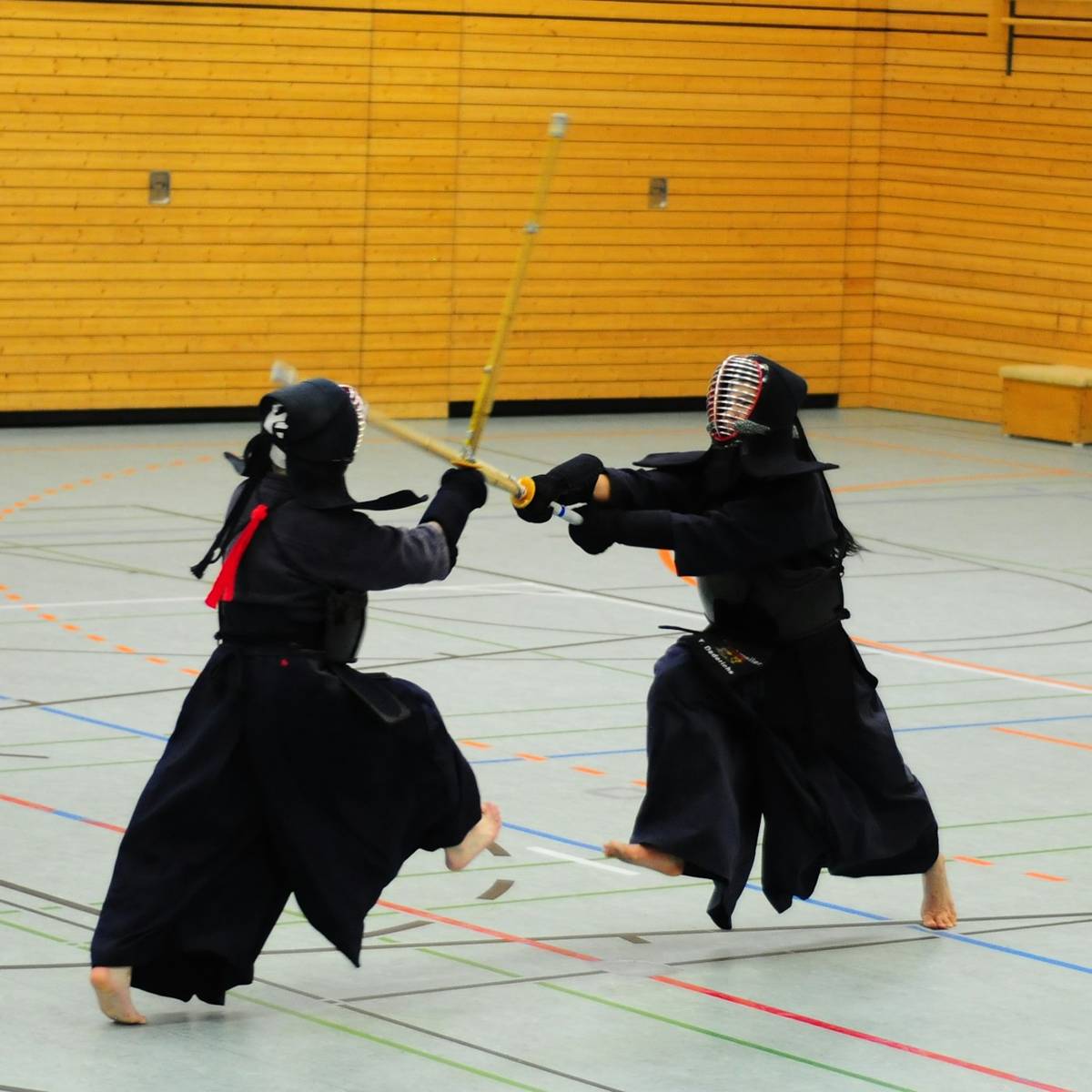
Practitioners use a shinai, a sword made of four bamboo slats bound with leather, and later learn forms with a wooden sword (bokuto). The armor, called bogu, has four parts: the men (helmet with face grille), kote (padded gloves), do (chest protector) and tare (hip and groin protector). Under the armor, kendoka wear a jacket (keikogi) and wide pleated trousers (hakama).
How scoring works
A point (ippon) is awarded for a strike to the head, wrists or torso, or a thrust to the throat for advanced adults, but only when it shows ki-ken-tai-ichi: spirit, sword and body working as one. That means a loud shout (kiai) naming the target, a correct strike with the right part of the shinai, good posture and follow-through. Three referees judge each point. Matches are usually first to two points. Thrusts to the throat are not allowed for children.
What kids’ classes look like
Beginners train without armor for several months, learning etiquette, posture, footwork and basic strikes against a partner or a target. Once they wear bogu, they join drills and practice matches. Classes are formal and disciplined, with bowing and a strong sense of respect, and children often train alongside adults.
Ranks and gradings
Kendo uses kyu grades below black belt and dan grades above, but no colored belts. Gradings are formal examinations of technique, kata and spirit, held a few times a year by the regional federation. Children often earn kyu ranks, with first dan available from the mid-teens.
Safety
Kendo is safe when taught well. Strikes go to padded targets, coaches control the intensity of children’s practice and partners are matched sensibly. Bruises on the forearms and sore feet from barefoot footwork are the most common complaints.
Costs
Many kendo dojos are nonprofit clubs with modest fees. The main expense is equipment: a shinai is inexpensive, but a full set of bogu for a child usually costs several hundred dollars. Many dojos lend armor to beginners.
Kendo or fencing?
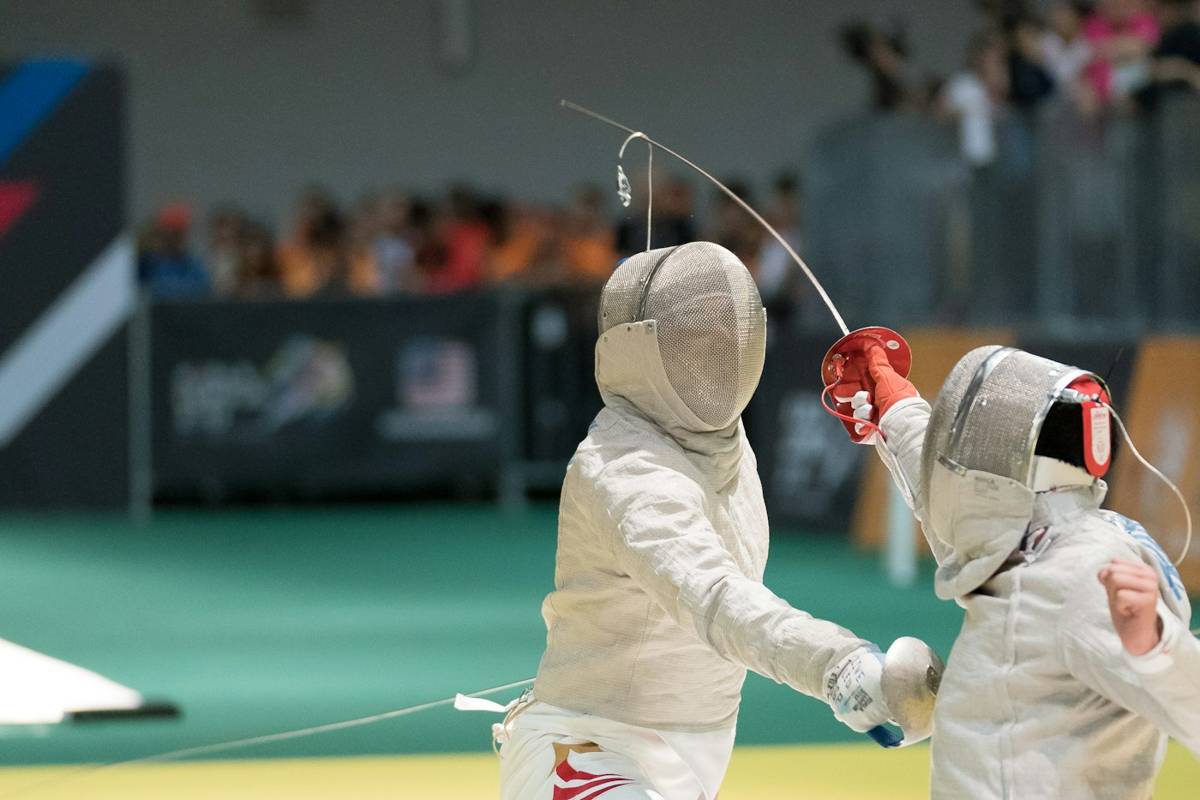
Both are sword sports, but they feel very different. Fencing is fast and light, with electric scoring, thin blades and lots of footwork along a strip; it is an Olympic sport with a clear competitive path and college teams. Kendo is heavier and more traditional, with bamboo swords, full armor, strong etiquette and a loud kiai that must accompany every valid strike. A kendo point needs spirit, posture and follow-through as well as contact, which makes it about character as much as speed. Children who love Japanese culture and ceremony tend to love kendo; children who want quick results and competition often prefer fencing. See our kendo profile and fencing profile.
Is kendo right for your child?
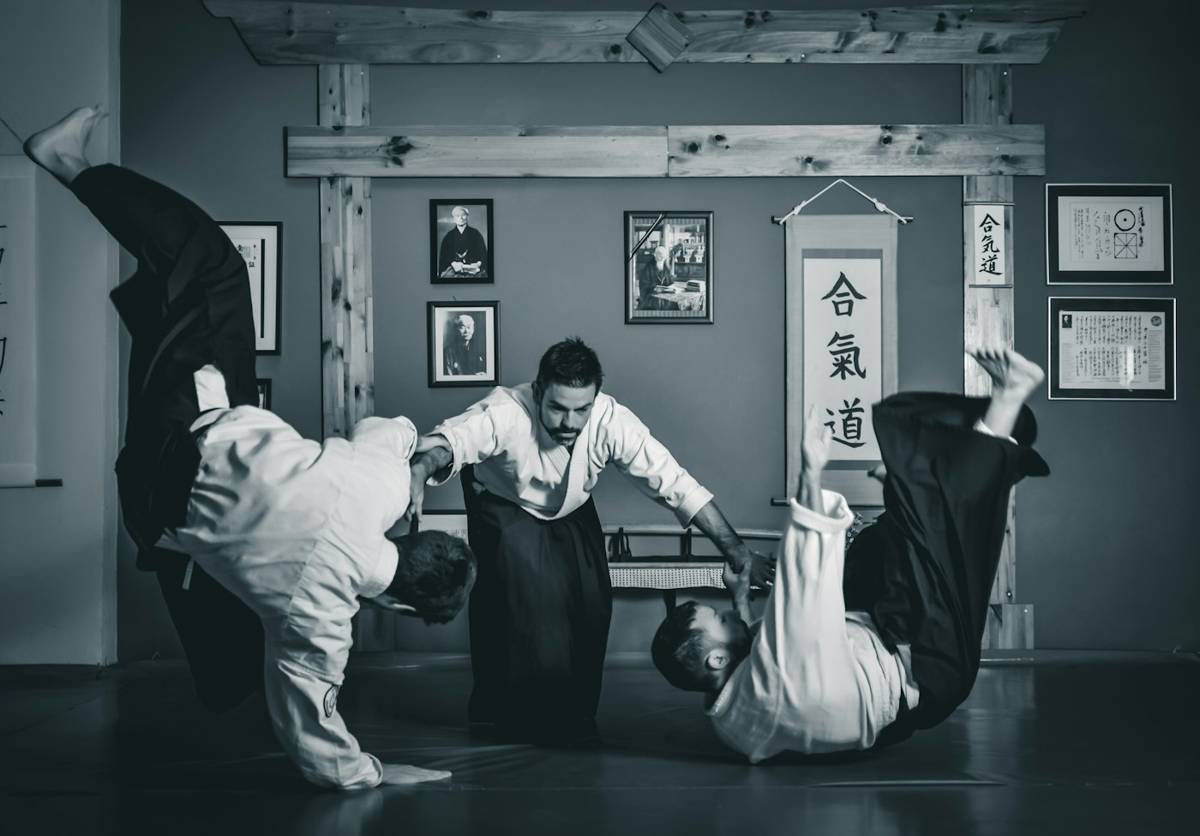
Kendo suits focused, disciplined children who enjoy tradition and are not put off by loud shouting. It does not teach empty-hand self-defense. To compare it with other Japanese arts, see judo, karate and aikido, and for the wider picture read the best martial art for kids.
For the facts at a glance, a parent scorecard and what a typical class looks like, see our Kendo profile.
Questions parents and students ask
What age can kids start kendo?
Many dojos accept children from about six to eight. Beginners train without armor for months, learning footwork, posture and basic strikes before wearing bogu.
Is kendo safe for children?
Yes, when taught well. Strikes go to padded target areas while wearing armor, and coaches control intensity for children. Bruises on the arms are the most common complaint.
Does kendo have belts?
No. Kendo uses kyu and dan grades awarded at formal gradings, but practitioners do not wear colored belts. Rank is shown by certificates, not the uniform.