Fencing
foil, epee and sabre
Olympic sword sport of speed, timing and strategy, in full protective gear.
- Comes from
- Europe
- Type
- Sword sport
- Usual start
- About 7 to 9
- Olympic
- Yes, since 1896
- Typical cost
- Mid to high, plus equipment
- Ranks
- Ratings from results (A to E, U)
In one minute
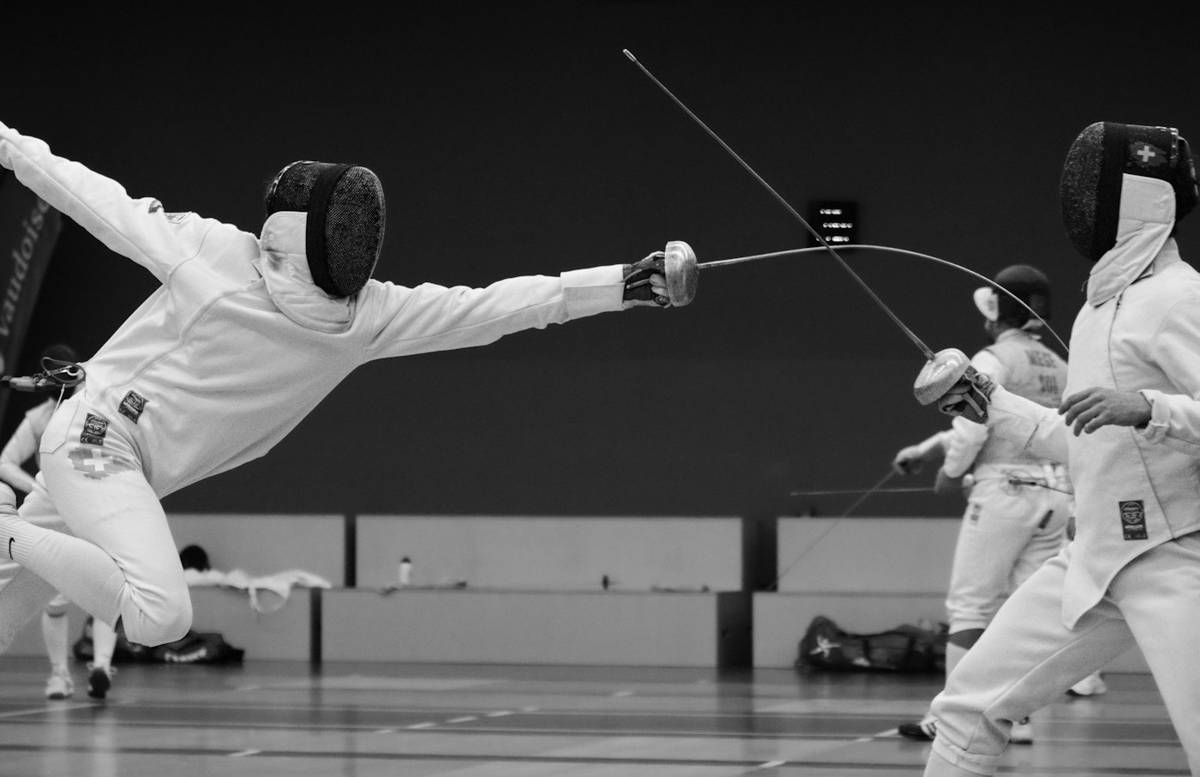
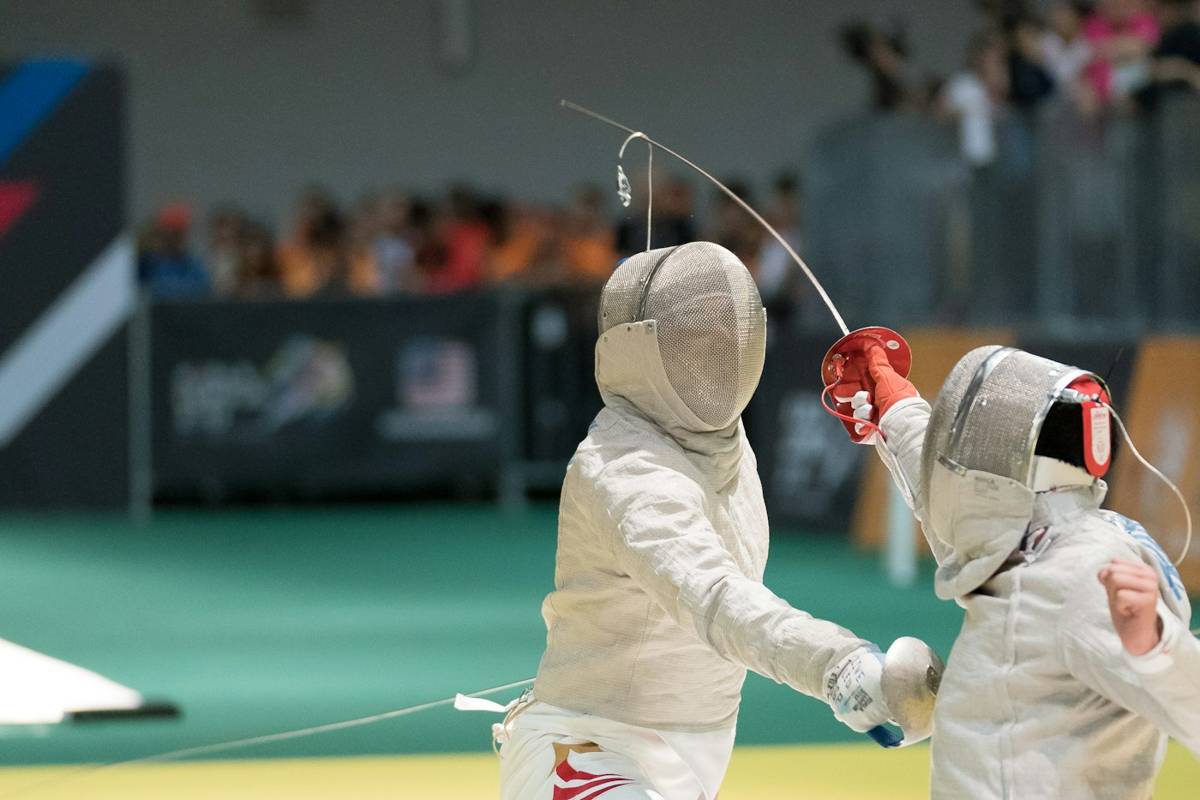
Fencing is one of the original modern Olympic sports. Fencers wear a mask, jacket and glove and score touches with one of three weapons: foil, epee or sabre, each with its own target area and rules.
It rewards quick thinking, footwork and patience more than size or strength, and the protective gear and electronic scoring make it one of the safest combat sports for children.
Inside a class
What a class looks like
A typical 60 to 90 minute youth class, minute by minute.
- 10 minWarm up and footworkAdvances, retreats and lunges
- 15 minBlade workParries, attacks and distance
- 15 minLessons and drillsCoach or partner exercises
- 20 minBoutingPractice bouts with scoring
About 60 minutes in all.
Ratings and progress
In the US, fencers earn letter ratings from A (highest) down to E, or U for unrated, based on competition results. Clubs may use their own levels for young beginners.
- 1BeginnerFootwork, safety and basic attacks
- 2Club fencerBouting and local youth events
- 3Rated fencerRatings earned at sanctioned tournaments
- 4National levelYouth and junior national events
In pictures
A great fit for
- Quick-thinking, strategic kids
- Children who dislike being hit or grabbed
- Kids who want an Olympic sport
Think twice if
- Budget is tight
- Self-defense is your goal
- There is no club within reach
Month by month
The first year of Fencing
What a child training about twice a week usually learns. Every school sets its own pace.
- Weeks 1 to 4Footwork and the en garde
Advances, retreats and lunges without a weapon, then holding the weapon and basic target areas.
- Months 2 to 3First bouts in full gear
Simple attacks and parries, then short bouts with a coach watching. Many clubs start with foil.
- Months 4 to 8Electric scoring
Fencing with the electric scoring box and learning the rules. Some children try a first local tournament.
- Months 9 to 12Tactics and first rating
Tactics, distance and timing. Results at sanctioned events can earn a rating, from E up to A.
Safety and contact
Sparring
Bouts start early, always in full protective gear.
Head contact
The mask is a target in epee and sabre, but it is built to take hits safely.
Common injuries
Bruises from hits and muscle strains; serious injuries are rare.
Ask the school: Ask which weapon the club teaches beginners and whether starter gear is lent.
What it costs
Typical US ranges. Prices vary a lot by city and school.
| Monthly fee | $150 to $350 |
|---|---|
| Beginner course | $150 to $300 |
| Starter gear set | $250 to $500 |
| National membership | Yearly fee for competing |
Gear and when you need it
Don't buy everything up front. Most of it waits until later.
| Athletic clothes | Beginner course, club lends gear |
|---|---|
| Glove, mask, jacket | After the beginner course |
| Weapon and body cord | When fencing electric |
| Knickers and long socks | For tournaments |
Signs of a good school
- Coaches certified by a national fencing body
- A beginner course with gear included
- Clear safety rules and checked equipment
- A friendly mix of recreational and competitive fencers
Red flags
- Pressure to buy full gear on day one
- Children fencing without proper masks
- Little coaching, just open bouting
- Fees that are unclear
Words you'll hear in class
- En garde
- Ready position
- Allez
- Fence (start)
- Halte
- Stop
- Lunge
- Long attacking step
- Parry
- Blocking the blade
- Piste
- The fencing strip
Myths and facts
MythFencing is dangerous.
FactWith proper gear it is one of the safest combat sports.
MythIt is only for rich families.
FactIt can be costly, but many clubs lend gear and run low-cost programs.
MythIt is not a real workout.
FactBouts are fast and footwork is very demanding on the legs.
MythLeft-handers have no chance.
FactLefties often have an advantage, as opponents rarely face them.
Questions parents ask
What age can kids start fencing?
Many clubs start children around 7 to 9, some with younger classes using plastic weapons.
Which weapon should my child start with?
Many clubs start with foil; others start with the weapon they specialize in. Children can switch later.
Is fencing good for college?
Many US colleges have fencing teams, and strong results can help applications.
Find a Fencing class near you
Search by ZIP code, see what's close, and use our checklist when you visit.
Find a classOfficial directories
Start reading
Our guides to Fencing, written for parents.
How it compares
Side-by-side guides for parents weighing Fencing against other styles.
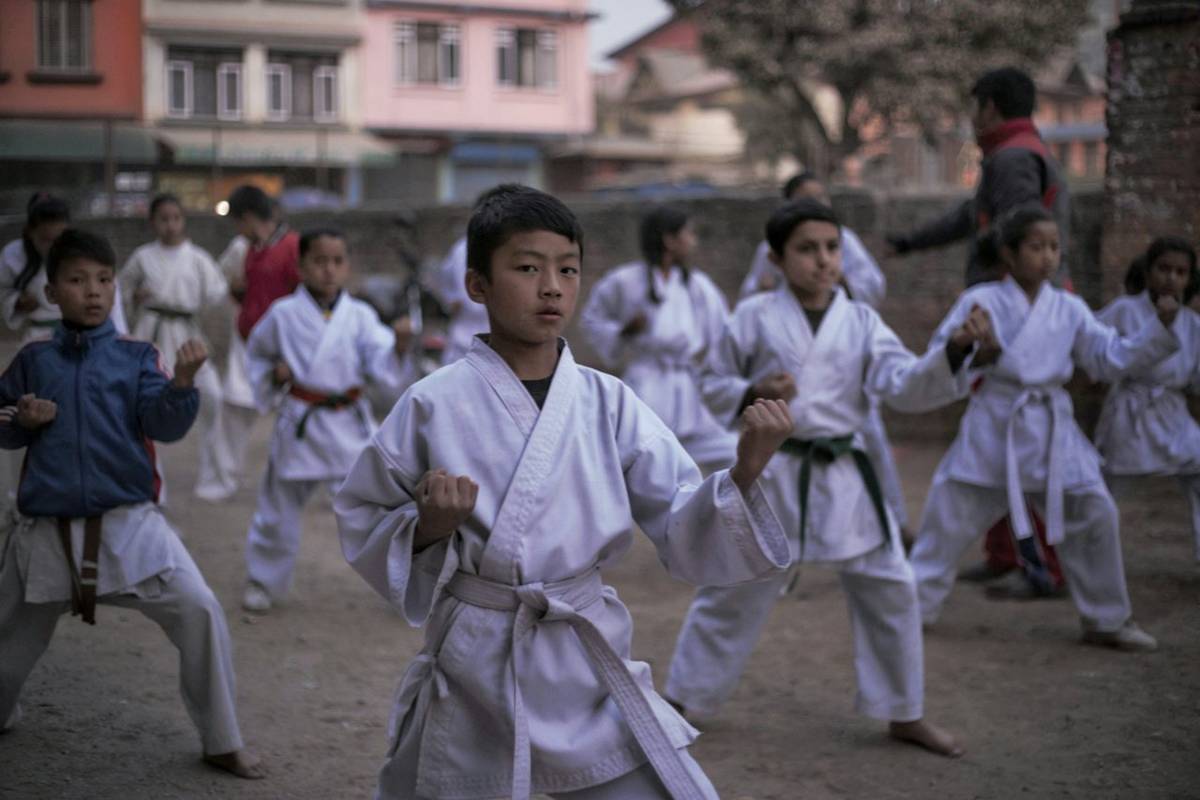 Choosing a styleBest martial art for kids: an honest comparison for parentsTaekwondo, karate, Brazilian Jiu-Jitsu, judo, kung fu, wrestling and kickboxing compared for children: what each one teaches, starting ages, costs, safety and which kind of child each style suits.
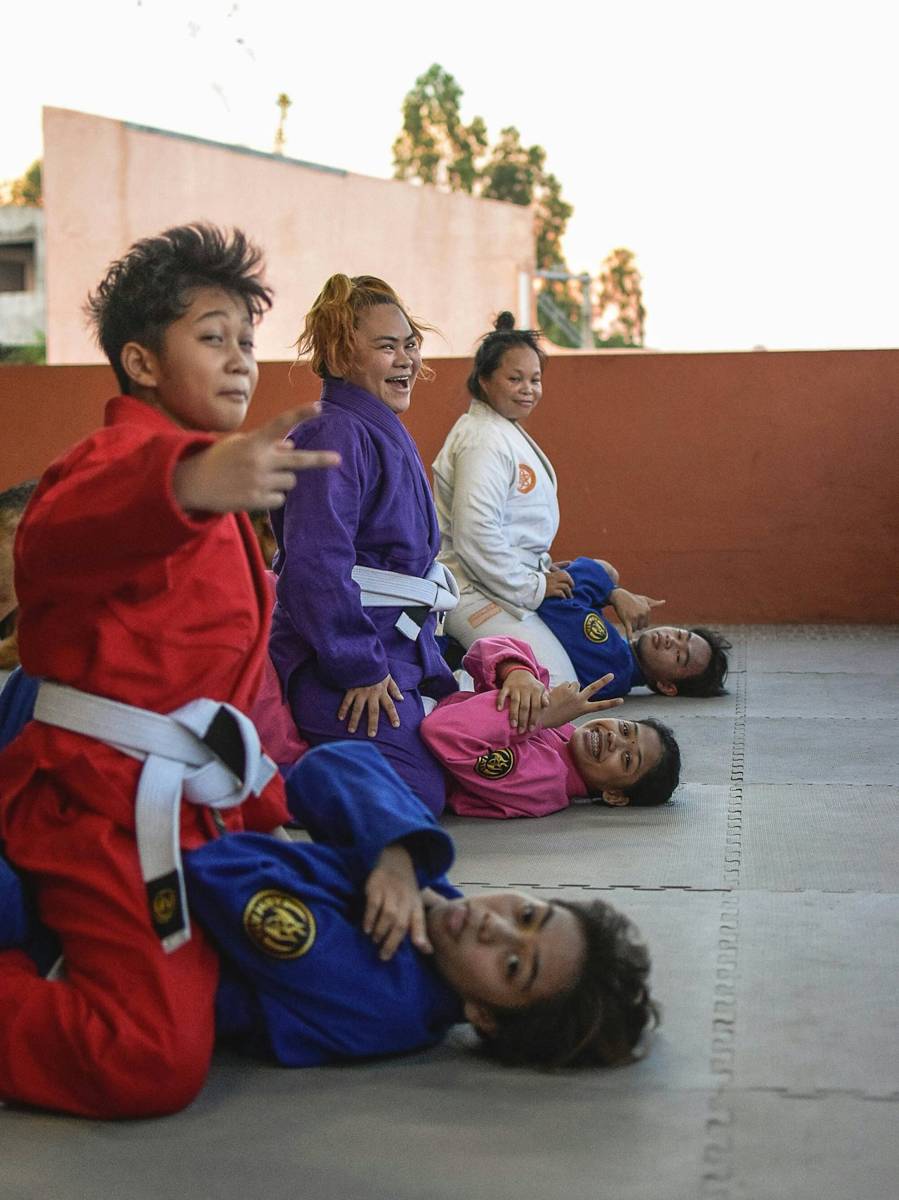 Your childSafest martial art for kids: injury risk and head contact by styleWhich martial arts are safest for children? Common injuries in each style, head contact and concussion risk, how kids' rules protect young athletes, and the safety questions to ask any school.Choosing a styleMartial arts vs team sports for kids: which is the better choice?Should your child do martial arts or a team sport like soccer or basketball? How they compare for fitness, confidence, social skills, cost, schedules and the kind of child who thrives in each.