| Martial arts | Team sports | |
|---|---|---|
| Progress | Personal: belts and skills, at your own pace | Shared: team results and playing time |
| Attention | Every child practises the whole class | Some children sit on the bench |
| Social side | Respect, partners, mixed ages | Teamwork, friendships, group identity |
| Schedule | Year round, flexible class times | Seasonal, fixed practices and weekend games |
| Self-defense | Yes, varies by style | No |
| Typical cost | About $100 to $250 a month at commercial schools | Often less per season; travel teams cost more |
Pick by goal
- Shy or overlooked on teamsMartial artsIndividual progress, no bench.
- Social, loves a groupTeam sportShared goals and team friendships.
- Busy family scheduleMartial artsMultiple class times each week.
- Tight budgetTeam sportRec leagues are often cheap per season.
On this page
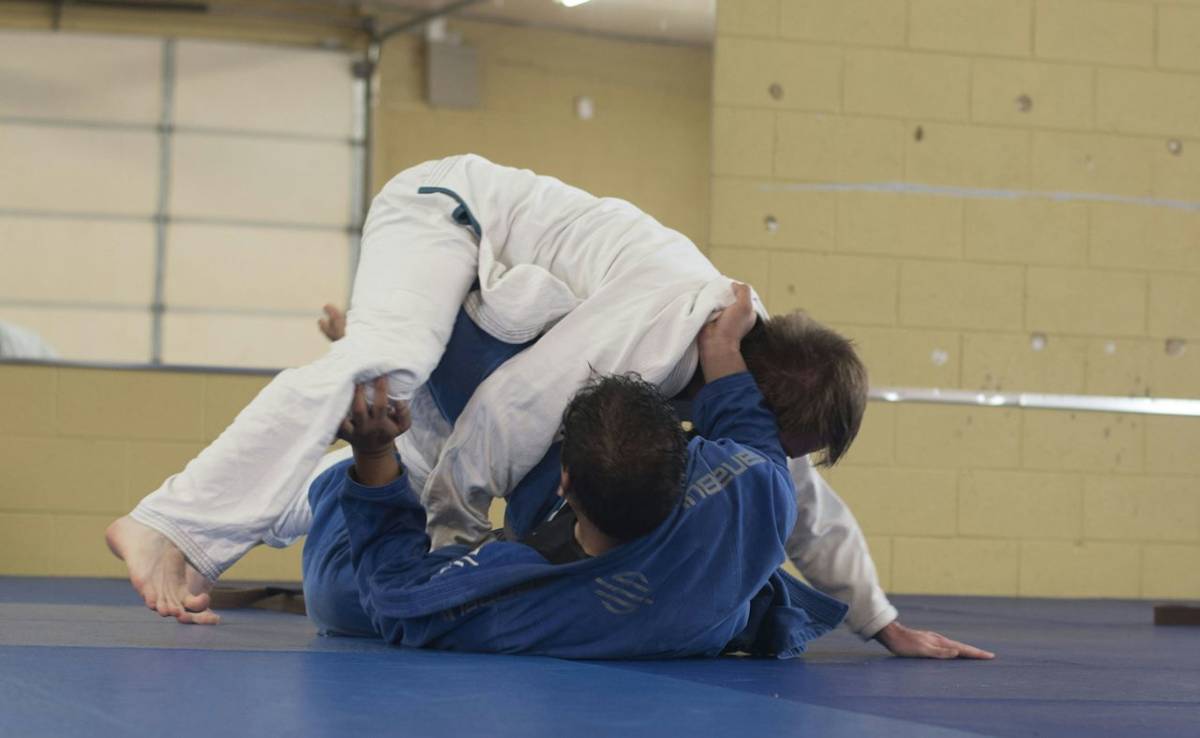
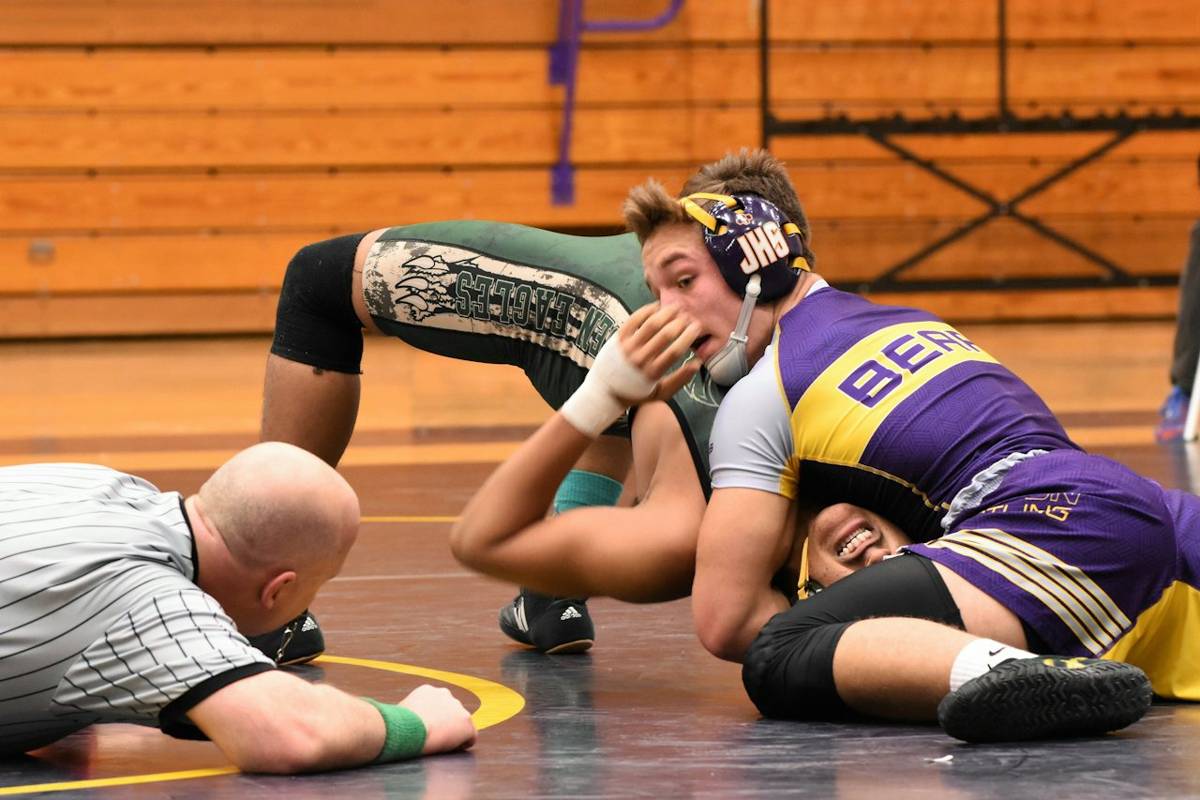
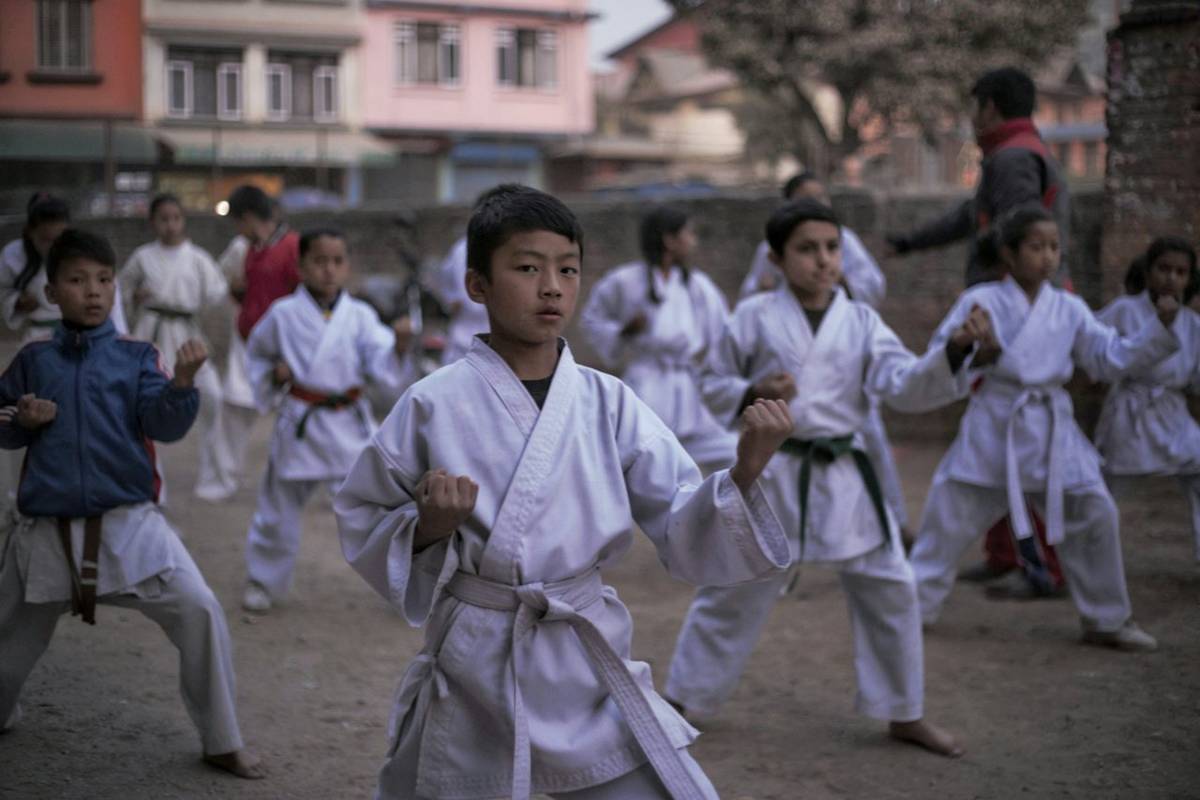
For many families, the real question is not which martial art but whether to choose martial arts at all, or put the time and money into soccer, basketball, baseball or swimming instead. Both are good for children. They just offer different things, and children tend to thrive clearly in one or the other.
Progress you can see
In martial arts, progress is personal. A child moves through belts at their own pace, and the measure is their own last test, not whether the team won on Saturday. Belts and stripes make that progress visible, which is very motivating for many children. Our guide to belt tests explains how it works.
In team sports, progress is shared. The rewards are team wins, playing time and being part of something bigger. Some children love that; others feel invisible, especially if they are not among the stronger players.
Attention and participation
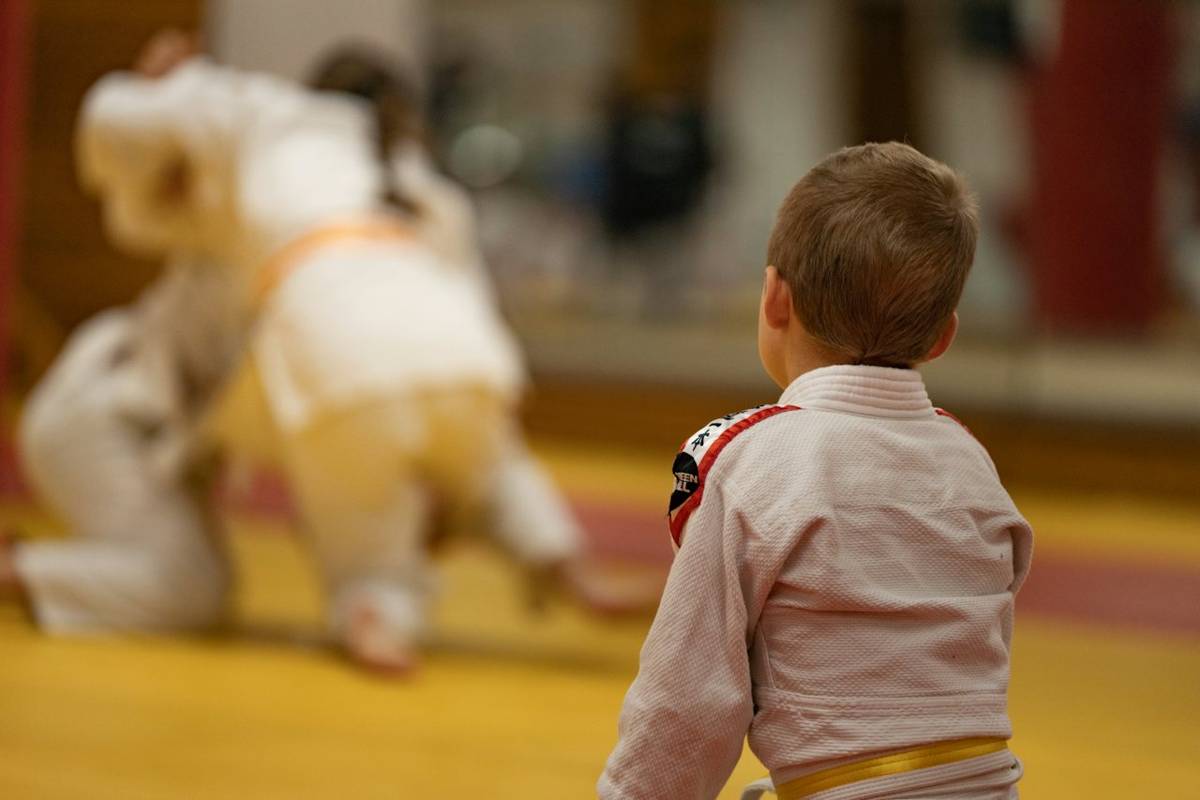
In a good martial arts class, every child practises for the whole class. Nobody sits on the bench, and instructors usually know every child by name. In team sports, playing time often goes to the stronger players as children get older, and a less confident child can spend a lot of time watching. That difference alone is why many parents of shy or less sporty children find martial arts a better fit.
Social skills
Team sports are hard to beat for teamwork: shared goals, passing the ball, winning and losing together and friendships that form around the team. Martial arts build social skills differently: respect for instructors and partners, training with children of different ages, helping newer students and handling nerves at a test in front of others. Both teach children to listen to a coach and keep going when things are hard.
Fitness and skills
Both build fitness. Team sports develop running, agility and sport-specific skills. Martial arts develop balance, coordination, flexibility and body control, which carry over to almost every other sport. Martial arts also teach some degree of self-defense, depending on the style.
Schedules and seasons
Team sports usually run in seasons, with fixed practices and games, often on weekends. Martial arts schools run all year and usually offer several class times each week, so families can fit them around school, siblings and other activities. That flexibility is a big practical advantage for busy households.
Cost
Recreational team sports are often cheap per season, though travel and club teams can cost far more than any martial arts school. Commercial martial arts schools typically charge around $100 to $250 a month for children, plus testing fees and gear; community programs and judo or wrestling clubs cost less. Our cost calculator adds up the real yearly total.
Which is right for your child?
A team sport is a great fit for a social child who loves being part of a group and enjoys competing together. Martial arts are often a better fit for children who feel overlooked on teams, who like personal goals, or who need confidence, focus or self-defense skills. Many children do both, which works well. If you are leaning toward martial arts, our quiz suggests which style fits, and our comparison of the styles explains the options.
Questions parents and students ask
Are martial arts good for kids who are bad at sports?
Often, yes. Progress is measured against your own last test, not against teammates, and every child gets the same practice time. Many children who dislike team sports find martial arts the first activity where they feel capable.
Can kids do martial arts and a team sport?
Yes, and many do. Martial arts improve balance, coordination and flexibility that help in other sports. Because classes run on several days, it is usually easy to fit them around a team schedule.
Do martial arts teach teamwork?
In a different way. Children work with partners, help newer students and support each other at tests, but there is no shared scoreboard. Some schools also run demonstration or competition teams for children who want that group feeling.