Kids MMA
mixed martial arts
Striking, wrestling and jiu-jitsu in one class. Best for older kids, with careful contact rules.
- Comes from
- Worldwide
- Type
- Striking and grappling
- Usual start
- Often 8+, ideally teens
- Olympic
- No
- Typical cost
- $120 to $250 a month
- Ranks
- Gym-specific or none
In one minute
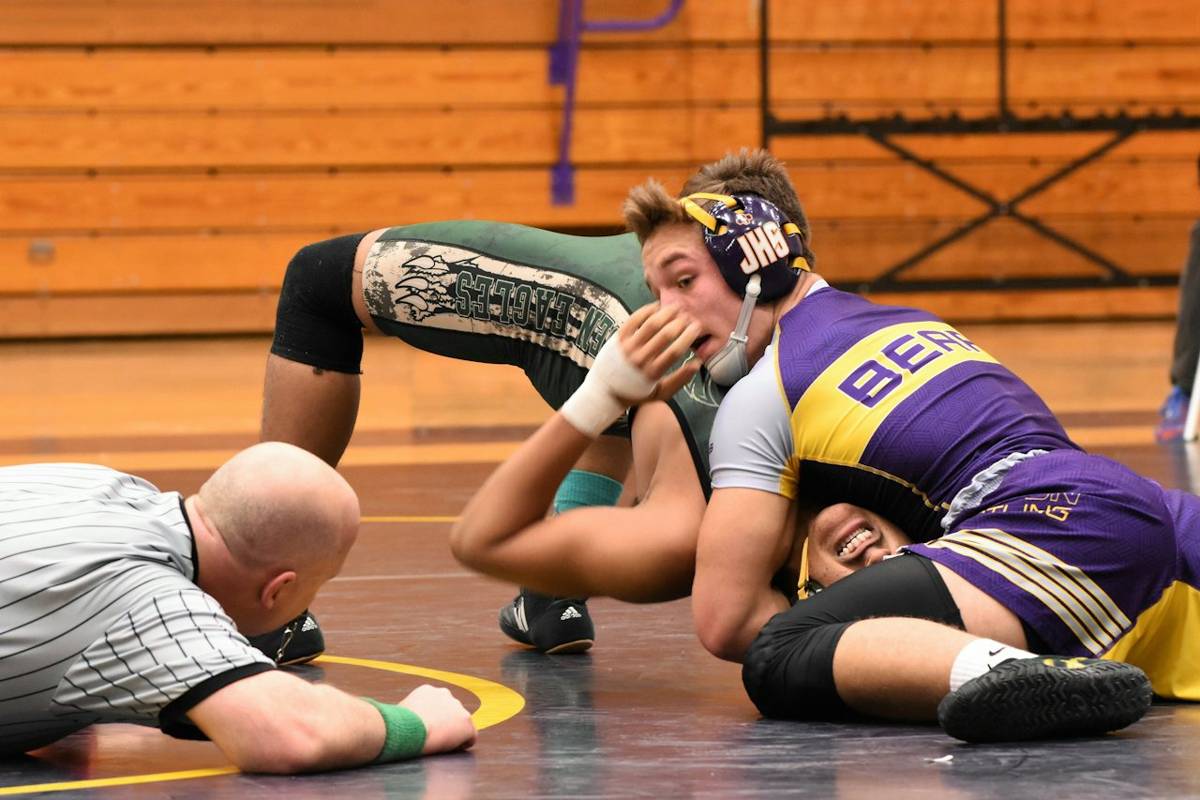
Kids MMA classes mix striking on pads, wrestling-style takedowns and jiu-jitsu on the ground. The variety keeps children busy and is a big part of the appeal.
Kids MMA is not standardized, so quality and contact rules vary widely. Most experienced coaches suggest building a base in one art, usually BJJ or wrestling, and adding striking in the early teens.
Inside a class
What a class looks like
A typical 60 minute kids class, minute by minute.
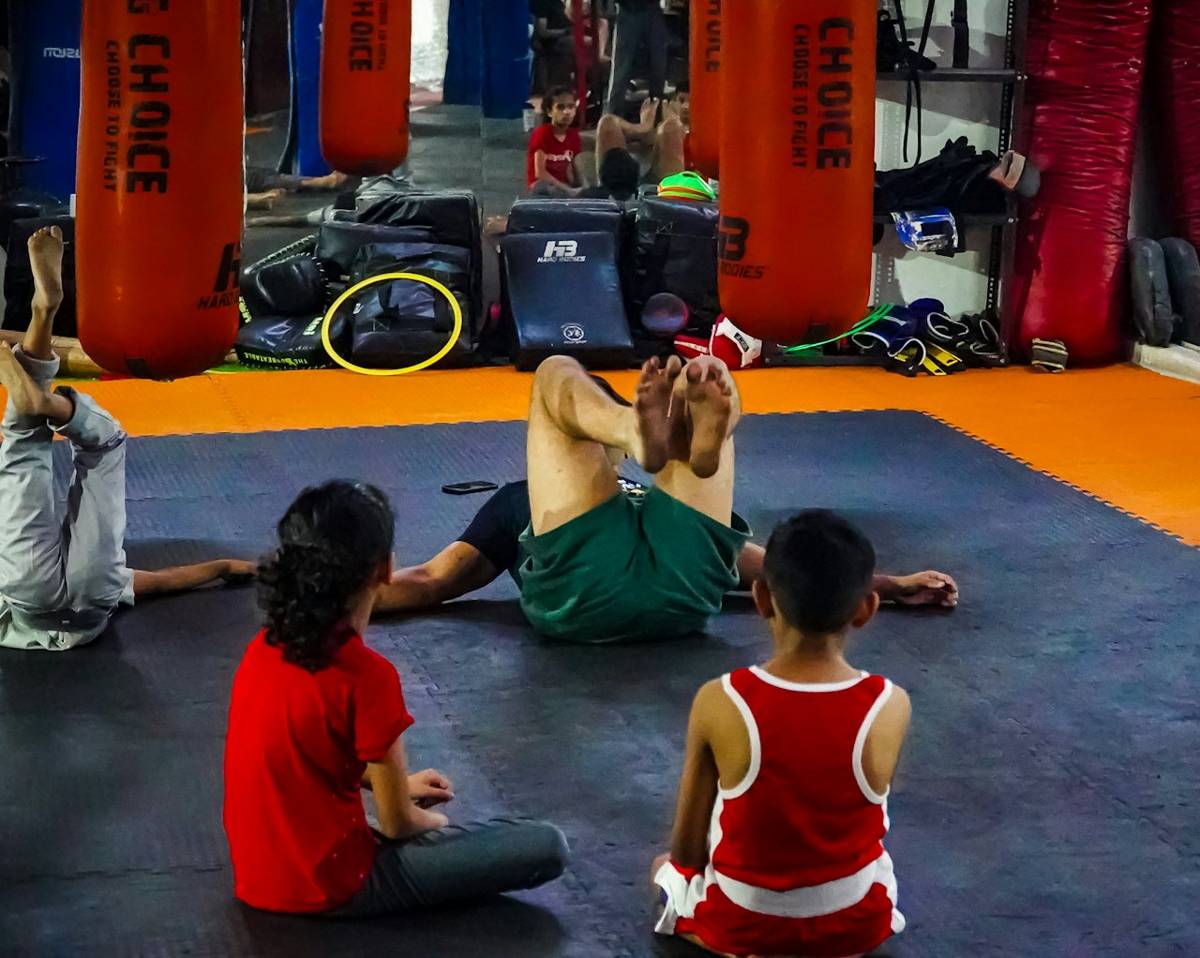
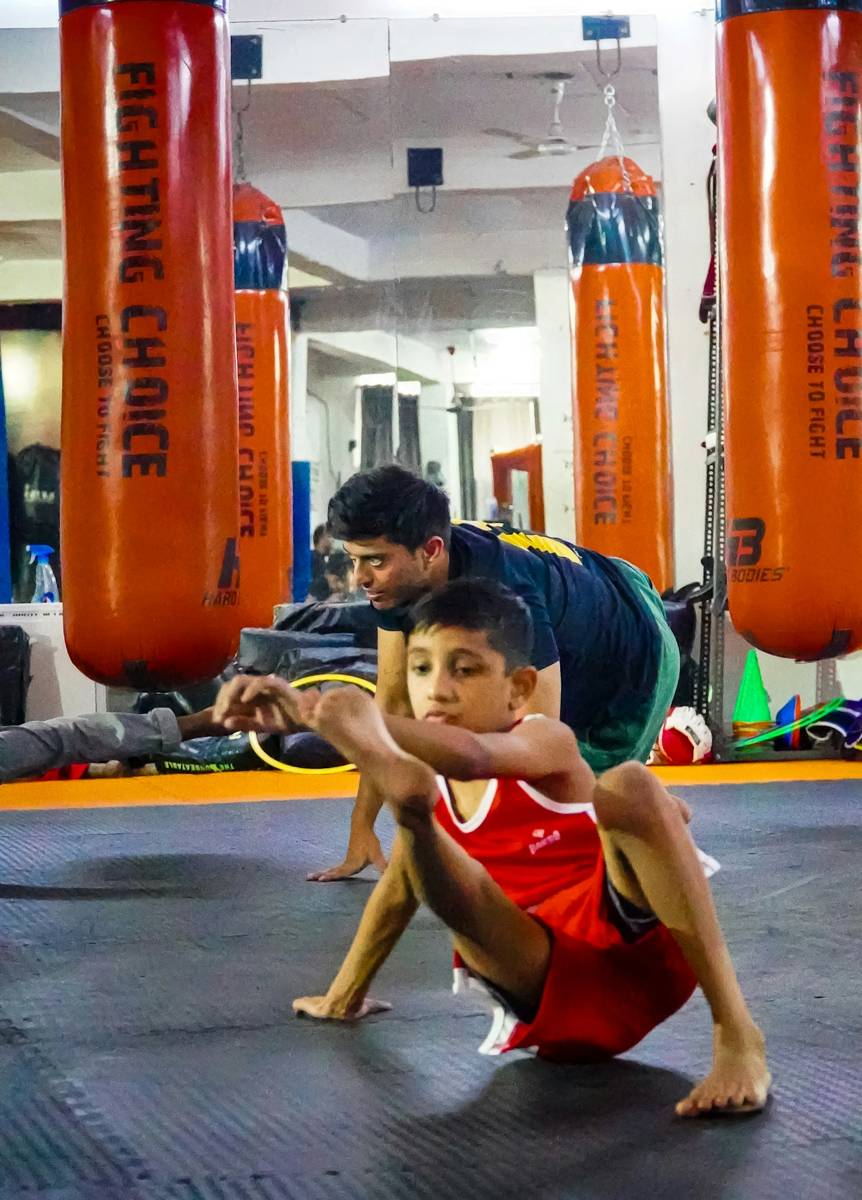
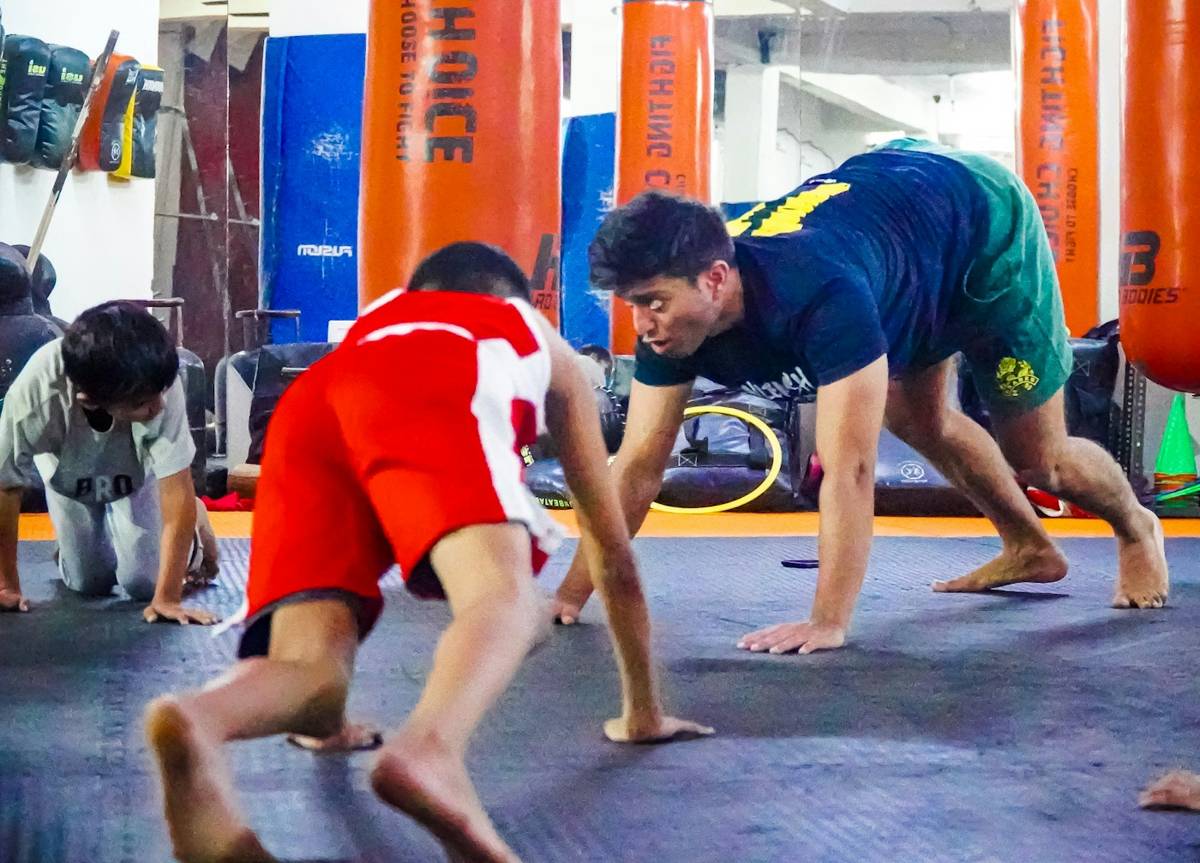
- 10 minWarm upMovement drills and agility
- 15 minStrikingCombinations on pads and bags
- 15 minTakedownsWrestling entries and sprawls
- 15 minGround workPositions, escapes and positional rolling
- 5 minCool downStretching and review
About 60 minutes in all.
Progress
There is no standard belt system. Some gyms invent their own levels, others track progress informally.
- 1FoundationsStance, basic strikes, sprawls and escapes
- 2Combining skillsStrikes to takedowns, top control
- 3Controlled sparringPositional rounds, light striking to the body
- 4Teen programAdult-style training with careful limits
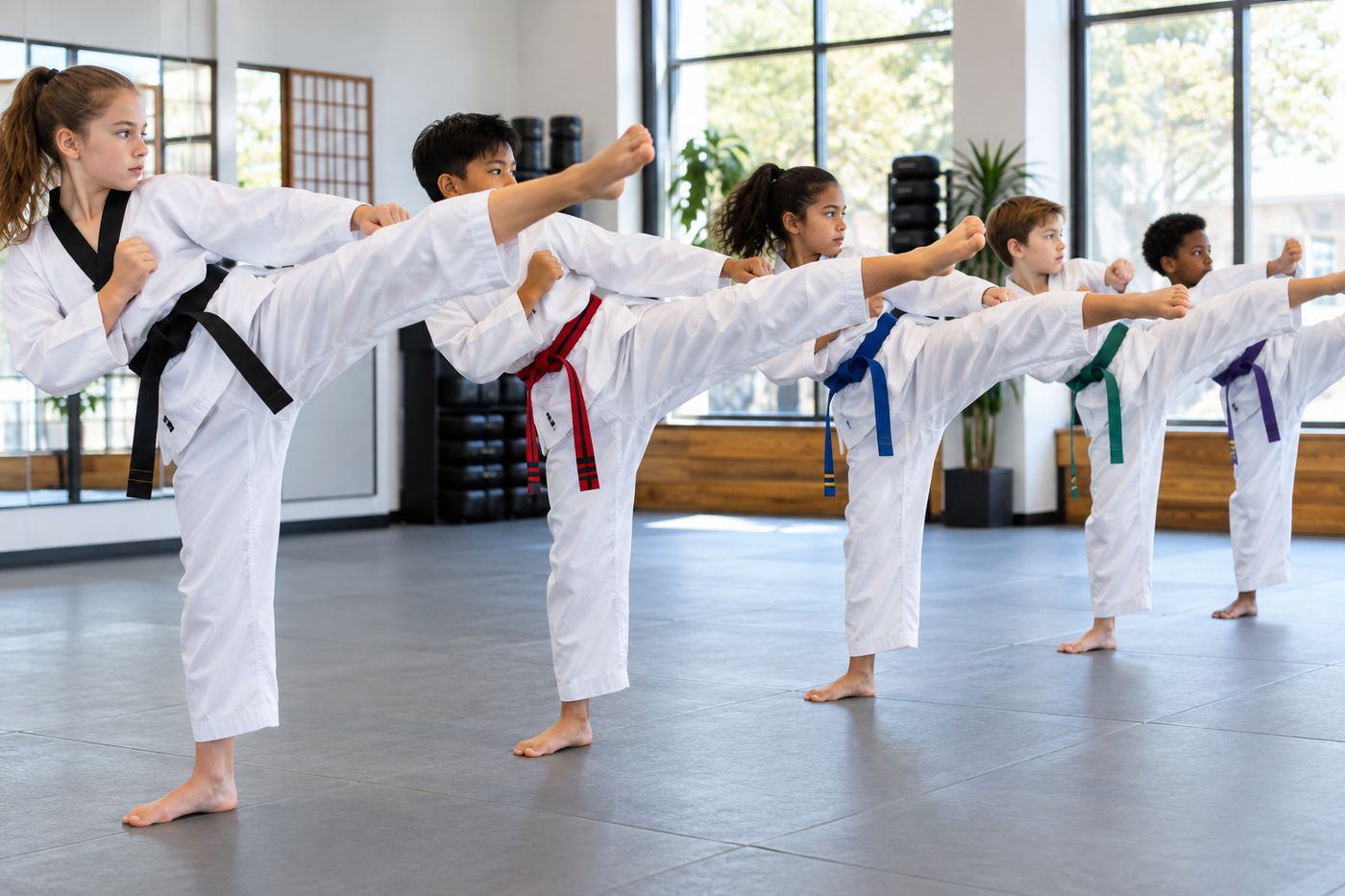
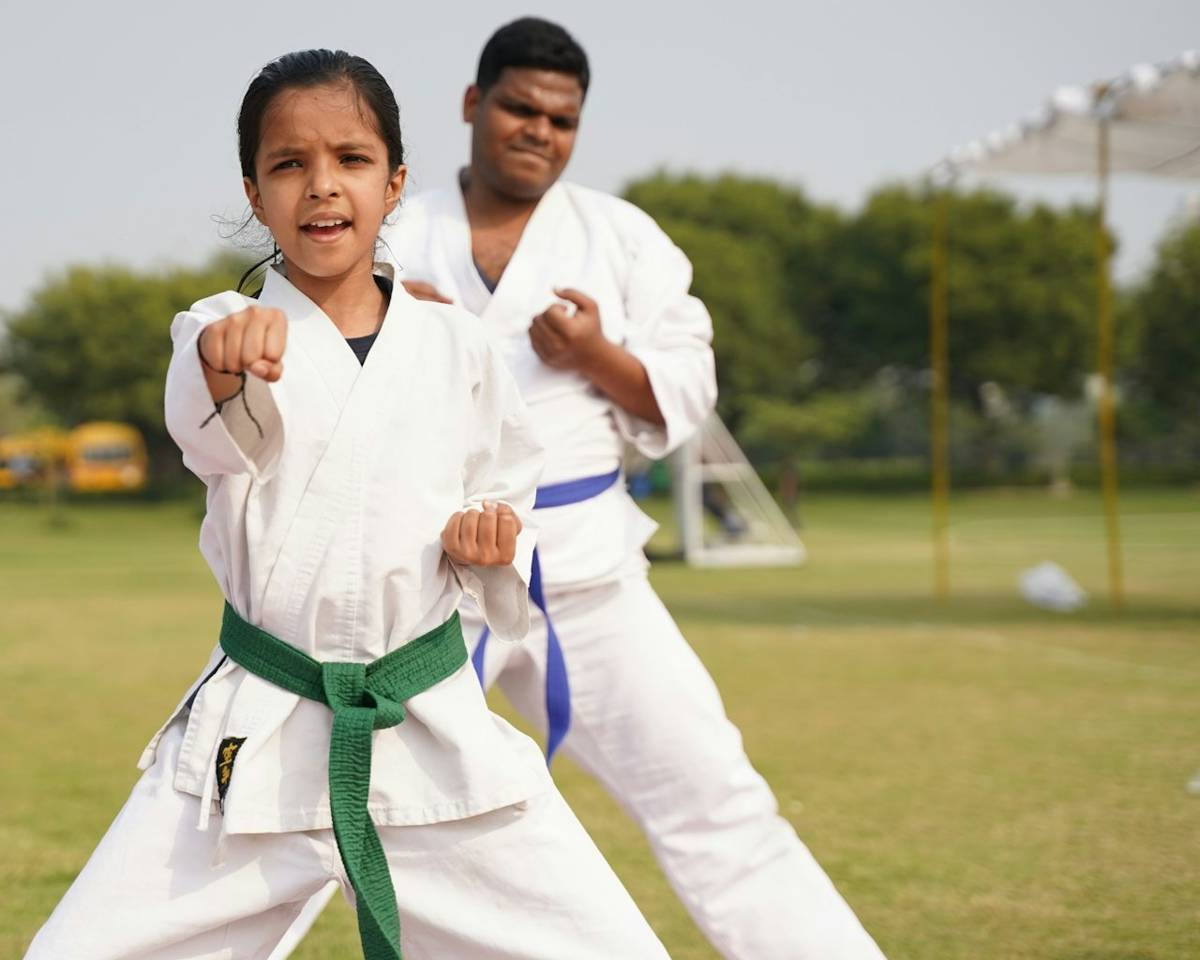
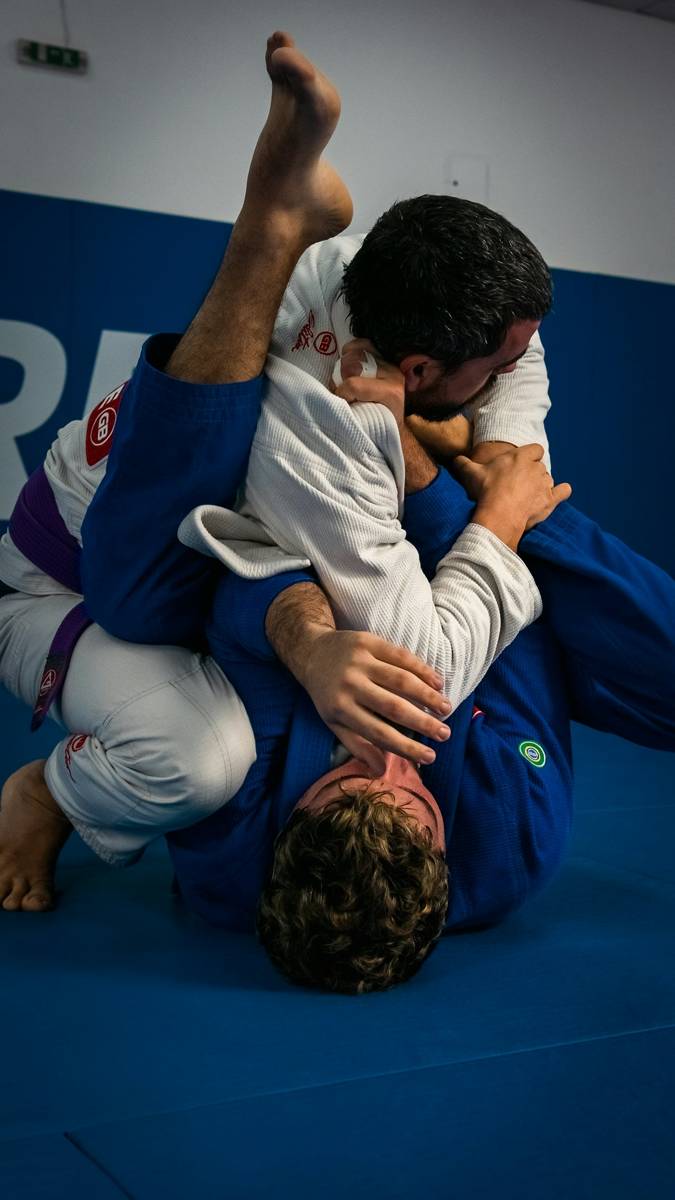
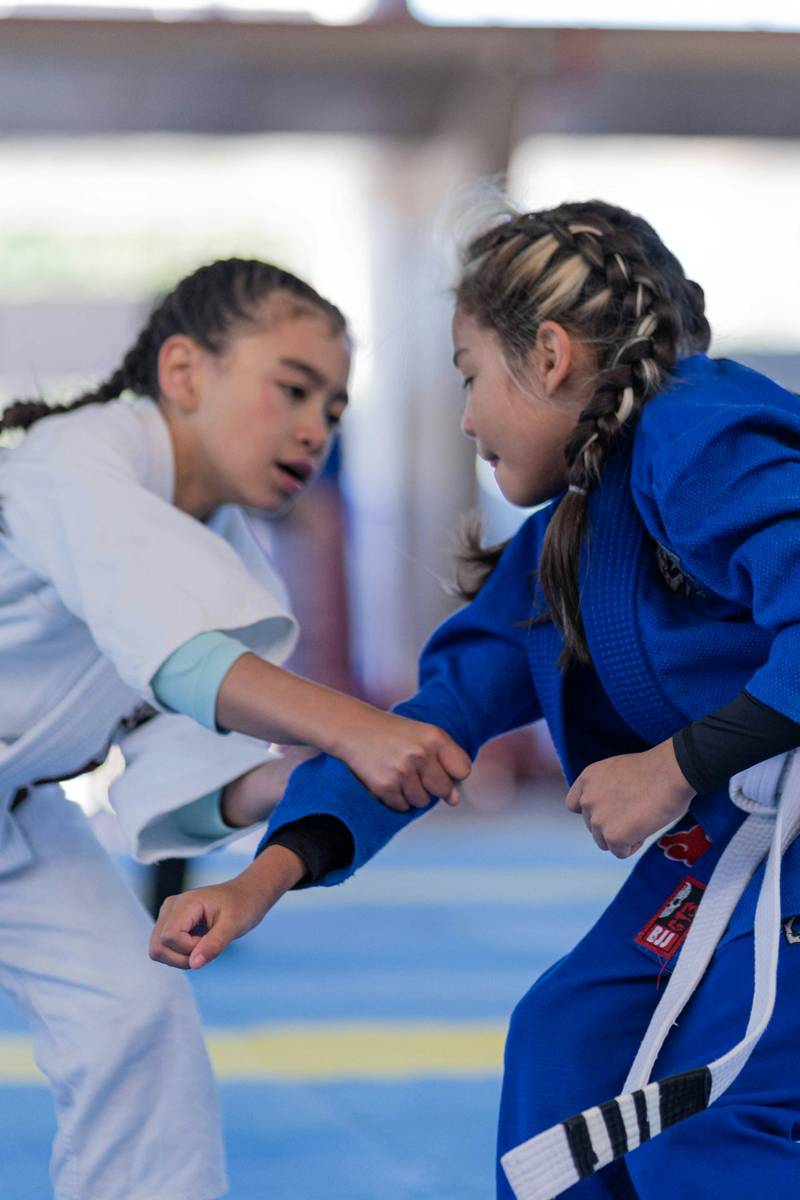
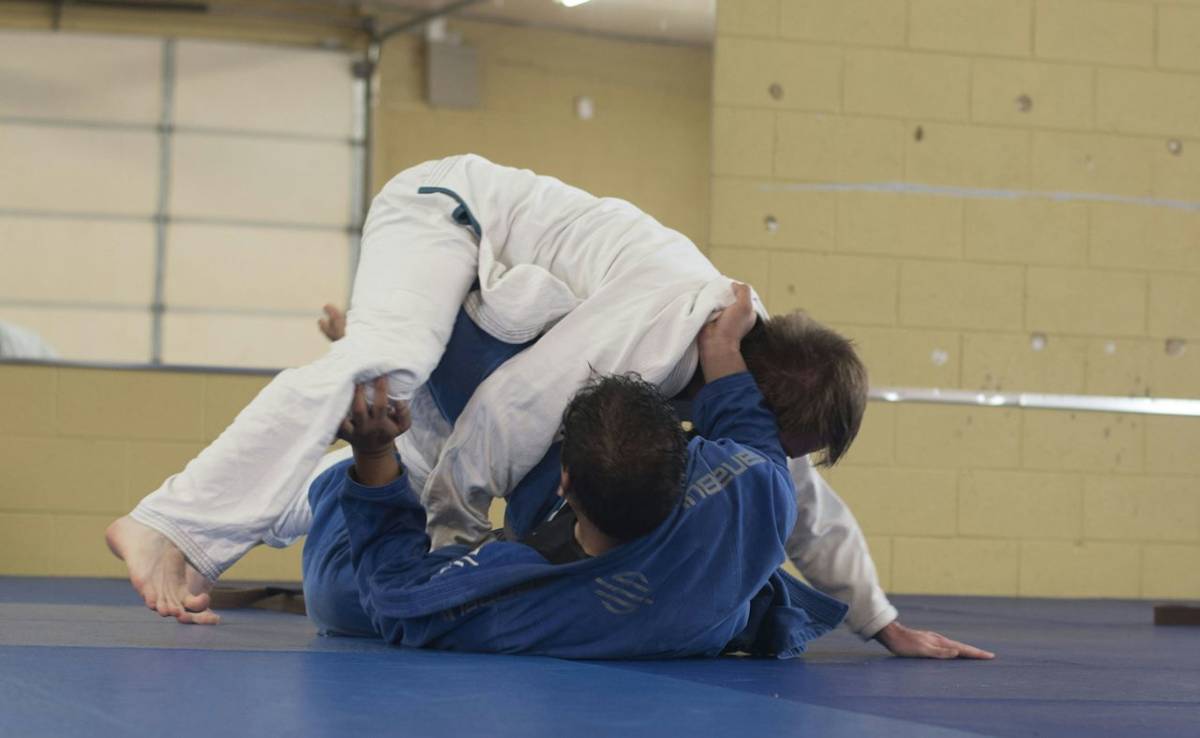
In pictures
A great fit for
- Teens with a grappling or striking base
- Kids who love variety
- Very active, competitive children
Think twice if
- Your child is under about 10
- Head strikes are allowed for kids
- You want clear belts and structure
Month by month
The first year of Kids MMA
What a child training about twice a week usually learns. Every school sets its own pace.
- Weeks 1 to 4Stance, movement and falling
A fighting stance, basic punches and kicks on pads, and how to fall safely. Plenty of fitness games.
- Months 2 to 3Takedowns and ground basics
Simple wrestling takedowns, staying on top and the first jiu-jitsu positions and escapes.
- Months 4 to 8Linking it together
Moving from striking to clinch to ground, plus positional grappling rounds with partners.
- Months 9 to 12Light, controlled sparring
Older kids may do light, supervised sparring in full gear. Many youth programs keep striking contact to the body only.
Safety and contact
Sparring
Grappling rounds come early; any striking sparring should be light, supervised and in full gear.
Head contact
Many youth programs ban head strikes in sparring. Ask before you join.
Common injuries
Mat burns, sprains, bruises and occasional knocks.
Ask the school: Ask what the contact rules are for your child's age and whether striking sparring is optional.
What it costs
Typical US ranges. Prices vary a lot by city and school.
| Monthly tuition | $120 to $250 |
|---|---|
| Sign-up fee | $0 to $100 |
| Gloves, shin guards, mouthguard | $80 to $150 |
| Rash guard and shorts | $40 to $80 |
Gear and when you need it
Don't buy everything up front. Most of it waits until later.
| Rash guard and shorts | From day one |
|---|---|
| Mouthguard | Before partner work |
| MMA or boxing gloves | After the first weeks |
| Shin guards and headgear | When sparring starts |
Signs of a good school
- A separate kids program, not the adult fight team
- Head strikes banned or tightly limited for kids
- Coaches with real wrestling or jiu-jitsu backgrounds
- Grappling is a big part of class
Red flags
- Kids sparring hard or with adults
- Fight-team culture in a children's class
- No mats or poor hygiene
- Pressure to compete
Words you'll hear in class
- Clinch
- Holding and controlling at close range
- Takedown
- Bringing a partner to the mat
- Mount
- Sitting on top of a partner's chest
- Guard
- Controlling a partner with your legs from your back
- Sprawl
- Throwing the legs back to stop a takedown
- Tap
- Patting to say stop
Myths and facts
MythKids MMA is cage fighting for children.
FactGood youth classes are skill and fitness sessions, with most of the time spent drilling and grappling.
MythIt is the best all-round self-defense.
FactIt covers a lot, but quality depends on the coaching and the contact rules.
MythChildren need to compete.
FactMost kids never compete; it is optional.
MythIt suits every age.
FactMost parents and coaches find it a better fit for older kids, about 8 and up.
Questions parents ask
What age is good for kids MMA?
Many gyms take children from about 6 to 8. Younger children often do better in a single style first.
Is kids MMA safe?
It can be, with light contact, no head strikes in sparring and good supervision. Ask about the rules before joining.
Is MMA or BJJ better for kids?
BJJ has less striking and is simpler for young children; MMA suits older kids who want variety. See our comparison guide.
Find a Kids MMA class near you
Search by ZIP code, see what's close, and use our checklist when you visit.
Find a classStart reading
Our guides to Kids MMA, written for parents.
How it compares
Side-by-side guides for parents weighing Kids MMA against other styles.
Style vs styleKids MMA vs BJJ: which is better for your child?Kids MMA or Brazilian Jiu-Jitsu? What children actually do in each class, how much striking and head contact is involved, self-defense, safety, belts, cost and when MMA makes sense.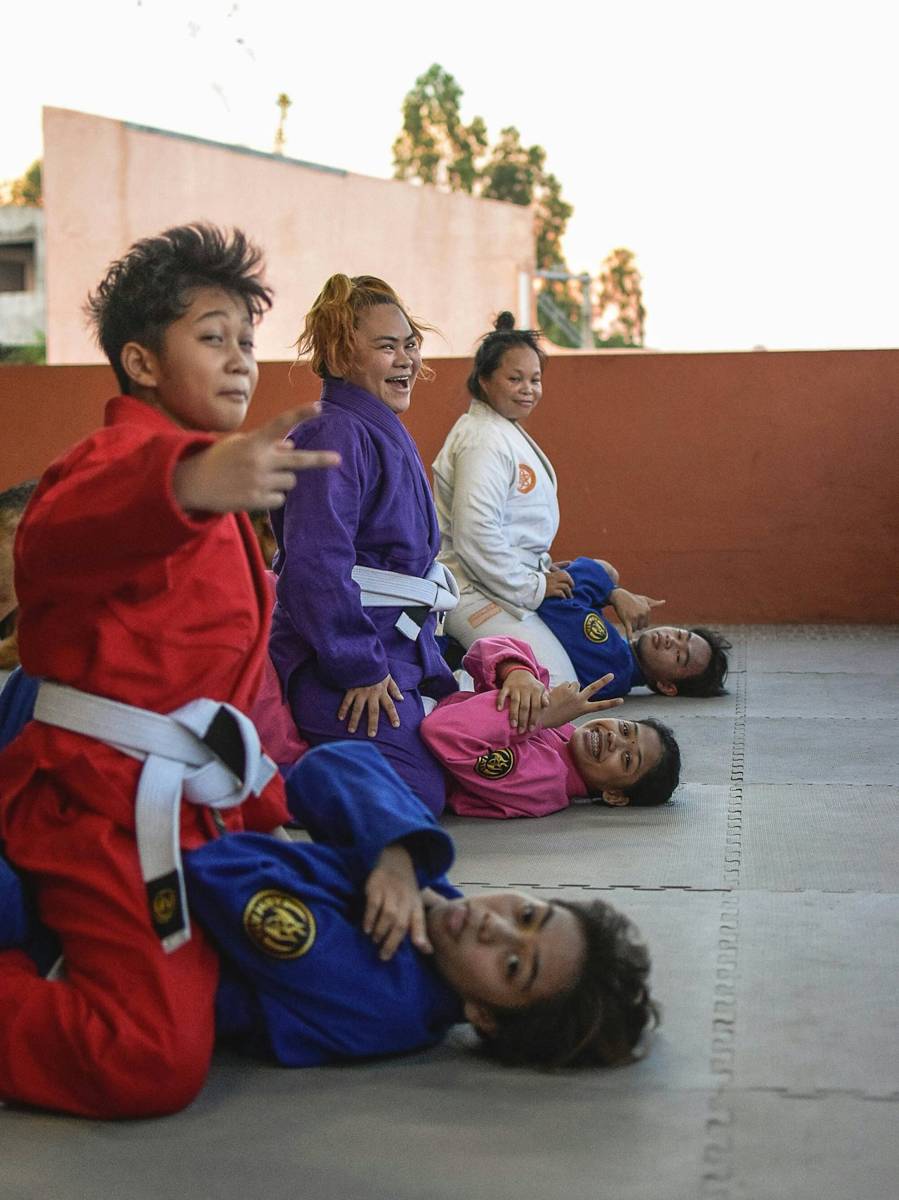 Your childSafest martial art for kids: injury risk and head contact by styleWhich martial arts are safest for children? Common injuries in each style, head contact and concussion risk, how kids' rules protect young athletes, and the safety questions to ask any school.
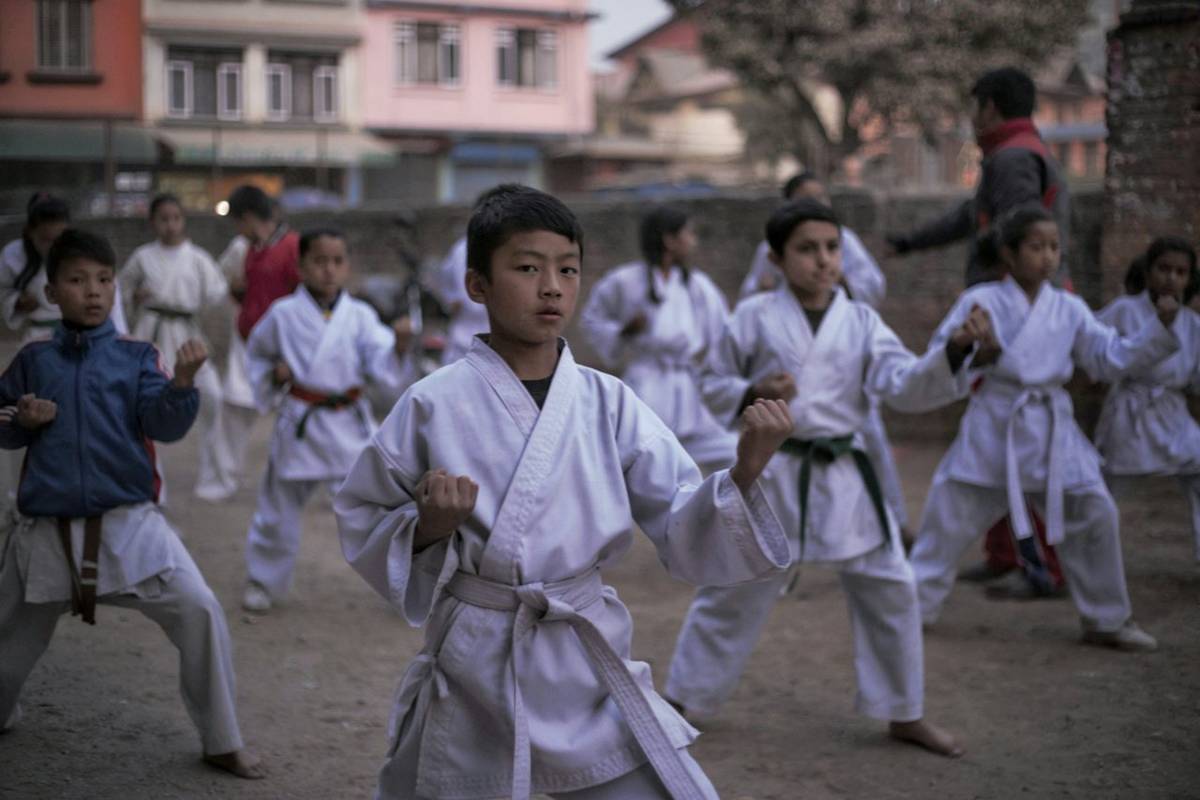 Choosing a styleBest martial art for kids: an honest comparison for parentsTaekwondo, karate, Brazilian Jiu-Jitsu, judo, kung fu, wrestling and kickboxing compared for children: what each one teaches, starting ages, costs, safety and which kind of child each style suits.