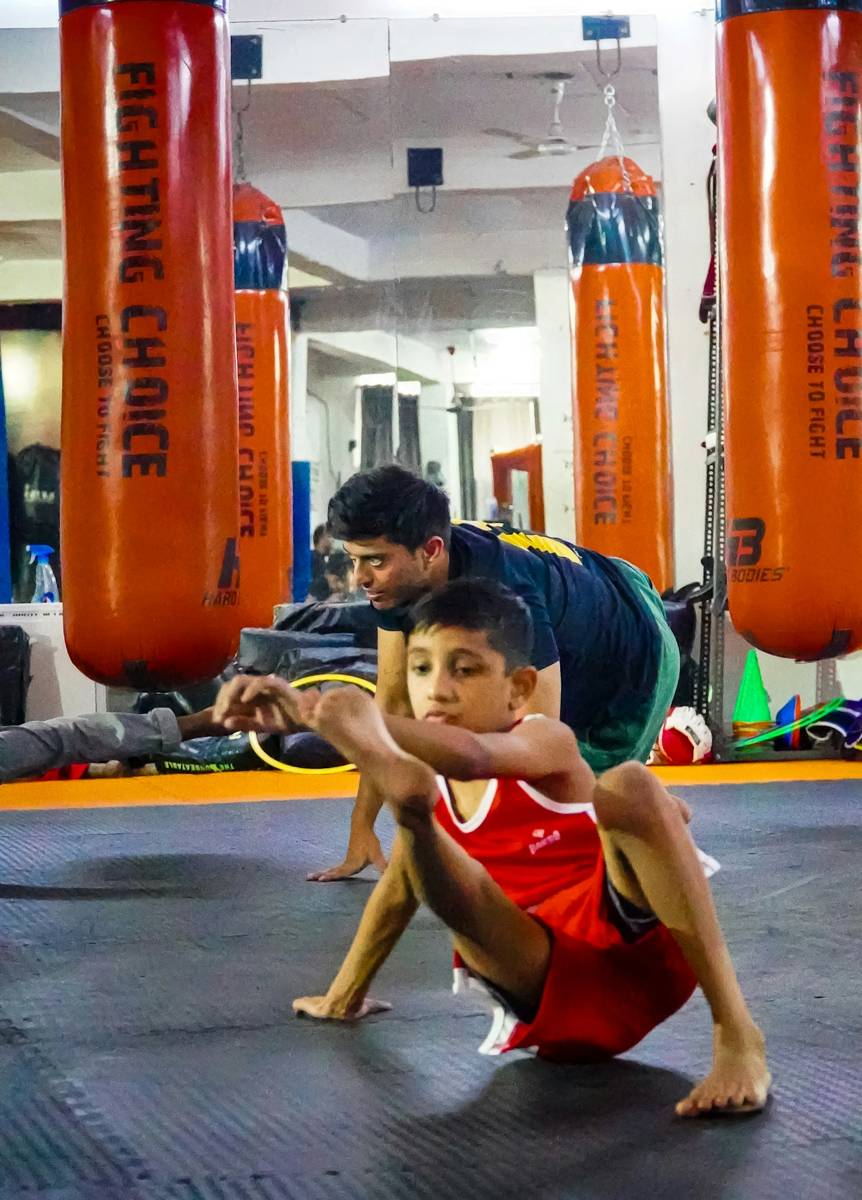
| Kids MMA | BJJ | |
|---|---|---|
| What is taught | Striking, takedowns and ground work | Ground grappling: positions, escapes, submissions |
| Head contact | Depends on the gym; ask | None |
| Depth of skill | Broad but shallower at first | Narrow but very deep |
| Belts | Some gyms use their own system | Kids' belts and stripes |
| Self-defense for children | Good if grappling is strong | Strong |
| Best starting age | Often 8+, ideally teens | About 4 to 6 |
| Typical cost | Mid to high | Often the top of the $100 to $250 range |
Pick by goal
- Child under 10BJJNo striking to the head, clear structure.
- Bullying and self-defenseBJJControl without punching keeps kids out of trouble.
- Teen with a grappling baseKids MMAAdds striking once the foundation is there.
- Wants varietyKids MMAEvery class mixes several skills.
On this page
Mixed martial arts gyms have opened in almost every American town, and many now run kids’ classes alongside their adult programs. They are usually in the same building as a Brazilian Jiu-Jitsu program, sometimes taught by the same coaches, which leaves parents asking which class their child should be in. The honest answer depends mostly on your child’s age.
For background, see our guides to kids MMA and BJJ for kids, or the comparison of all the main styles.
What happens in each class
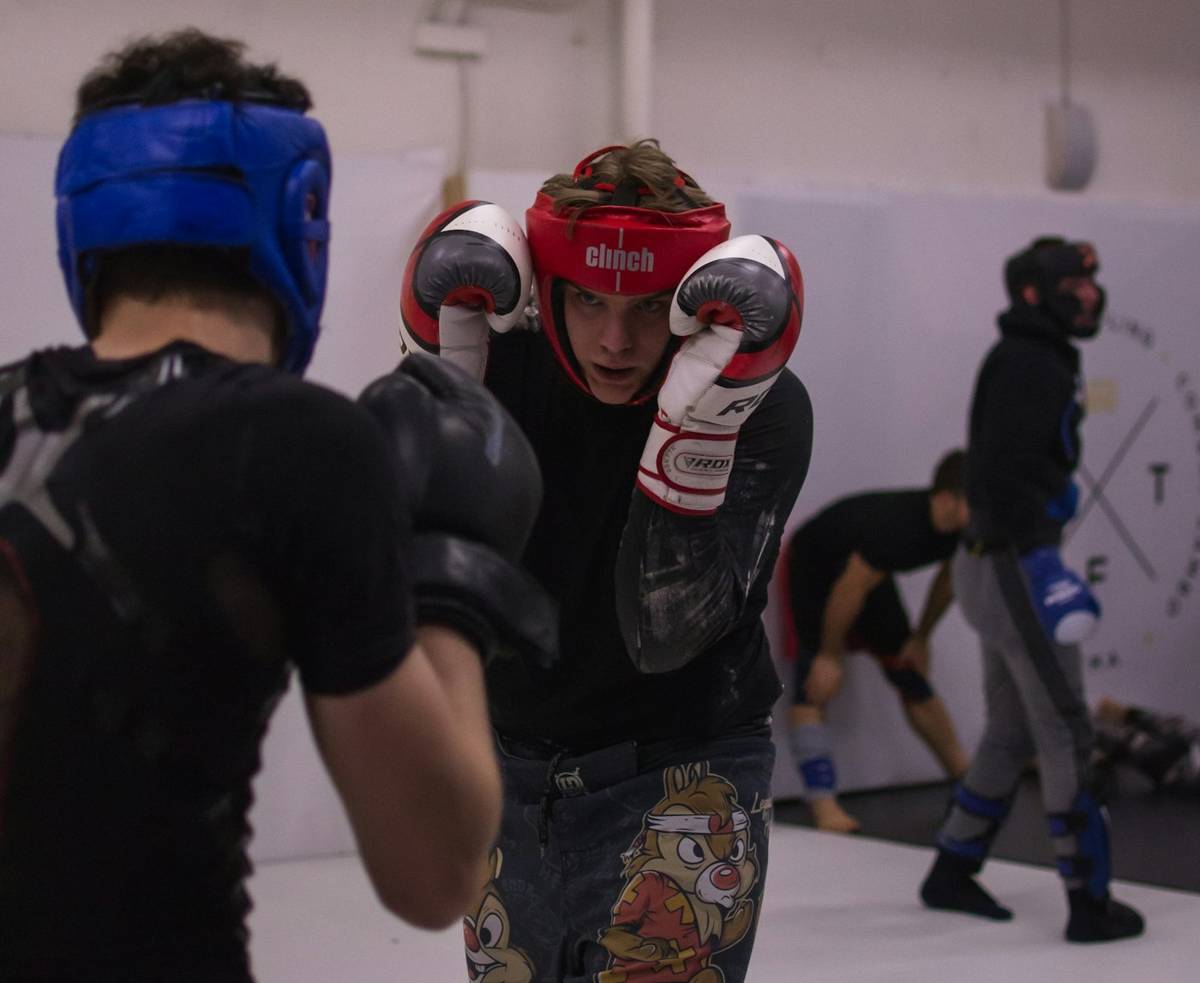
A kids MMA class typically mixes three things: striking on pads and bags, wrestling-style takedowns, and jiu-jitsu on the ground. A single session might include jab-cross combinations, a double-leg takedown drill and a few rounds of positional grappling. The variety keeps children busy and is a big part of the appeal.
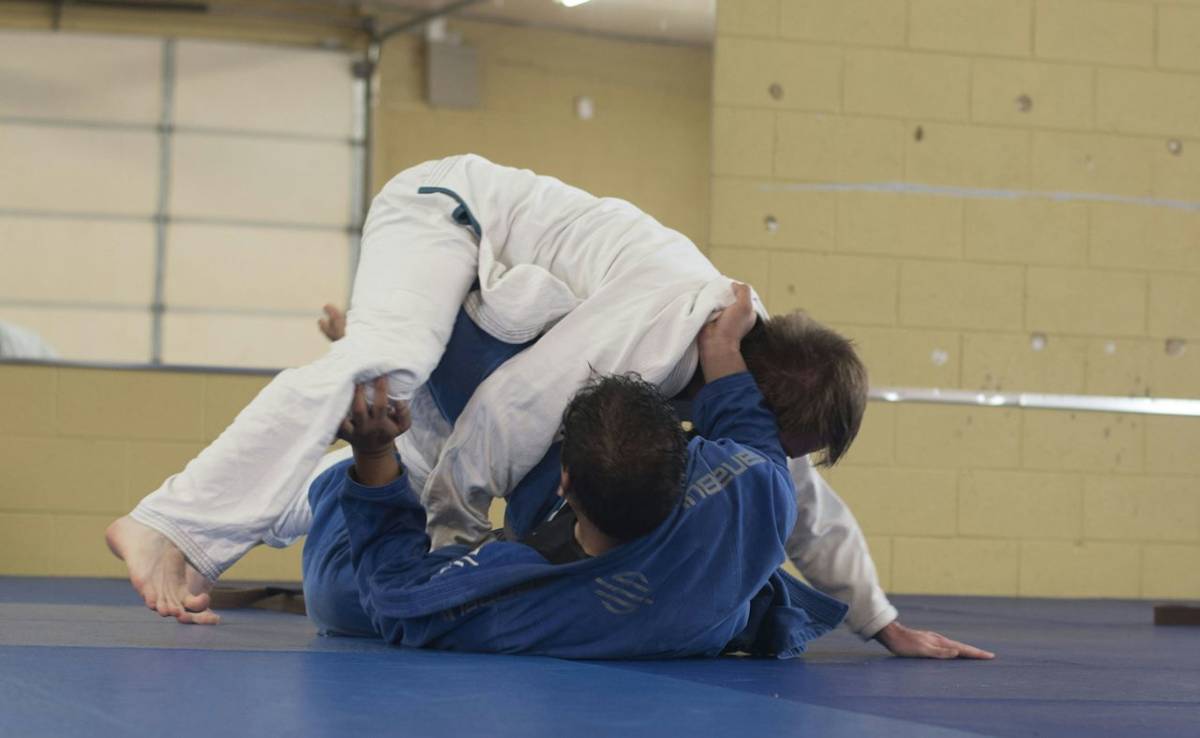
A kids BJJ class focuses on one thing: grappling. Children warm up with movement drills, learn a technique or two, drill them with a partner and finish with live rolling, controlled wrestling against a resisting partner. There are no punches or kicks. Over months and years, the depth of skill becomes remarkable.
Striking and head contact
This is the most important difference. BJJ involves no strikes at all, so there is no head contact beyond the occasional bump. Kids MMA includes striking, and how it is handled varies enormously from gym to gym. In the best programs, children strike only pads and bags, and any sparring is light, technical and body-only. In others, children may spar with strikes to the head, which many pediatric experts advise against for growing brains.
Before signing up for kids MMA, ask exactly what sparring looks like at your child’s age, whether strikes to the head are allowed, and who supervises it. A good coach will have a clear, cautious answer.
Self-defense
For children, the most useful self-defense skills are usually grappling skills: staying on your feet, getting out from under someone and holding them down without hurting them. A child who punches a classmate tends to end up in more trouble than the child who started it. That is why BJJ is so often recommended for bullied children. A good kids MMA program includes plenty of grappling too, so it can offer the same benefit, but its striking component adds little for young children and some risk.
Structure and progress
BJJ has a clear kids’ belt system with stripes, which gives children goals and a sense of progress. Our BJJ belts guide explains it. Kids MMA has no standard belt system; some gyms invent their own, others have none. Children who like structure often settle better in BJJ.
When MMA makes sense
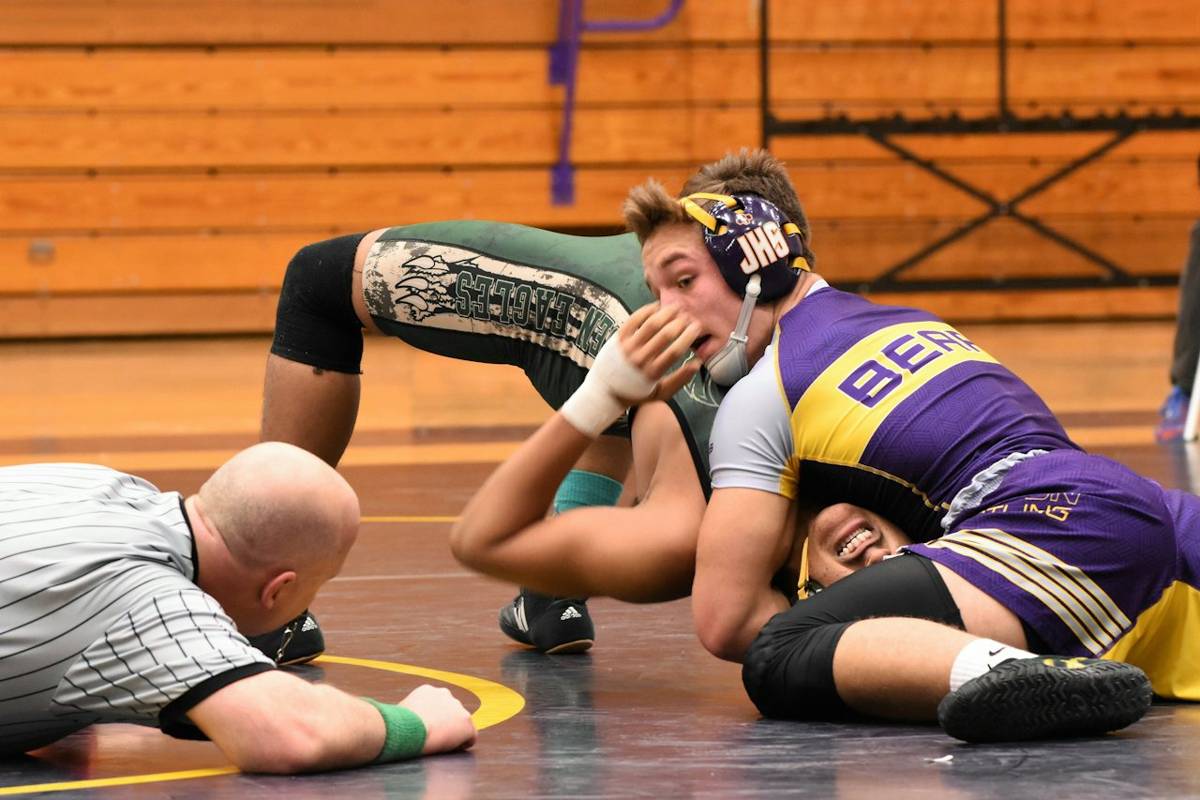
Kids MMA works best for older children and teenagers, especially those who already have a base in BJJ, wrestling, boxing or Muay Thai. At that point, combining skills is genuinely useful and fun, and teens can handle the striking component more safely. For a younger child, starting with BJJ or wrestling and adding striking later is the path most experienced coaches recommend.
Which should your child choose?
For most children under about 12, choose BJJ: it is safer, more structured and teaches the self-defense skills that matter most at that age. Consider kids MMA for a teenager, or for a younger child only if the gym keeps striking to pads and bags and you have watched a class. Either way, our quiz and a trial class will tell you more than any article.
Questions parents and students ask
Is MMA safe for kids?
It can be, in a well-run class built around drills and controlled grappling, with no hard strikes to the head. The problem is that kids MMA is not standardized, so quality and contact rules vary a lot. Watch a class and ask exactly what sparring looks like for your child's age.
What age should a child start MMA?
Many gyms take children from about 8, but most coaches suggest building a base in one art first, usually BJJ or wrestling, and adding striking in the early teens. Younger children benefit more from the structure of a single art.
Does BJJ teach striking?
Not in children's classes. Some academies teach self-defense techniques that deal with strikes, but sport BJJ, which is what most kids' programs teach, has no punches or kicks at all.