| Karate | BJJ | |
|---|---|---|
| Type | Striking: punches, kicks, blocks | Grappling: pins, escapes and holds on the ground |
| Live practice | Point sparring after a few belts | Controlled wrestling (rolling) almost every class |
| Self-defense | Depends a lot on the school | Strong; control without striking |
| Belts | Many colors, testing fees common | Kids' belts with stripes, slower, rarely test fees |
| Uniform | Karate gi | Thicker BJJ gi, or shorts and rash guard for no-gi |
| Typical cost | About $100 to $250 a month | Often at the higher end of that range |
| Best for | Kids who like routine and forms | Kids who like problem solving and contact |
Pick by goal
- Bullying and self-defenseBJJTeaches kids to control without punching.
- Discipline and focusKarateForms and etiquette reward patience.
- Kid who hates being grabbedKarateLess close contact, at least early on.
- Fewer extra feesBJJMost academies don't charge for belts.
On this page
Karate is one of the oldest and most recognisable martial arts in America, with a dojo in almost every town. Brazilian Jiu-Jitsu is the newcomer that has grown enormously over the last twenty years and now has academies nearly everywhere too. They could hardly be more different, and parents choosing between them are really choosing between two philosophies of training.
What each one teaches
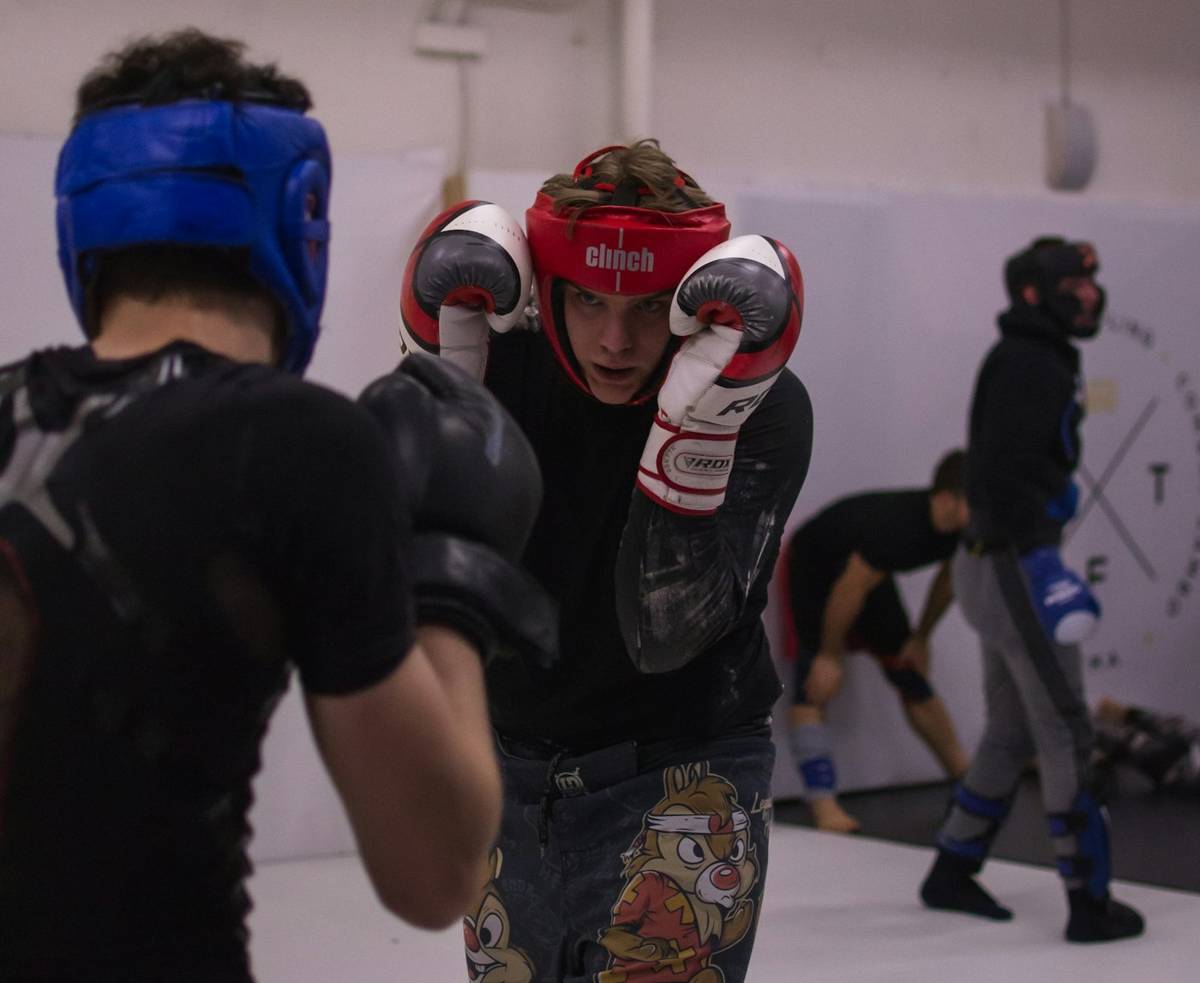
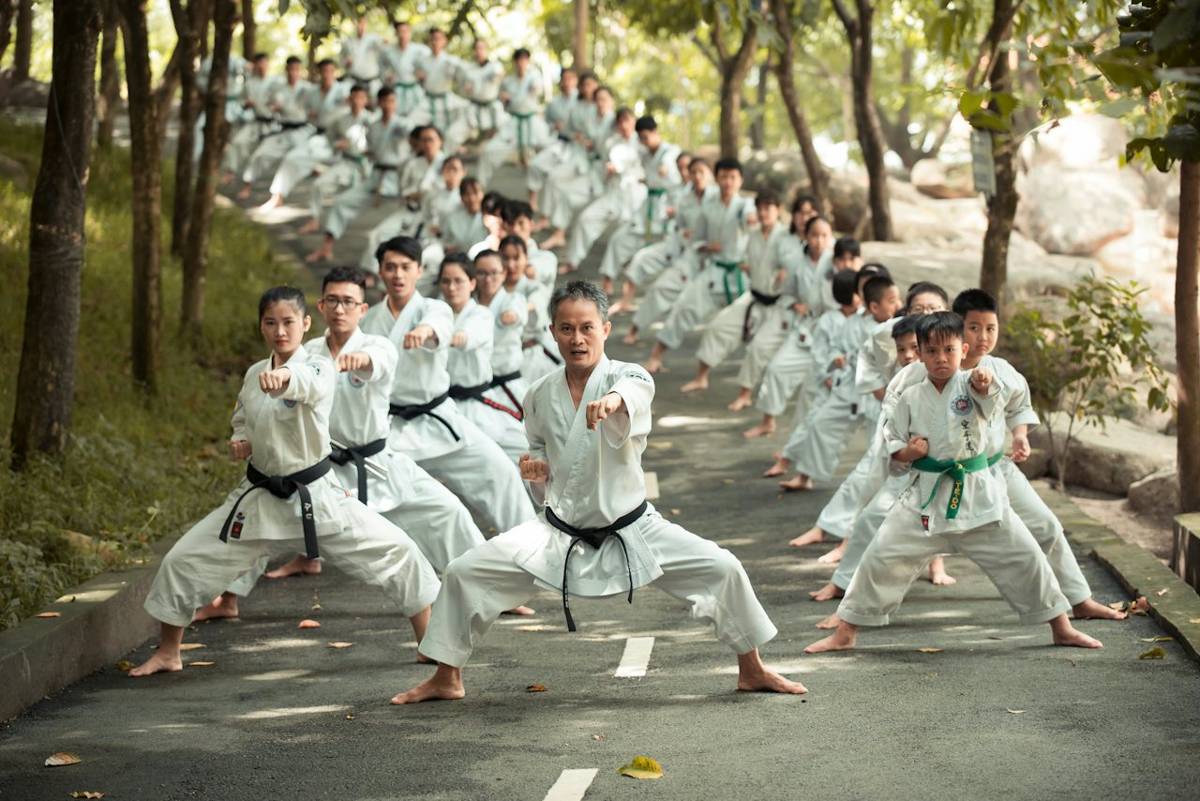
Karate is a striking art from Okinawa and Japan. Children learn stances, blocks, punches, strikes and kicks, practise them in the air (kihon), in set routines called kata and, from a certain level, in controlled sparring (kumite). Classes are usually formal, with bowing, Japanese counting and a strong focus on posture, etiquette and self-control. Read more in our karate for kids guide.
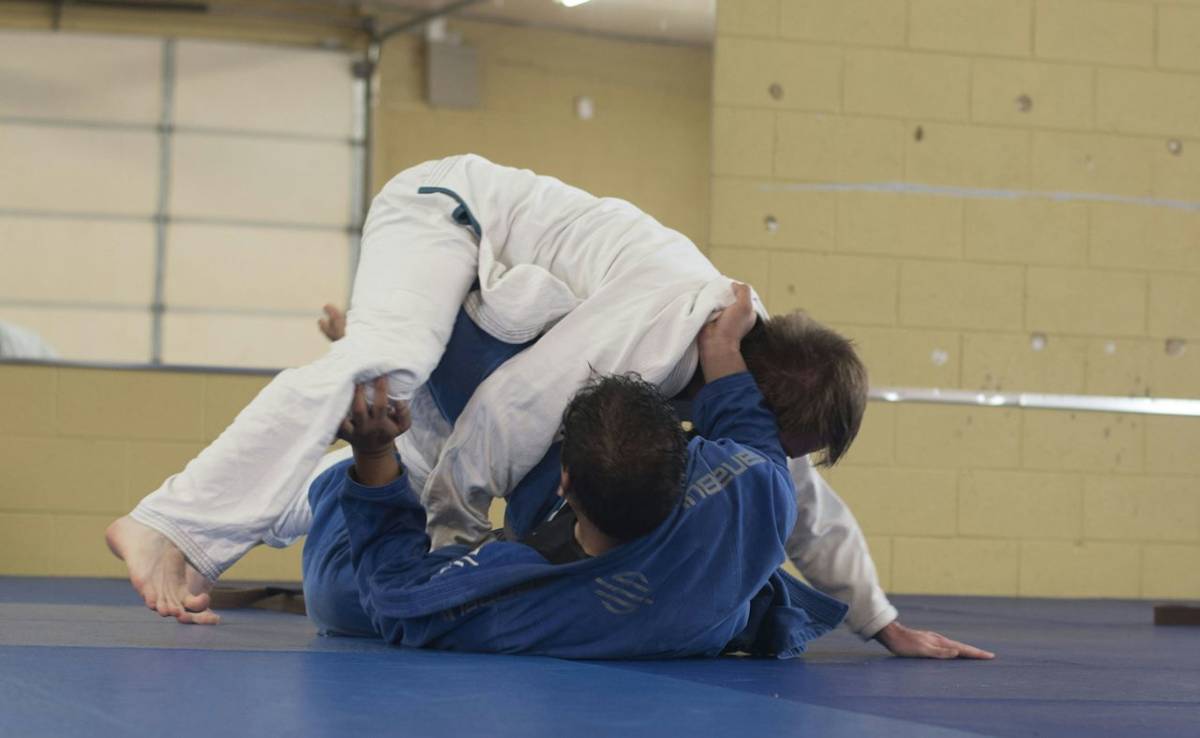
BJJ is a grappling art. Children learn to bring a partner to the ground, hold them in control, escape when they are underneath and, as they get older, use the submission holds allowed by kids’ rules. There is no striking at all. Much of each class is live sparring, called rolling. Our BJJ for kids guide explains the belts and the gi and no-gi formats.
Discipline and character
Karate’s great strength is its structure. The routines, the etiquette and the emphasis on control give children a framework that many parents find helps with focus and self-regulation, and kata practice builds patience and memory. It suits children who like knowing exactly what is expected of them.
BJJ teaches discipline differently. There is less ceremony, but children learn humility very quickly, because on the mat everyone gets pinned, and resilience, because they learn to stay calm when stuck underneath someone. Many parents notice their children becoming more confident and less reactive, precisely because they know they could handle a situation without hitting anyone.
Self-defense
For the kind of conflict children actually face, grabbing, shoving and wrestling, BJJ is usually the more practical skill set, because children practise against full resistance every class. Karate gives children strong basics and awareness, and full-contact styles such as Kyokushin produce very tough fighters, but most children’s karate sparring is light-contact point fighting. Striking another child also carries obvious risks at school. See our guide to the best martial art for bullying for more detail.
Progress and motivation
Karate schools typically test every few months and have around ten color levels below black belt, so children get frequent, visible milestones. BJJ uses stripes and a children’s belt system (white, grey, yellow, orange, green) with slower promotion. A child who needs regular rewards may prefer karate; a child who loves the challenge itself often prefers BJJ.
Safety and cost
Both are safe in a good program. In karate, ask what contact is allowed in sparring and when. In BJJ, ask how rolling is supervised and how partners are matched. Prices are similar at commercial schools, roughly $100 to $250 a month in many cities, with BJJ often at the higher end and small traditional karate clubs sometimes much cheaper. Our cost by style guide lists the extras.
How to choose
Choose karate if your child responds to calm, formal structure, enjoys routines and frequent belt goals, or you value traditional etiquette. Choose BJJ if practical, non-striking self-defense is the priority, if your child loves rough-and-tumble play, or if your child is small and you want an art where technique beats size. As always, the coach matters more than the style, so watch a class at each and see where your child lights up.
Typical ranges at reputable schools. Taekwondo and karate award junior black belts to children; judo and BJJ set minimum ages for black belt.
Questions parents and students ask
Is karate or BJJ better for kids?
Karate is better for children who thrive on formal structure, tradition and frequent belt goals. BJJ is better when practical self-defense without striking is the priority, or for children who love wrestling-style play. Both build confidence when the coaching is good.
Does karate work for self-defense?
Karate teaches useful striking, blocking and awareness, and some styles spar hard. But most children's karate sparring is light-contact point fighting, so it is less like a real scuffle than grappling practice. Good schools add grab escapes and self-defense drills.
Is BJJ too rough for young kids?
Not in a well-run kids' class. Children's rules ban dangerous techniques, classes for young children are mostly games, and good instructors pair children by size and supervise every roll.