Pick by goal
- Young childA separate kids' classNot squeezed into an adult session.
- SafetyWatch the rollingThat's where supervision shows.
- HygieneCheck mats and policiesSkin infections spread on dirty mats.
- ValueCompare what's includedClasses, open mats, promotion fees.
On this page
BJJ academies are opening everywhere, and quality ranges from outstanding to rough. A good kids’ program builds skill, confidence and friendships; a poor one can leave a child bored, scared or hurt. Here is how to tell the difference.
The kids’ program
Look for a dedicated kids’ class, ideally split by age so that five-year-olds are not mixed with twelve-year-olds. Young children need lots of games and movement; older children can handle more technique. Be cautious about academies that simply put children into adult classes.
The coach
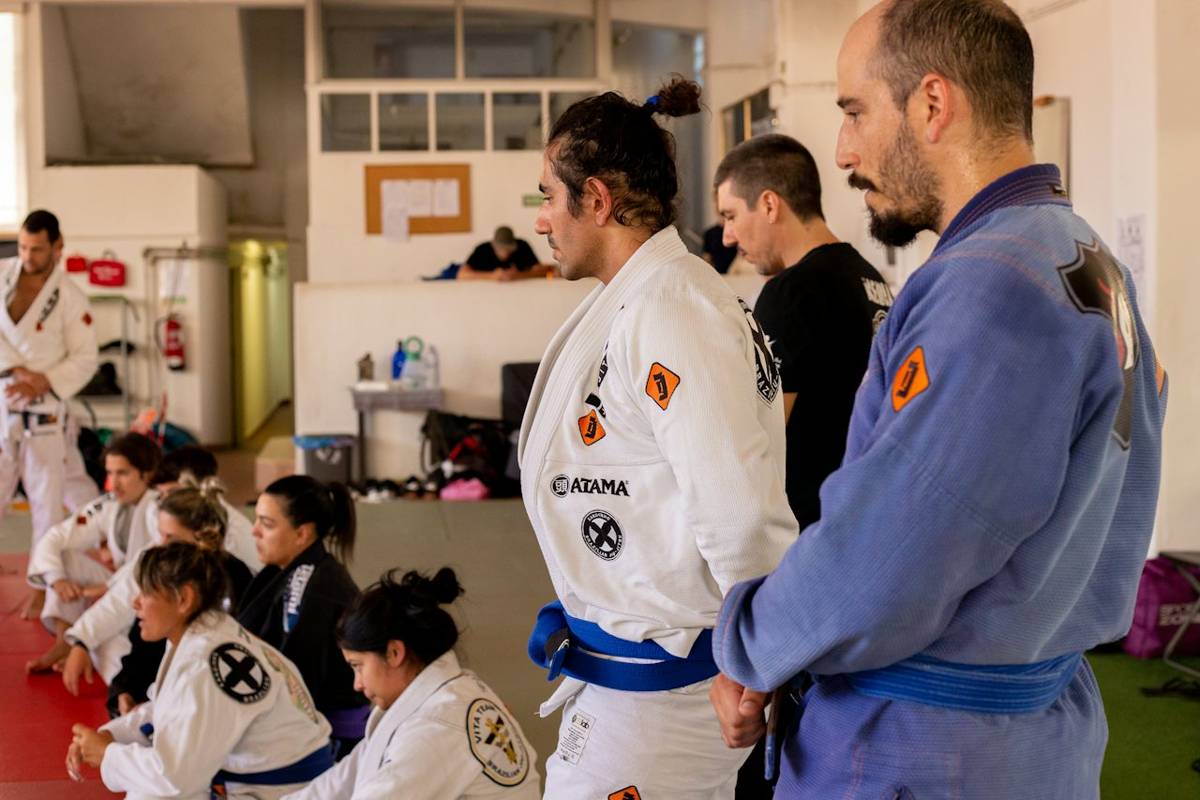
The person teaching the kids’ class matters more than the head instructor’s competition record. Watch how the coach talks to children: clear, patient and warm, with praise that is specific. They should know children’s names and keep everyone involved. Many good kids’ coaches are purple or brown belts working under a black belt; ask who promoted the head instructor and who teaches the kids’ class most weeks. Some federations keep registries of black belts.
How rolling is supervised
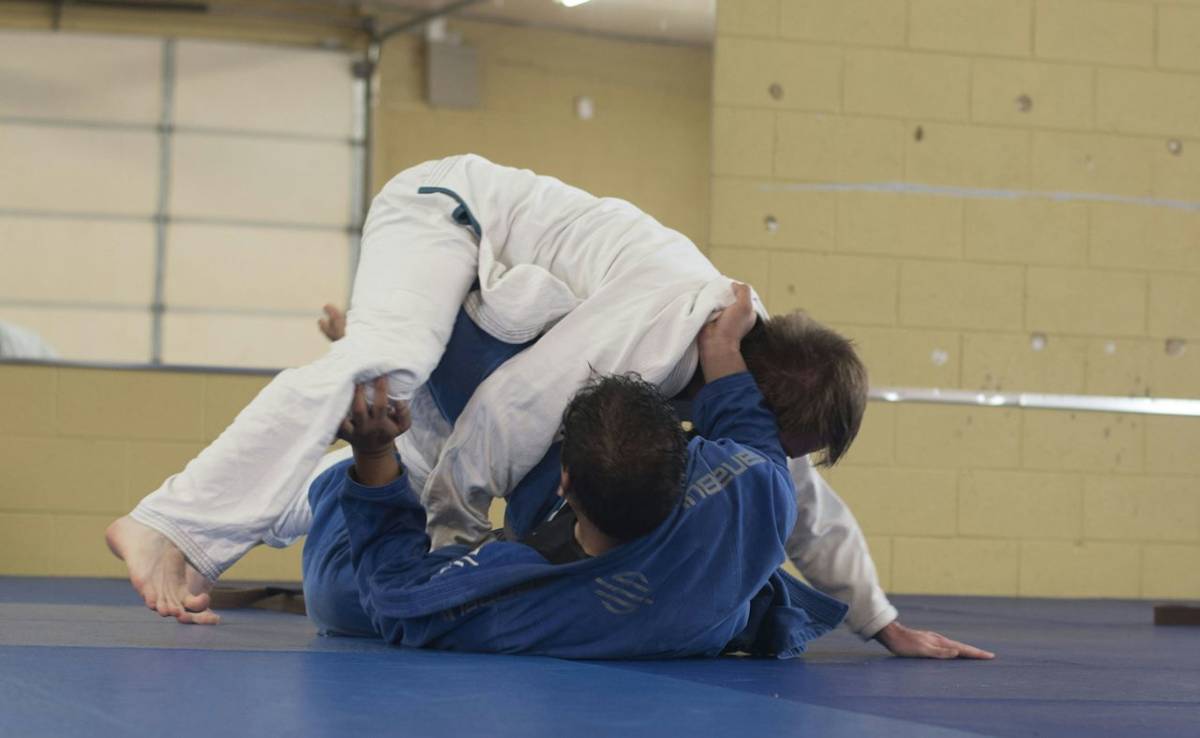
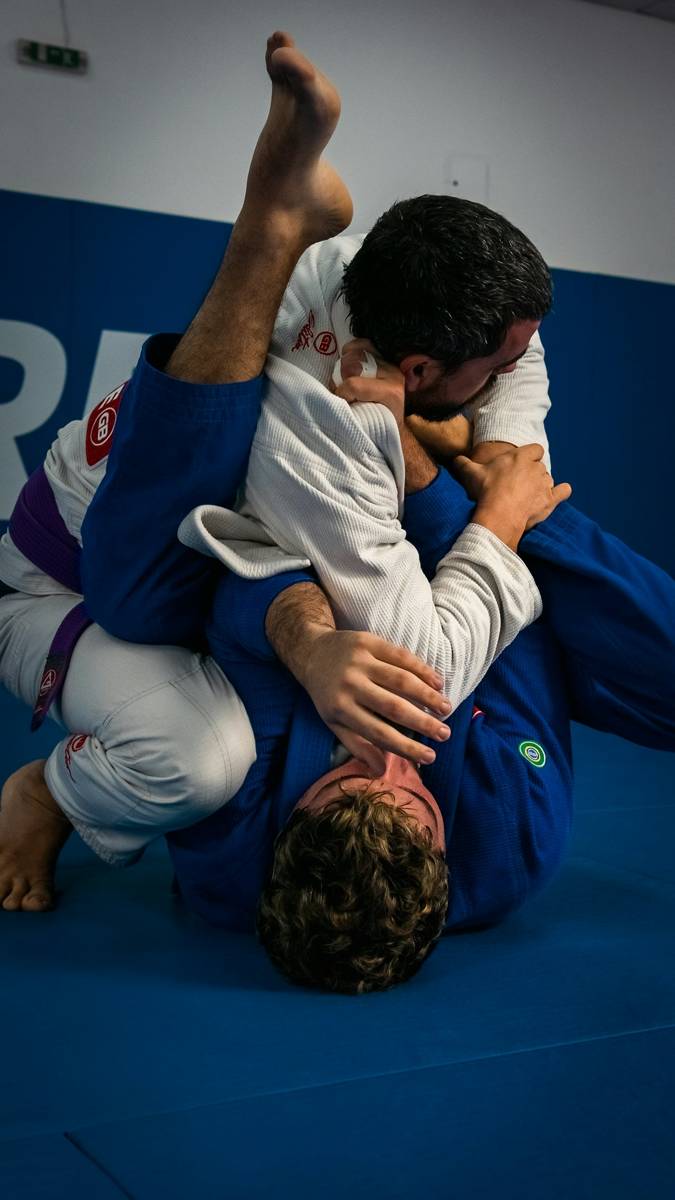
Live rolling is where safety shows. Watch the end of a class. Partners should be matched by size, age and experience, the coach should be close by and watching, and dangerous situations should be stopped at once. Children should tap early and partners should let go immediately; any child who cranks a hold should be corrected firmly. Rolling in kids’ classes is often positional, starting from set positions, which keeps it controlled.
Hygiene
Skin infections such as ringworm and staph can spread on grappling mats. Ask how often mats are cleaned, whether children must wear clean gis every class, and whether anyone with a skin problem is kept off the mats. The academy should smell clean, and there should be somewhere to wash hands and feet.
Culture
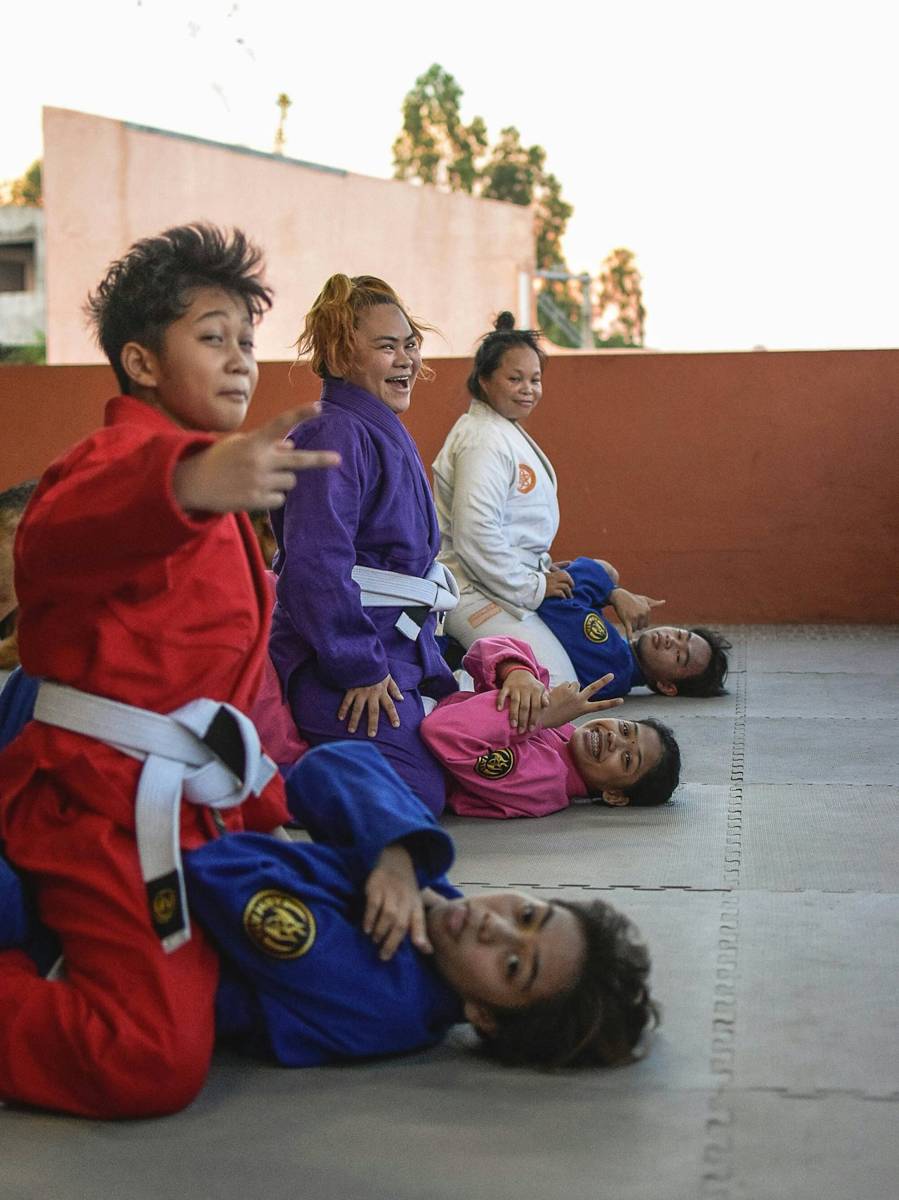
Notice the atmosphere. Do older students help younger ones? Are children encouraged rather than mocked when they lose a roll? Is the language in the room appropriate for children? A good academy feels like a team. Ask how bullying or rough behavior is handled.
Belts and promotions
Most BJJ academies promote children without a fee, and promotions are slow. Ask how promotions work, how often they happen and whether there is a curriculum. Our guide to BJJ belts for kids explains what to expect.
Pricing and contracts
Compare what is included in the membership: classes per week, gi and no-gi, open mats, and whether there are promotion fees. Ask for a trial week and a month-to-month option. Our guide to how much BJJ costs gives typical prices, and our trial class checklist has more questions to ask.
Red flags
Walk away from academies where young children roll hard without supervision, where partners are badly mismatched, where coaches are absent during rolling, where mats are dirty, or where you are pressured to sign on the spot. For more warning signs, see how to spot a McDojo.
Questions parents and students ask
Does my child's BJJ coach need to be a black belt?
Not necessarily. Many excellent kids' classes are taught by purple or brown belts under a black belt head instructor. What matters most is that the coach is good with children, supervises closely and keeps things safe.
What should a kids BJJ class look like?
A warm-up with movement drills, a technique or two taught clearly, drilling with a partner, games, and supervised positional rolling at the end. Children should be busy, smiling and partnered sensibly by size.
How do I check a BJJ coach's credentials?
Ask who promoted them and who the head instructor's teacher is. Many academies list lineage on their website. Some federations, including the IBJJF, keep a black belt registry.